

Now Reading: Everything You Need to Know About the Pressure Switch: A Complete Guide
-
01
Everything You Need to Know About the Pressure Switch: A Complete Guide

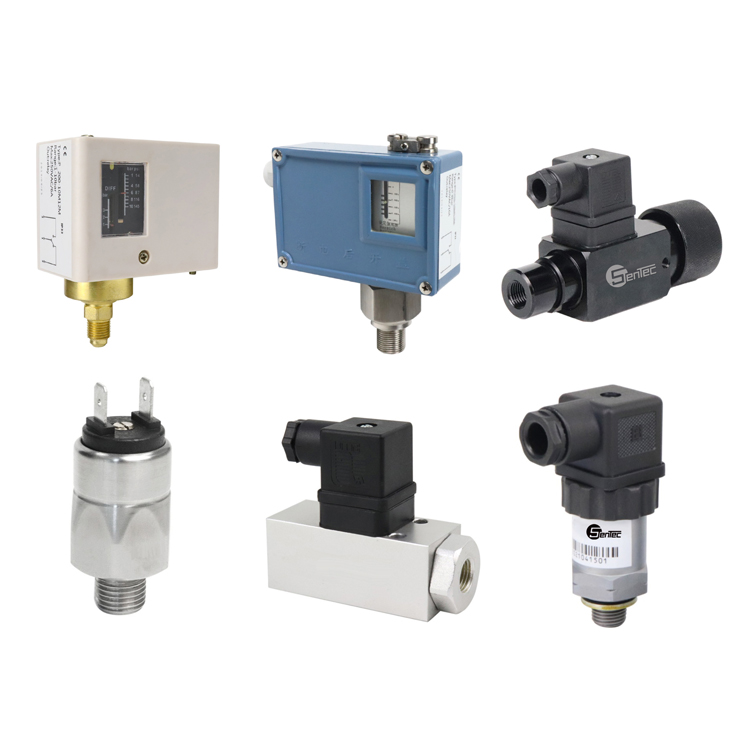
Have you ever wondered how your air compressor knows when to stop pumping air? Or how your water pump knows exactly when to kick in when you turn on the faucet? The answer usually lies in a small but mighty device known as a pressure switch. While it might look like a simple plastic box with some wires, this little component is the brain behind many machines we use every day.
In this guide, we are going to dive deep into the world of pressure switches. We will explore what they are, how they work, and why they are so important in everything from your home water system to massive industrial machines. Whether you are a DIY enthusiast looking to fix a pump or just curious about how things work, this article is for you.
Key Takeaways
- A pressure switch is a device that monitors pressure levels and turns equipment on or off based on set points.
- There are two main types: mechanical and electronic switches.
- Proper maintenance and adjustment are crucial for the longevity of your equipment.
- These switches are used in air compressors, water pumps, HVAC systems, and hydraulic machinery.
- Safety is key when working with these electrical components.
What Is a Pressure Switch?
At its core, a pressure switch is a mechanism that senses fluid pressure. When I say “fluid,” I don’t just mean water. In the world of physics and engineering, fluid can mean liquids (like water or oil) or gases (like air). The job of the switch is to open or close an electrical contact when a certain pressure level is reached. Think of it like a light switch on your wall, but instead of your finger flipping it, the invisible force of pressure does the work.
Imagine you are filling a balloon. If you keep blowing, it eventually pops. A pressure switch acts like a safeguard. It tells the air pump, “Okay, that’s enough air, turn off now,” before the balloon pops. Conversely, if the balloon gets too saggy, the switch tells the pump, “Hey, we are running low, turn back on.” This simple on-and-off action keeps systems running smoothly and safely.
These devices are incredibly versatile. You will find them in residential well pumps, ensuring you have running water for your morning shower. They are in the air conditioning unit that keeps you cool in summer. They are even in your car’s oil system, warning you if something is wrong. Without a reliable pressure switch, many of our modern conveniences would be dangerous or simply wouldn’t work automatically.
How Does a Pressure Switch Work?
Understanding the inner workings of a pressure switch is actually quite fascinating. Most mechanical switches use a diaphragm or a piston. This is a flexible material or a moving part that reacts to pressure changes. When the pressure of the liquid or gas increases, it pushes against this diaphragm.
As the pressure builds up, it pushes against a calibrated spring. When the force of the pressure overcomes the resistance of the spring, it snaps the electrical contacts open or closed. This is the “click” sound you might hear if you stand near a water pump when it turns on or off. This mechanical movement breaks or completes the electrical circuit, stopping or starting the motor connected to it.
There are two critical settings you need to know about: the cut-in pressure and the cut-out pressure. The cut-in pressure is the low point where the switch turns the machine on. The cut-out pressure is the high point where the switch turns the machine off. The difference between these two points is often called the “differential.” Adjusting these settings allows you to customize exactly how your system performs.
Key Components of a Standard Switch
|
Component |
Function |
|---|---|
|
Diaphragm |
The sensing element that moves with pressure changes. |
|
Spring |
Provides resistance against the pressure; determines the set points. |
|
Contacts |
The electrical parts that open or close to control the motor. |
|
Adjustment Screw |
Allows the user to change the cut-in and cut-out pressure. |
|
Unloader Valve |
Releases trapped pressure to make restarting the motor easier (common in compressors). |
Types of Pressure Switches
Not all switches are created equal. Depending on the job they need to do, the design of the pressure switch can vary significantly. The most common division is between mechanical (electromechanical) and electronic (solid-state) switches.
Mechanical Pressure Switches
These are the most common types found in homes and small workshops. They rely on physical parts—springs, levers, and diaphragms—to work. They are generally robust, affordable, and easy to repair. Because they are simple, they can handle high electrical loads directly without needing extra fancy controllers. However, because they have moving parts, they can wear out over time due to friction and metal fatigue.
Electronic Pressure Switches
These are the high-tech cousins. Instead of springs, they use electronic sensors (like strain gauges) to measure pressure. They are incredibly accurate and don’t have moving parts that wear out as quickly. They often have digital displays showing you the exact pressure reading. You will typically see these in high-precision industrial environments where even a tiny variance in pressure could ruin a product. They usually require a separate power source and are more expensive than mechanical versions.
Comparison Table: Mechanical vs. Electronic
|
Feature |
Mechanical Switch |
Electronic Switch |
|---|---|---|
|
Accuracy |
Good |
Excellent |
|
Durability |
High (but parts wear) |
Very High (no moving parts) |
|
Cost |
Low |
High |
|
Display |
Usually none |
Digital readout |
|
Setup |
Screwdriver adjustment |
Button programming |
Common Applications for a Pressure Switch
You might be surprised at how often you encounter a pressure switch without realizing it. They are the unsung heroes of automation. Let’s look at some of the most common places where these devices are hard at work.
Water Well Systems
If you live in a rural area and rely on a well, you definitely have a pressure switch. It sits on the line between your well pump and your pressure tank. When you open a tap and water flows out, the pressure in the tank drops. Once it hits the cut-in point (usually 30 or 40 psi), the switch snaps the pump on to refill the tank. This ensures you have consistent water pressure without the pump running 24/7.
Air Compressors
In garages and workshops, air compressors are vital tools. A pressure switch on a compressor ensures the tank doesn’t explode from too much air. It turns the compressor motor off when the tank is full (cut-out) and turns it back on when you’ve used up enough air (cut-in) to power your impact wrench or spray gun. This cycling saves energy and protects the motor.
HVAC and Refrigeration
Your air conditioner uses refrigerant gas that changes pressure as it cools your home. Switches here act as safety devices. A high-pressure switch will shut the system down if the pressure gets dangerously high (which could damage the compressor), while a low-pressure switch might stop it if there is a leak, preventing the system from running dry and burning out.
How to Adjust a Pressure Switch
Adjusting a pressure switch can seem intimidating, but it is a straightforward process if you follow safety rules. Always turn off the power before touching the switch mechanism. You are dealing with electricity and water or air, which requires caution.
Most standard switches (like the ones on water pumps) have two springs inside, typically covered by a grey or black plastic cover. You will see a large spring and a small spring. The large spring controls both the cut-in and cut-out pressure simultaneously. If you tighten the nut on the large spring, you raise both the start and stop pressures.
The smaller spring controls the differential—the gap between the start and stop points. Tightening this usually raises the cut-out pressure only, widening the gap. It is crucial to make small adjustments. A seemingly tiny turn of the nut can change the pressure by several PSI. Always test the system after every adjustment by running water or air and watching the pressure gauge.
Step-by-Step Adjustment Guide
- Disconnect Power: Safety first! Flip the breaker.
- Drain the System: Open a faucet to relieve pressure.
- Remove Cover: Take off the plastic housing of the switch.
- Adjust Large Nut: Turn clockwise to increase overall pressure.
- Adjust Small Nut: Turn clockwise to increase the cut-out point (if needed).
- Replace Cover & Test: Turn power back on and watch the gauge as the pump cycles.
Signs Your Pressure Switch is Failing
Like any mechanical part, a pressure switch won’t last forever. Recognizing the signs of failure can save you from being stuck without water or air. One of the most common symptoms is “short cycling.” This is when your pump or compressor turns on and off rapidly, click-click-click. This is bad for the motor and usually means the switch is faulty or the pressure tank has an issue.
Another sign is the system failing to turn on at all. You might tap on the switch housing and suddenly it kicks on. This indicates that the contact points inside are likely pitted or corroded. Over time, the electrical spark that jumps across the contacts creates carbon buildup, preventing a good connection.
Conversely, the switch might fail to turn off. This is dangerous. If your pump keeps running, it can build up immense pressure, potentially bursting pipes or damaging the pump itself. This often happens if the sensing port is clogged with debris or sediment, preventing the switch from “feeling” the true pressure.
Troubleshooting Common Issues
Before you rush out to buy a new pressure switch, try some basic troubleshooting. Sometimes the issue is simple and easy to fix.
Check for Debris
The small tube or nipple connecting the switch to the pipe can get clogged with rust, dirt, or sediment. This is very common in water well systems. If the switch can’t sense the water pressure because of a clog, it won’t react. Turn off the power, remove the switch, and check the tubing. A quick clean with a wire or compressed air might solve the problem.
Inspect the Contacts
Open the cover (power off!) and look at the metal contact points. Are they burnt, black, or melted? If they are slightly dirty, you might be able to clean them with fine sandpaper or a nail file. However, if they are deeply pitted or damaged, cleaning is only a temporary fix. It is safer and more reliable to replace the entire unit.
Verify Pressure Gauge Accuracy
Sometimes the switch is working perfectly, but your pressure gauge is lying to you. If the gauge is stuck or broken, you might think the pressure is wrong and adjust the switch unnecessarily. Tap the gauge lightly; if the needle jumps around or doesn’t move when the system drains, replace the gauge first.
Choosing the Right Replacement
If you determine that your pressure switch is indeed dead, you need to buy the right replacement. You cannot just grab any random switch off the shelf.
First, check the pressure range. A switch designed for a water pump (typically 30/50 or 40/60 psi) is very different from one designed for a high-pressure hydraulic system. Look at the label on your old switch or inside the cover for the operating range.
Second, check the electrical rating. Ensure the new switch can handle the voltage (110V vs. 220V) and the amperage of your motor. Using a switch that is too small for a powerful motor will cause the contacts to burn out almost immediately.
Lastly, check the connection type. Does it screw on with a 1/4 inch pipe thread? Does it have a “low pressure cutoff” lever on the side? Match the physical features of the new unit to the old one to ensure installation is a breeze.
Installation Safety Tips
Working with a pressure switch involves mixing electricity with plumbing, which inherently carries risks. Here are some critical safety tips to keep in mind.
- Never work on a live circuit. Always use a voltage tester to confirm the power is off.
- Wrap thread seal tape (Teflon tape) on the pipe threads to prevent leaks, but don’t over-tighten the plastic housing, as it can crack.
- Inspect wires for fraying or damage. If the wires leading to the switch are brittle, trim them back to fresh copper.
- Ground the switch properly. There should be a green screw for the ground wire. This is a vital safety feature that prevents the metal casing from becoming electrified if a wire comes loose.
Maintenance for Longevity
A little care goes a long way. While a pressure switch is generally low maintenance, checking it once a year is a good habit.
Keep the area around the switch dry and clean. In humid basements or outdoor sheds, moisture can corrode the internal springs and contacts. If you see bugs or spider webs inside the cover, clean them out carefully. Insects love the warmth of the electrical contacts and can actually cause the switch to short out.
For water systems, flushing your pressure tank periodically to remove sediment helps the switch too. Less sediment in the water means less chance of the sensing port getting clogged. Regular system checks help you catch small problems before they turn into expensive emergency repairs.
The Future of Pressure Sensing
As technology advances, the humble mechanical pressure switch is getting smarter. We are seeing more integration with smart home systems. Imagine getting a notification on your phone if your well pump is running too long or if your water pressure drops unexpectedly.
Smart controllers can now monitor not just pressure, but also motor temperature and electrical usage. They can shut down a system to prevent damage before a catastrophic failure occurs. While these systems are currently more expensive, they offer peace of mind and diagnostics that a simple mechanical spring cannot match. We can expect to see more hybrid systems that combine the reliability of mechanical switching with the intelligence of digital monitoring.
Understanding Differential Pressure Switches
There is a special type of device called a differential pressure switch. Instead of measuring pressure against the atmosphere (like a tire gauge), it measures the difference in pressure between two points.
These are commonly used in HVAC systems to monitor air filters. One tube goes before the filter, and one goes after. As the filter gets dirty and clogged, the pressure drops more significantly across it. The switch senses this increased difference and can trigger a “Check Filter” light on your thermostat. This clever application ensures your system runs efficiently and you only change filters when they actually need it.
Common Use Cases for Differential Switches
- Filter Monitoring: Alerting when filters are clogged.
- Flow Verification: Confirming that a pump is actually moving liquid.
- Level Control: Measuring liquid levels in sealed tanks.
Pressure Switches in the Automotive Industry
Your car is full of sensors, and the pressure switch plays a big role here too. The most critical one is likely the oil pressure switch. If your engine loses oil pressure, the metal parts will grind against each other and destroy the engine in seconds. The switch lights up the oil can symbol on your dashboard the moment pressure drops, giving you a chance to shut off the engine and save it.
Another common one is in the braking system. The brake light switch is often activated by hydraulic pressure. When you press the pedal, pressure builds, triggering the switch to turn on your rear brake lights. It’s a simple safety feature that relies entirely on pressure sensing.
Why Quality Matters
It might be tempting to buy the cheapest pressure switch you can find online, especially if it looks identical to the branded one. However, quality materials matter.
Cheaper switches often use thinner copper for contacts, which burns out faster. The diaphragms might be made of lower-grade rubber that becomes brittle and cracks sooner. When a $20 part controls a $2,000 system (like a well pump or compressor), it is worth spending a little extra for a reputable brand. Brands like Square D, Danfoss, or Honeywell have established track records for reliability. Investing in quality ensures you aren’t waking up to a flooded basement or a burnt-out motor.
DIY vs. Professional Help
Should you replace a pressure switch yourself? For many homeowners, it is a manageable DIY project. If you are comfortable using a screwdriver, a wrench, and understand basic electrical safety, you can likely do it in under an hour.
However, if you are unsure about the wiring, or if the system is complex (like a commercial HVAC unit), it is better to call a pro. A professional plumber or electrician can diagnose if the problem is truly the switch or something deeper, like a failing pump or a waterlogged pressure tank. Sometimes what looks like a switch problem is actually a symptom of a bigger issue.
Conclusion
The pressure switch is truly a marvel of engineering simplicity. It is the silent sentry standing guard over our water, air, and heating systems. Understanding how it works empowers you to maintain your home better and troubleshoot issues when they arise.
Whether you are adjusting the cut-in pressure on your well pump or just learning how your air compressor functions, knowledge is power. Remember to prioritize safety, choose quality parts, and perform regular maintenance. By taking care of these small components, you ensure the reliability and longevity of your most important machines.
For more insights on home maintenance and smart technology, be sure to check out our other guides at Forbes Planet. We cover a wide range of topics to help you manage your home and lifestyle effectively.
If you are interested in the deeper technical history and physics behind pressure measurement, you can find a link from Wikipedia related to this keyword “pressure switch” and read more about the evolution of pressure sensors and switches.
Frequently Asked Questions (FAQ)
Q: Can I repair a broken pressure switch?
A: Generally, no. While you can clean the contacts or clear the sensing port, if the springs are weak or the diaphragm is ruptured, the switch is not serviceable. It is safer and more cost-effective to replace the whole unit.
Q: Why does my pressure switch click on and off rapidly?
A: This is called “short cycling.” It is usually caused by a waterlogged pressure tank (lost its air cushion) or a clogged filter, rather than the switch itself. However, it can damage the switch quickly.
Q: What is the standard pressure setting for a well pump?
A: The two most common settings are 30/50 psi and 40/60 psi. The first number is when the pump turns on, and the second is when it turns off.
Q: How long does a pressure switch last?
A: With normal use, a good quality mechanical switch can last 10 to 15 years. However, high humidity, frequent cycling, or poor water quality can shorten this lifespan significantly.
Q: Do I need to drain the tank to change the switch?
A: Yes, absolutely. You must relieve the water or air pressure in the system before unscrewing the switch, or you will have a dangerous geyser of water or air in your face.
Stay Informed With the Latest & Most Important News
Previous Post
Next Post











Advertisement