

Now Reading: What Is a Tactical Air Support Squadron? A Complete Guide to Air Combat Control
-
01
What Is a Tactical Air Support Squadron? A Complete Guide to Air Combat Control

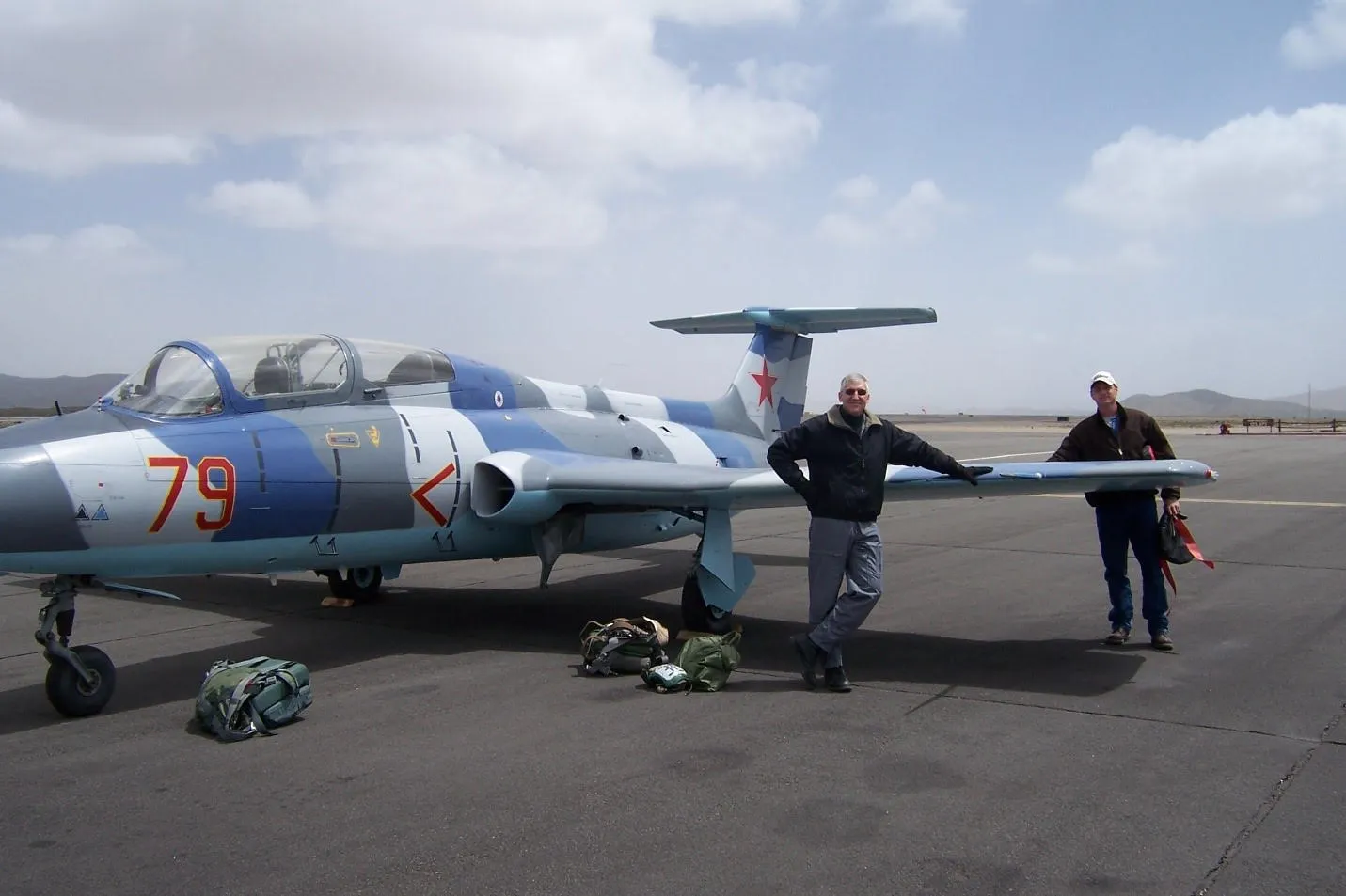
Meta Title: Understanding the Tactical Air Support Squadron Mission
Meta Description: Discover what a tactical air support squadron does, its history, and its crucial role in modern military operations. Learn more inside!
Have you ever wondered who helps fighter pilots know exactly where to drop their supplies or strike their targets while keeping troops on the ground safe? It isn’t just luck or good eyesight. It is the job of highly trained teams often found within a tactical air support squadron. These units are the vital link between the air and the ground, ensuring that air power is used effectively and safely in the heat of battle.
In this article, we are going to dive deep into what these squadrons do, the history behind them, and why they are so important to modern military success. Whether you are a military history buff or just curious about how air forces operate, we have got you covered.
Key Takeaways:
- You will learn the definition and primary mission of a tactical air support squadron.
- We will explore the history of these units from World War II to today.
- You will understand the specific roles, like Joint Terminal Attack Controllers (JTACs).
- We will break down the training and equipment used by these elite teams.
The Core Mission of a Tactical Air Support Squadron
When we talk about air support, we often picture fast jets zooming overhead. However, the organization that makes those jets effective is usually a tactical air support squadron. The primary mission of this type of squadron is to provide command and control of air power in support of ground forces. They are the eyes and ears that connect the pilot in the sky with the commander on the ground.
Without this coordination, airstrikes could be dangerous for friendly troops, or pilots might miss their targets entirely. These squadrons specialize in Close Air Support (CAS), which is air action against hostile targets that are in close proximity to friendly forces. This requires detailed integration and communication. Imagine trying to coordinate a complex dance where one partner is running on the ground and the other is flying at 500 miles per hour; that is the daily reality for these units.
Furthermore, a tactical air support squadron often trains other units. They teach pilots how to talk to ground troops and teach ground troops how to call for air support. This dual role of combat operations and training makes them indispensable. They ensure that when a real conflict arises, everyone speaks the same language and knows exactly what to do.
The History of Air Ground Coordination
Origins in World War II
The concept of coordinating air and ground forces isn’t new. It really began to take shape during World War II. Back then, radios were heavy and unreliable, but the need was clear. Commanders realized that having airplanes just flying around looking for targets wasn’t efficient. They needed a system. While they didn’t always have a designated tactical air support squadron in the modern sense, the foundation was laid by forward air controllers who flew small, slow planes to spot targets for the faster bombers.
Evolution During the Vietnam War
The Vietnam War was a major turning point. The jungle environment made it very hard for fast jets to see targets on the ground. This led to a heavy reliance on the “Forward Air Controller” (FAC). These brave pilots flew low and slow in aircraft like the O-1 Bird Dog or the OV-10 Bronco. They would mark targets with smoke rockets so the fighter-bombers could see them. It was during this era that the structure of the modern tactical air support squadron truly solidified, becoming a formalized unit dedicated to this dangerous but essential job.
Modern Warfare Changes
Today, technology has changed the game entirely. We have moved from simple smoke rockets to high-tech laser designators and digital data links. A modern tactical air support squadron uses advanced computers to send target coordinates directly to a pilot’s heads-up display. Despite the technology, the core mission remains the same: protecting the guys on the ground and ensuring the mission succeeds. The history of these units is a testament to the evolving nature of warfare and the constant need for better communication.
Understanding the Joint Terminal Attack Controller (JTAC)
One of the most critical roles associated with a tactical air support squadron is that of the Joint Terminal Attack Controller, or JTAC. A JTAC is a qualified service member who directs the action of combat aircraft engaged in close air support and other offensive air operations from a forward position. In simpler terms, they are the ones on the ground with the radio, telling the planes where to shoot.
Becoming a JTAC is incredibly difficult. It requires intense physical training and a high level of intellect. They have to memorize the capabilities of dozens of different aircraft and weapons systems. When a JTAC speaks, pilots listen. They have the authority to clear a pilot to drop a bomb, knowing that the safety of their team depends on their accuracy.
These specialists are often embedded with Army or Marine Corps units, but they report back to or are trained by an Air Force tactical air support squadron. This unique relationship highlights how different branches of the military work together. The JTAC bridges the gap between the Air Force pilot and the Army soldier, ensuring that air power is applied exactly where and when it is needed most.
Aircraft Used by Support Squadrons
|
Era |
Common Aircraft |
Primary Role |
|---|---|---|
|
Vietnam War |
O-1 Bird Dog, O-2 Skymaster, OV-10 Bronco |
Visual Reconnaissance, Target Marking |
|
Cold War |
OA-37 Dragonfly, OA-10 Thunderbolt II |
Armed Reconnaissance, Close Air Support |
|
Modern Day |
A-29 Super Tucano, AT-6 Wolverine, F-16, F-35 |
Precision Strike, Digital Integration, Training |
Historically, the aircraft flown by a tactical air support squadron were often slower and more maneuverable than the fighters they supported. This allowed them to loiter over the battlefield and keep eyes on the target for long periods. The OV-10 Bronco, for example, was a favorite for its ability to fly low and slow while carrying a variety of marking rockets and light weapons.
In modern times, the lines have blurred a bit. Some squadrons fly advanced trainers like the A-29 Super Tucano, which are turboprop aircraft that are cheap to operate but packed with sensors. Others might utilize jets like the F-16 Fighting Falcon or even the F-35 Lightning II for high-threat environments. The choice of aircraft depends on the specific mission of the tactical air support squadron, whether it is fighting insurgents in a desert or training for a major conflict against a near-peer adversary.
Regardless of the airframe, the equipment inside is what matters most. These planes are packed with radios to talk to everyone on the battlefield. They have advanced cameras and sensors to see through bad weather or darkness. The aircraft is just a tool; the real weapon is the coordination provided by the pilot and the squadron behind them.
The Role of the Tactical Air Control Party (TACP)
Who Are the TACP?
While the tactical air support squadron manages the air side, the Tactical Air Control Party (TACP) is the ground element. TACP specialists are Air Force members who align with Army combat maneuver units. They live, train, and deploy with the Army. Their job is to advise ground commanders on how best to use air power.
Relationship with the Squadron
The relationship between TACP members and the tactical air support squadron is symbiotic. The squadron provides the assets and the training standards, while the TACP executes the mission on the ground. Often, TACP members will rotate through these squadrons to serve as instructors or to maintain their qualifications. This ensures that the people on the ground calling in airstrikes understand the perspective of the pilot in the air, and vice versa. It is a seamless integration of air and ground capabilities.
Training for the Mission
Training in a tactical air support squadron is continuous and rigorous. Pilots don’t just learn how to fly; they learn how to think like a ground commander. They spend hours studying terrain, understanding ground tactics, and learning the intricacies of radio communication. A huge part of their training involves simulation, where they practice coordinating complex strikes in virtual environments before ever taking to the sky.
For the ground elements like TACP and JTACs, the training is physically demanding. They have to be able to hike miles with heavy gear, operate under fire, and still perform complex mathematical calculations to guide a bomb to a target. The squadron often facilitates large-scale exercises where ground troops and aircraft practice together. This “train like you fight” mentality is essential for survival.
Furthermore, these squadrons often host international partners. Allies from around the world come to learn how the US military conducts Close Air Support. By standardizing procedures through a tactical air support squadron, coalition forces can operate together safely and effectively. Whether it is a French pilot dropping a bomb for an American JTAC, or vice versa, the shared training makes it possible.
Technology and Equipment
The technology used by a tactical air support squadron has advanced rapidly. In the past, pilots relied on maps, binoculars, and grease pencils. Today, they use tablet computers, satellite uplinks, and full-motion video feeds. A pilot can see exactly what the ground troops are seeing through a video link, which eliminates a lot of confusion.
- ROVER Systems: Remotely Operated Video Enhanced Receiver allows ground troops to view the video feed from an aircraft’s targeting pod.
- Laser Designators: Handheld or aircraft-mounted lasers that “paint” a target for a smart bomb.
- Secure Radios: Encrypted communication systems that prevent the enemy from listening in.
- Digital Aided CAS: Software that allows coordinates to be sent digitally, reducing the chance of human error in reading numbers over the radio.
This technology saves lives. It speeds up the “kill chain,” which is the time it takes to identify a target and strike it. In a firefight, seconds count. The tactical air support squadron is constantly evaluating new gear to find anything that can give their side an advantage.
Challenges Faced by These Squadrons
Budget and Resources
Like many military units, a tactical air support squadron often faces budget constraints. Flying hours are expensive, and maintaining older aircraft or acquiring new ones costs a lot of money. Balancing the need for high-quality training with limited funds is a constant struggle for commanders.
The Complexity of Modern Battlefields
Modern warfare is messy. It often takes place in cities with civilians nearby. This makes the job of a tactical air support squadron much harder. They have to be incredibly precise to avoid collateral damage. The pressure to not make a mistake is immense. A single error can have strategic consequences, so the mental burden on these pilots and controllers is heavy.
The Human Element: Pilots and Controllers
It is easy to focus on the planes and the bombs, but the heart of a tactical air support squadron is its people. These are professionals who are dedicated to protecting their comrades. The bond between a CAS pilot and the ground troops is unique. Even though they may never meet face-to-face, the pilot feels a deep responsibility for the soldiers on the ground.
- Dedication: Long hours of study and briefing.
- Stress Management: Keeping calm while people are screaming on the radio.
- Teamwork: trusting that the person on the other end of the radio is doing their job.
Many pilots in these squadrons specifically request this mission because they want to directly help the troops. It isn’t about the glory of air-to-air combat; it is about bringing everyone home safely. This human connection drives the excellence found in every tactical air support squadron.
Why Is the Tactical Air Support Squadron Important?
Force Multiplier
A tactical air support squadron acts as a force multiplier. This means that a small group of soldiers on the ground can have the destructive power of a massive army because they can call in airstrikes. A single JTAC can direct multiple aircraft to destroy tanks, bunkers, or enemy troop concentrations.
Psychological Impact
The sound of friendly aircraft overhead provides a massive morale boost to ground troops. Knowing that a tactical air support squadron is watching over them gives soldiers the confidence to maneuver and fight. Conversely, it has a terrifying effect on the enemy. Air power is a psychological weapon as much as a physical one.
Famous Tactical Air Support Squadrons
Throughout history, several units have distinguished themselves. For instance, the 19th Tactical Air Support Squadron served with distinction in Vietnam, flying thousands of dangerous missions. More recently, squadrons like the 12th tactical air support squadron (now a Combat Training Squadron) have played pivotal roles in training the next generation of warriors.
These units build a legacy. New pilots and controllers learn about the heroes of the past and strive to live up to their standards. The patches they wear on their shoulders represent decades of sacrifice and excellence in the art of air-ground integration.
Future of Air Support
The future of the tactical air support squadron is likely to involve more unmanned systems. Drones are already doing a lot of the surveillance work. In the future, we might see AI-driven systems helping to identify targets and coordinate strikes. However, the human element will always be necessary to make the final decision on lethal force.
Additionally, as the US military pivots to focus on potential conflicts with major powers, the tactics will change. Support squadrons will have to operate in environments where the enemy has strong air defenses. This will require new tactics, stealthier aircraft, and even tighter integration with cyber and space assets.
How to Join a Tactical Air Support Squadron
For Pilots
If you want to fly in a tactical air support squadron, you generally need to become an Air Force officer first. This means going through the Air Force Academy, ROTC, or Officer Training School. Then, you must excel in pilot training and be selected for a fighter or attack aircraft track. It is a competitive path that requires excellent grades and physical fitness.
For Ground Roles
For those interested in the ground side, such as becoming a TACP or JTAC, you can enlist directly. The training pipeline is grueling, often compared to Special Forces selection. You need to be in top physical shape and have a strong mental fortitude. It is a challenging career, but one of the most rewarding in the military.
Comparison with Other Squadrons
It is important to distinguish a tactical air support squadron from a standard Fighter Squadron. A Fighter Squadron’s primary job might be to shoot down other planes (Air Superiority) or drop bombs on strategic targets deep behind enemy lines (Interdiction).
In contrast, the support squadron is focused on the “close” fight. Their mindset is different. They are service-oriented, focusing entirely on the needs of the ground commander. While a fighter pilot might focus on speed and altitude, a tactical air support pilot focuses on situational awareness and communication with the ground.
Conclusion
The tactical air support squadron plays an unsung but absolutely vital role in modern warfare. They are the glue that holds air and ground operations together. From the brave FAC pilots of Vietnam to the high-tech JTACs of today, these units have consistently proven their worth. They ensure that when a soldier calls for help, the sky answers with precision and power.
As technology evolves, so too will the methods of these squadrons, but their core mission remains timeless: protect the ground forces and ensure mission success. If you are interested in military topics and strategy, keep an eye on sites like Forbes Planet for more insights into global defense trends.
For further reading on the broader context of military aviation units, you can explore this link on Wikipedia, which provides additional historical data related to the specific keyword tactical air support squadron and its lineage.
Frequently Asked Questions (FAQ)
Q1: What is the main job of a tactical air support squadron?
A: Their main job is to coordinate air support for ground forces, ensuring airstrikes are accurate and safe for friendly troops.
Q2: Do these squadrons fly fighter jets?
A: Sometimes. They can fly anything from slow turboprop trainers like the A-29 to high-performance jets like the F-16, depending on the specific mission and threat level.
Q3: What is a JTAC?
A: A Joint Terminal Attack Controller (JTAC) is a specialist on the ground who directs combat aircraft during close air support. They often work closely with a tactical air support squadron.
Q4: How do I join a squadron like this?
A: You typically need to join the Air Force. Pilots must go through officer training and flight school, while ground specialists like TACP members go through a specific enlisted training pipeline.
Q5: Why are they called “tactical”?
A: “Tactical” refers to the scale of operations. These squadrons support specific battles and engagements on the ground, as opposed to “strategic” forces that might bomb factories or infrastructure deep in enemy territory.
Related Posts


Stay Informed With the Latest & Most Important News
Previous Post
Next Post










Advertisement