

Now Reading: Unlocking the Pearl Necklace Meaning: Symbolism, History, and Style
-
01
Unlocking the Pearl Necklace Meaning: Symbolism, History, and Style

Introduction
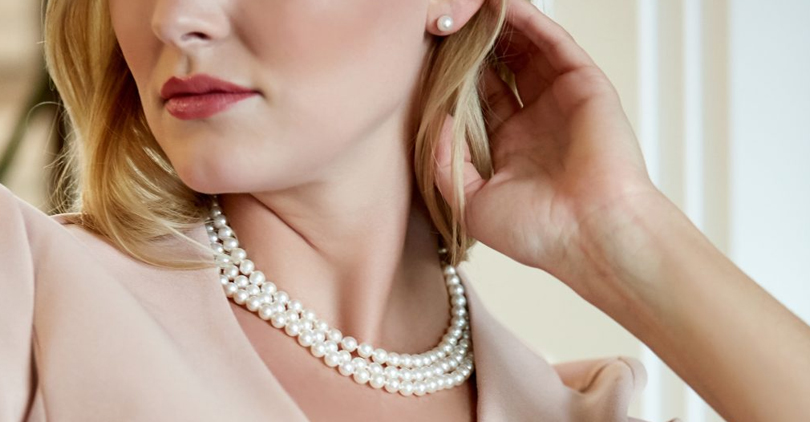
Have you ever looked at a string of pearls and wondered about the deeper story behind them? Pearls have been cherished for thousands of years, not just for their beauty but for what they represent. The pearl necklace meaning goes far beyond just being a pretty accessory. Throughout history, these gems have symbolized everything from purity and innocence to wealth and power.
Whether you received a pearl strand as a graduation gift, inherited one from your grandmother, or are thinking about buying one for yourself, understanding the symbolism makes wearing them even more special. Unlike diamonds or rubies that are mined from the earth, pearls are unique because they are created by living creatures deep in the ocean. This organic origin adds a layer of mystery and magic to their story.
In this article, we will dive deep into the fascinating world of pearls. We will explore their ancient history, their cultural significance across the globe, and how their meaning has evolved in modern fashion. You will learn why brides wear them, what different colors signify, and how to choose the perfect strand that resonates with your personal style.
Key Takeaways:
- Pearls symbolize purity, wisdom, and new beginnings.
- Different colors of pearls carry different meanings, from black for mystery to pink for romance.
- Historically, pearls were status symbols reserved for royalty.
- Today, the pearl necklace meaning has evolved to represent classic elegance and personal empowerment.
What Is the Pearl Necklace Meaning?
At its core, the pearl necklace meaning is deeply tied to the concepts of purity, innocence, and integrity. Because a pearl starts as a tiny irritant inside an oyster—usually a grain of sand—and is transformed over time into something beautiful, it is often seen as a symbol of wisdom gained through experience. Wearing a pearl necklace suggests that the wearer values honesty and loyalty.
For many people, pearls are also associated with the moon and water. Since they come from the sea and have a soft, glowing luster, ancient cultures believed they were teardrops from the moon or gifts from the gods. This connection to water gives pearls a calming energy. It is believed that wearing them can help balance emotions and bring a sense of peace to the wearer.
Furthermore, a pearl necklace often represents a connection between generations. It is one of the most common pieces of jewelry passed down as a family heirloom. When a grandmother gives her pearls to her granddaughter, the pearl necklace meaning shifts to become a symbol of love, tradition, and family bonds that withstand the test of time.
The Symbolism of Purity and Innocence
One of the most enduring associations with pearls is purity. This is largely why the white pearl necklace is a traditional gift for young women marking significant milestones, such as a sixteenth birthday, a graduation, or a debutante ball. The pristine white color and the flawless round shape represent a clean slate and a pure heart.
In many Western cultures, this symbolism is why pearls are so popular for brides. A bride wearing pearls is showcasing her integrity and loyalty as she enters into marriage. It is a tradition that dates back centuries and remains strong today. The soft glow of the pearls complements a white wedding dress perfectly, reinforcing the theme of innocence and new beginnings.
However, purity doesn’t just mean “innocence” in a naive way. It also refers to being true to oneself. The pearl necklace meaning here encourages the wearer to be authentic and genuine. Just as a natural pearl is beautiful without needing to be cut or polished like a gemstone, the wearer is encouraged to embrace their natural beauty and character.
Wealth, Status, and Power
While purity is a major theme, we cannot ignore the historical pearl necklace meaning associated with immense wealth. Before pearl culturing was invented in the early 20th century, natural pearls were incredibly rare. Finding a perfectly round, lustrous pearl was like finding a needle in a haystack. Only the ultra-rich and royalty could afford them.
In ancient Rome, pearls were the ultimate status symbol. It is said that Julius Caesar passed a law limiting the wearing of pearls only to the ruling classes. Similarly, in the Renaissance era, European queens and kings draped themselves in layers of pearls to show off their power and dominance. If you saw someone wearing a long strand of pearls in the 1600s, you knew immediately that they were a person of significant importance.
Today, while cultured pearls have made this jewelry more accessible, they still carry an air of sophistication and class. Wearing a pearl necklace to a job interview or a business meeting can subtly convey authority and professionalism. It signals that you have refined taste and appreciate quality, linking back to that historical association with status.
The History of Pearls in Fashion
The journey of the pearl through fashion history is truly remarkable. To understand the full pearl necklace meaning, we need to look at how different eras utilized this gem. From ancient civilizations to the Roaring Twenties, pearls have always found a way to be relevant.
In ancient times, pearls were often buried with the dead as a way to guide them in the afterlife or to show their status even in death. As we moved into the Middle Ages and the Renaissance, pearls became central to fashion. Clothing was often embroidered with hundreds of tiny seed pearls. The famous “Pearl Age” of the Tudor dynasty saw Queen Elizabeth I wearing magnificent strands to signify her purity as the “Virgin Queen.”
The 1920s brought a massive shift with the invention of cultured pearls by Kokichi Mikimoto. Suddenly, pearls weren’t just for queens; they were for the modern woman. Fashion icon Coco Chanel famously declared that “a woman needs ropes and ropes of pearls.” She mixed real pearls with costume jewelry, changing the pearl necklace meaning from exclusive luxury to a must-have fashion statement for the independent woman. This era solidified the pearl necklace as a timeless staple.
Ancient Myths and Legends
Every culture seems to have its own beautiful story about where pearls come from. These myths deeply influence the pearl necklace meaning we know today.
- Greek Mythology: The Greeks believed that pearls were the hardened tears of joy from the goddess of love, Aphrodite (Venus). This is why pearls are often given as romantic gifts.
- Chinese Legend: In ancient China, it was believed that pearls were formed inside the head of a dragon. To gather the pearls, one had to slay the dragon, making the gem a symbol of bravery and wisdom.
- Persian Beliefs: Ancient Persians believed that pearls were created when a rainbow met the earth after a storm. Any imperfections in the pearl were thought to be caused by thunder and lightning.
- Polynesian Tradition: In the South Pacific, the god of peace and fertility, Lono, was said to have come down on a rainbow to give pearls to Princess Pypy.
These stories add a layer of magic to the jewelry. When you wear a pearl necklace, you are wearing a gem that people once believed was touched by gods, dragons, and rainbows.
Pearls in the Victorian Era
The Victorian era (1837–1901) was a time when jewelry was full of hidden messages and sentimentality. During this period, the pearl necklace meaning was often linked to mourning, but also to deep romantic love. Queen Victoria loved pearls, and her influence set the trends for the entire world.
Seed pearls (tiny pearls) were very popular during this time. They were often used in intricate mourning jewelry to represent tears shed for a lost loved one. A locket surrounded by seed pearls might contain a lock of hair from someone who had passed away. This gave the pearl a somber but beautiful meaning of remembrance and eternal love.
On the happier side, pearls were also the preferred gift for a fiancé to give his bride-to-be. A single strand of pearls worn high on the neck (a choker style) was the height of fashion. It symbolized the intimate bond between the couple. The Victorians were very strict about etiquette, and jewelry was a way to communicate feelings that couldn’t be spoken aloud.
Types of Pearls and Their Meanings

Not all pearls are white, and not all pearls mean the same thing. The pearl necklace meaning can change drastically depending on the color and type of pearl you choose. From the classic white Akoya to the dark and mysterious Tahitian, each variety tells a different story.
Understanding these differences helps you choose the right necklace for the right occasion. For example, you might wear white pearls to a wedding but choose black pearls for a formal evening gala where you want to stand out. The variety available today means there is a pearl necklace for every personality.
Below is a helpful table breaking down the common pearl colors and their associated meanings.
Pearl Color Meanings Table
|
Pearl Color |
Associated Meaning |
Best Occasion |
|---|---|---|
|
White |
Purity, Innocence, New Beginnings |
Weddings, Graduations |
|
Black |
Mystery, Strength, Independence |
Formal Events, Statement Piece |
|
Pink |
Romance, Love, Compassion |
Anniversaries, Valentine’s Day |
|
Gold |
Wealth, Prosperity, Success |
Galas, High-end Parties |
|
Purple/Lavender |
Wisdom, Nobility, Passion |
Birthdays, Creative Events |
|
Blue |
Tranquility, Trust, Calm |
Business Meetings, Daily Wear |
|
Chocolate |
Harmony, Comfort, Healing |
Fall Fashion, Casual Elegance |
The Mystery of Black Pearls
Black pearls, often from Tahiti, have a very different vibe compared to their white counterparts. The pearl necklace meaning for black pearls is rooted in mystery, strength, and resilience. Because natural black pearls are rare, they represent something unique and extraordinary.
Legends say that Oro, the Polynesian god of peace and fertility, visited the earth on a rainbow to offer a black pearl to the princess Bora Bora. This gives the gem a romantic yet powerful origin. Today, wearing a black pearl necklace is often seen as a sign of independence. It is a bold choice for a woman who isn’t afraid to break away from tradition.
Unlike the soft, demure look of pink or white pearls, black pearls command attention. They often have overtones of green, peacock, or purple, which adds to their allure. If you want to convey that you are strong-willed, mysterious, and sophisticated, a black pearl necklace is the perfect accessory.
The Romance of Pink Pearls
If you are looking for a symbol of soft, gentle love, look no further than pink pearls. The pearl necklace meaning associated with pink pearls is centered on romance, friendship, and compassion. These pearls are naturally produced by freshwater mussels and range from a soft blush to a deep rose color.
Pink pearls are ideal gifts for a girlfriend, a new mother, or a close friend. They don’t carry the heavy “marriage” symbolism of white pearls, nor the “power” symbolism of black pearls. Instead, they feel personal and sweet. They represent a heart that is open to love and connection.
In color psychology, pink is soothing. Wearing pink pearls can remind the wearer to be kind to themselves and others. They are perfect for everyday wear because they add a warm glow to the skin tone and bring a subtle pop of color to an outfit without being overwhelming.
Why Are Pearls Associated with Tears?
There is a superstitious side to the pearl necklace meaning that suggests pearls represent tears. This belief stems from ancient times and varies across cultures. Some people believe that wearing pearls on your wedding day will bring tears to the marriage, predicting sadness and sorrow.
However, many interpret this superstition differently. Instead of causing tears, the pearls are said to replace tears. The idea is that the bride wears the pearls so that she won’t have to cry during her marriage—the pearls have already done the “weeping” for her. In this light, the pearls serve as a protective talisman against future sadness.
This association with tears likely comes from the physical shape of the pearl—a perfect droplet. Additionally, because pearls are born from the struggle of an oyster fighting an intruder, there is an inherent sadness in their creation story. But most modern pearl lovers focus on the triumph of that struggle: turning pain into beauty.
Positive vs. Negative Superstitions
While the “tears” myth is well-known, there are far more positive superstitions surrounding pearls.
- Protection: In many cultures, pearls are believed to keep the wearer safe from harm, especially while traveling over water.
- Prosperity: Keeping a pearl in your jewelry box is thought to attract wealth and prevent financial ruin.
- Health: Ancient Asian medical practices used crushed pearls in treatments, believing the gem had the power to heal the skin and cure digestive issues.
So, while the tear superstition exists, the overwhelming pearl necklace meaning leans towards protection, luck, and health.
Cultured vs. Natural Pearls: Does the Meaning Change?
A common question is whether the meaning changes if the pearls are cultured (farmed) rather than natural (wild). Natural pearls are formed by accident in the wild, while cultured pearls are started by human intervention where a farmer places a nucleus into the oyster.
The short answer is: not really. The pearl necklace meaning remains consistent because the process of formation is essentially the same. The oyster still coats the irritant in layers of nacre over several years. The resulting gem is still organic and unique.
However, natural pearls represent “rare luck” or a “miracle,” simply because they are so hard to find. Cultured pearls, which make up 99% of the market today, represent “nurtured beauty.” They symbolize the collaboration between humans and nature. Both types carry the core meanings of wisdom, purity, and elegance.
How to Tell if Your Pearls are Real
Knowing if your pearls are real adds to their significance. Real pearls, whether cultured or natural, have a specific texture. If you rub them gently against your tooth, a real pearl will feel slightly gritty or sandy. Fake pearls (made of glass or plastic) will feel perfectly smooth.
Real pearls are also imperfect. If you look closely, you might see tiny variations in shape or color. This is part of the pearl necklace meaning—embracing imperfections as part of natural beauty. Fake pearls will be identical in size and shape, which can look too uniform and “manufactured.”
Another test is weight. Real pearls are generally heavier than plastic imitations but lighter than solid glass. The weight of a real pearl necklace feels substantial around your neck, a physical reminder of the value and history you are wearing.
Modern Trends: How to Wear Pearls Today
Pearls have shed their “stuffy” reputation. They are no longer just for grandmothers or royalty. The modern pearl necklace meaning is all about versatility and individual style. Designers are mixing pearls with leather, chains, and colorful gemstones to create edgy, contemporary looks.
Today, men are also embracing pearls. From celebrities on the red carpet to streetwear fashion, the pearl necklace has become a gender-neutral accessory. For men, wearing pearls often signifies confidence and a rejection of traditional gender norms in fashion. It’s a bold statement of softness and strength combined.
Layering is another huge trend. Instead of a single strand, people are wearing messy layers of pearls of different sizes and lengths. This “more is more” approach reflects a playful attitude. It shows that pearls can be fun and not just serious formal wear.
Styling Tips for 2025
If you want to incorporate pearls into your wardrobe, here are some fresh ways to do it:
- Casual Cool: Wear a short pearl choker with a vintage t-shirt and jeans. The contrast between the fancy pearls and the casual tee looks effortlessly chic.
- Office Chic: A long rope of pearls can be worn with a blazer. You can knot the strand at the bottom to add a modern twist to a classic business look.
- Mixed Metals: Don’t be afraid to wear pearls with gold or silver chains. The mix of textures makes the outfit look curated and expensive.
- Backwards Necklace: For an evening gown with a low back, wear a long pearl necklace backward so it drapes down your spine. This is an elegant and unexpected way to show off the gems.
Occasions for Gifting Pearl Necklaces
Because of the rich pearl necklace meaning, they make exceptional gifts. They are more personal than cash and more lasting than flowers. Giving pearls is a way of saying, “I value you.”
- Weddings: As mentioned, this is the classic choice. It is traditional for the groom to give the bride pearls, or for the bride’s mother to pass down her own strand.
- Graduations: Pearls symbolize wisdom. Giving them to a graduate marks the transition from student to wise adult.
- 30th Wedding Anniversary: The 30th anniversary is known as the Pearl Anniversary. It represents a marriage that has lasted and grown beautiful over time, just like a pearl.
- Mother’s Day: Pearls represent the creation of life (the oyster creating the gem). This makes them a touching tribute to mothers.
Choosing the Right Length
The length of the necklace can actually change the vibe and even the pearl necklace meaning slightly.
- Choker (14-16 inches): Sits high on the neck. Very classic and retro. Good for formal events.
- Princess (17-19 inches): The most common length. Sits just below the collarbone. meaningful for versatility and everyday wear.
- Matinee (20-24 inches): More casual and business-appropriate. Suggests sophistication.
- Opera (28-36 inches): Very formal and dramatic. Can be worn long or doubled up.
FAQ: Common Questions About Pearl Meanings
1. What does it mean if a pearl necklace breaks?
Superstition says that a breaking necklace is actually a good sign! It is believed that the pearls have absorbed a negative energy or a “hit” that was meant for you. By breaking, they have released that energy and protected you. However, practically, it just means the silk thread has worn out and needs restringing.
2. Is it bad luck to buy yourself pearls?
Absolutely not! While pearls are wonderful gifts, buying them for yourself is a power move. It changes the pearl necklace meaning to one of self-love and independence. You are celebrating your own success and treating yourself.
3. What is the spiritual meaning of pearls?
Spiritually, pearls are connected to the “Third Eye” chakra. They are thought to open the mind to higher wisdom and truth. They are also used to calm the mind during meditation.
4. Do pearls signify tears?
As discussed, some old superstitions link pearls to tears, but many modern interpretations view them as replacing tears or protecting the wearer from sorrow.
5. Can men wear pearl necklaces?
Yes! The meaning of pearls for men has evolved to represent confidence, fashion-forward thinking, and a blend of masculine and feminine energies. It is a very popular trend right now.
Conclusion
The pearl necklace meaning is as layered as the pearl itself. From ancient myths of dragons and moon teardrops to modern symbols of empowerment and style, these gems have captured our imagination for centuries. Whether you wear them to symbolize purity, to show off your sophisticated taste, or simply because they make you feel beautiful, pearls are a timeless accessory.
They remind us that beauty can come from adversity. Just as the oyster transforms a rough grain of sand into a glowing gem, we too can grow through our challenges to become wiser and more resilient. So the next time you clasp that strand around your neck, remember the rich history and deep symbolism you are carrying with you.
If you are looking to explore more about luxury lifestyle and meaningful investments, you might find interesting articles at Forbes Planet.
Key Takeaways:
- Symbolism: Pearls primarily symbolize purity, wisdom, integrity, and calmness.
- History: Once reserved for royalty, they are now a versatile accessory for everyone.
- Colors: White implies innocence; black implies mystery; pink implies romance.
- Care: Pearls are organic and delicate; treat them with care to maintain their luster.
For further reading on the general history and biological formation of pearls, you can visit this Wikipedia page which provides additional context on the pearl necklace meaning through a scientific lens.
Stay Informed With the Latest & Most Important News
Previous Post
Next Post










Advertisement