

Now Reading: Pulsierende Signal Therapie: A New Wave in Healing?
-
01
Pulsierende Signal Therapie: A New Wave in Healing?

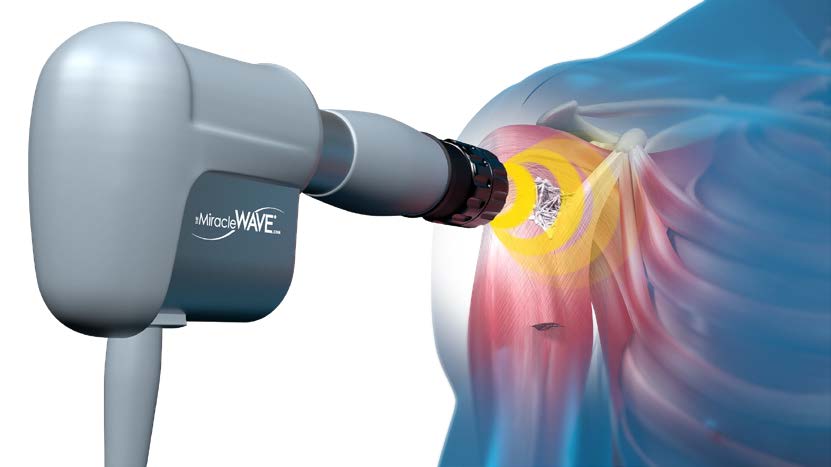
Have you ever wondered if there’s a way to help your body heal itself on a deeper level, especially when dealing with joint pain or cartilage issues? A therapy that works with your body’s natural processes is gaining attention. This approach, known as pulsierende signal therapie, aims to stimulate the body’s own regenerative abilities using specific energy signals. It’s a fascinating concept that moves beyond traditional treatments to offer a non-invasive option for those seeking relief. In this guide, we will explore what pulsierende signal therapie is, how it works, what conditions it might help, and what you can expect from a treatment session. Let’s dive into this innovative approach to wellness.
Key Takeaways
- What it is: Pulsierende signal therapie is a non-invasive treatment that uses pulsed electromagnetic fields to stimulate the body’s natural healing and regeneration processes, particularly in cartilage and connective tissues.
- How it Works: The therapy mimics the body’s own bio-signals that encourage cell repair and growth, aiming to restore damaged tissue over time.
- Primary Uses: It is most commonly used for osteoarthritis, sports injuries, and other degenerative joint conditions.
- Treatment Process: A typical course involves a series of sessions, usually nine to twelve, where the affected body part is placed within a device that delivers the pulsed signals. Each session is about an hour long.
- Safety and Feel: The treatment is considered painless and safe, with most people feeling nothing more than a slight warmth or tingling sensation.
Understanding Pulsierende Signal Therapie (PST)
At its core, pulsierende signal therapie is a form of regenerative medicine. The name, which is German, translates to “Pulsating Signal Therapy.” It is based on the principle that the body has an incredible capacity to heal itself. Sometimes, due to injury, age, or chronic conditions, these natural healing mechanisms slow down or become less effective. This is particularly true for tissues with poor blood supply, like cartilage. PST aims to give these processes a jump-start. It uses precisely configured electromagnetic fields that are pulsed in a specific pattern. These signals are designed to replicate the natural electrical signals the body uses to maintain and repair tissues, especially the cartilage and connective tissues in our joints.
The Science Behind the Signals
To grasp how pulsierende signal therapie works, it helps to think about how our bodies function at a cellular level. Our cells communicate and are regulated by tiny electrical currents. When you move a joint, for instance, the compression and decompression of cartilage generate small electrical fields. These fields signal the cartilage cells (chondrocytes) to stay healthy and maintain the surrounding tissue matrix. As we age or when a joint is damaged, this signaling process can become impaired. PST technology generates an external field that mimics these natural, healthy signals. By “reminding” the cells what they are supposed to do, the therapy encourages them to ramp up their repair and regeneration activities, potentially rebuilding damaged cartilage and reducing inflammation.
How Does Pulsierende Signal Therapie Differ from Other Therapies?
When exploring treatments for joint pain, you might come across various options. Understanding how pulsierende signal therapie stands apart is key to making an informed decision. Unlike medications that block pain or reduce inflammation chemically, PST works at a cellular level to encourage repair. It’s also different from surgical interventions, which are invasive and often require significant recovery time.
Let’s compare it to another common electromagnetic therapy: Pulsed Electromagnetic Field (PEMF) therapy. While both use magnetic fields, pulsierende signal therapie utilizes a very specific, patented signal structure that is modeled on the body’s own physiological signals for tissue regeneration. This targeted approach is what proponents claim makes it uniquely effective for joint and cartilage issues. The goal isn’t just to manage symptoms but to address the underlying cause of degeneration by stimulating the body’s own healing power.
The Conditions Treated with Pulsierende Signal Therapie
While research is ongoing, pulsierende signal therapie is primarily used to address a range of musculoskeletal and degenerative conditions. Its focus on stimulating cartilage and connective tissue makes it a potential option for issues that are often difficult to treat.
Osteoarthritis
Osteoarthritis is perhaps the most common condition for which people seek pulsierende signal therapie. This “wear and tear” arthritis involves the breakdown of cartilage in joints, leading to pain, stiffness, and reduced mobility. PST aims to stimulate the cartilage-producing cells, potentially slowing down the degenerative process and even helping to rebuild some of the damaged tissue. It is frequently used on major joints like the knees, hips, and spine, as well as smaller joints in the hands and feet.
Sports Injuries and Connective Tissue Damage
Athletes often push their bodies to the limit, resulting in injuries to tendons, ligaments, and cartilage. A pulsierende signal therapie treatment plan may help accelerate the healing of these soft tissue injuries. Because it is non-invasive and doesn’t require downtime, it can be an attractive option for athletes looking to get back in the game sooner. It can be applied to conditions like tendonitis, ligament sprains, and minor cartilage tears.
Back and Neck Pain
Chronic back and neck pain are often linked to the degeneration of the intervertebral discs, which act as cushions between the vertebrae. These discs are made of cartilage and can wear down over time. By targeting the spine, pulsierende signal therapie seeks to stimulate the cells within these discs, aiming to improve their health and function, which can lead to a reduction in pain and an increase in flexibility. This can be a valuable addition to a comprehensive wellness strategy, as discussed in resources like those on Forbes Planet.
What to Expect During a Treatment Session
Deciding to try a new therapy can come with questions about the process. A course of pulsierende signal therapie is straightforward and designed to be as comfortable as possible.
The Initial Consultation
Your journey will begin with a thorough consultation with a practitioner. They will review your medical history, discuss your symptoms, and may use imaging like X-rays or MRIs to assess the condition of your joints. This helps determine if pulsierende signal therapie is a suitable option for you and allows them to create a personalized treatment plan.
The Treatment Itself
During a session, you will sit or lie down comfortably. The affected body part—be it a knee, shoulder, or your back—is placed inside or near the PST device. The device itself is typically a ring or a mat that contains the coils generating the therapeutic field. Once activated, the machine delivers the silent, pulsed signals. Each session usually lasts for about 60 minutes. Most patients use this time to relax, read a book, or listen to music.
Sensations and Side Effects
One of the most common questions is, “What does it feel like?” The vast majority of people feel nothing at all. The energy from the magnetic field is very low and not perceptible to most. Some individuals report a slight feeling of warmth or a gentle tingling in the treatment area, but it is not painful. Pulsierende signal therapie is considered very safe with no known significant side effects, making it a gentle option for many.
The Typical Course of Pulsierende Signal Therapie
PST is not a one-time fix. It’s a therapeutic process that unfolds over several sessions to give the body’s cells enough time to respond to the stimulation.
|
Aspect of Treatment |
Typical Specification |
|---|---|
|
Number of Sessions |
9 to 12 sessions |
|
Session Duration |
60 minutes |
|
Session Frequency |
Usually on consecutive days or a few times per week |
|
Follow-up |
May be recommended after 6-12 months |
A standard treatment protocol usually consists of nine to twelve one-hour sessions. These are often scheduled on consecutive days (excluding weekends) to provide a consistent and cumulative stimulus to the target tissues. The effects of the therapy are not always immediate. Since pulsierende signal therapie works by stimulating natural biological processes, it can take several weeks or even a few months after the treatment course is complete to experience the full benefits. Many patients report a gradual decrease in pain and an improvement in joint function over time.
Benefits and Potential Outcomes
The primary goal of pulsierende signal therapie is to improve quality of life by addressing the root cause of joint degeneration. Patients who respond well to the therapy may experience a variety of positive outcomes:
- Pain Reduction: A significant decrease in chronic joint pain, leading to less reliance on pain medication.
- Improved Mobility: Increased range of motion and flexibility in the affected joints, making daily activities easier.
- Enhanced Function: Better overall joint function, allowing individuals to return to hobbies or activities they had to give up.
- Slowing of Degeneration: By stimulating cellular repair, the therapy may help slow down the progression of conditions like osteoarthritis.
It is important to have realistic expectations. The degree of success can vary depending on the individual, the severity of the condition, and their overall health. Some people may experience profound relief, while others might see more modest improvements. A healthcare provider can help you understand what potential outcomes you might expect.
Who is a Good Candidate for Pulsierende Signal Therapie?
This therapy can be a good option for a wide range of individuals, but it’s not for everyone. Ideal candidates are typically those who:
- Suffer from mild to moderate osteoarthritis.
- Are looking for a non-invasive, drug-free treatment option.
- Have not found sufficient relief from conventional treatments like physical therapy or medications.
- Want to potentially delay or avoid more invasive procedures like joint replacement surgery.
However, there are certain contraindications. Pulsierende signal therapie is generally not recommended for individuals with pacemakers or other implanted electronic devices, pregnant women, or patients with active cancer or infections. A thorough medical evaluation is essential to ensure the treatment is safe and appropriate for you.
The Supporting Evidence and Research
The effectiveness of pulsierende signal therapie is a subject of ongoing discussion and research within the medical community. Numerous studies, particularly from Europe where the therapy was developed, have shown positive results. These studies often report high rates of patient satisfaction, with significant improvements in pain and function for those with osteoarthritis and other joint disorders. Proponents point to these clinical experiences and the therapy’s strong safety profile as key indicators of its value.
However, like many alternative or complementary therapies, it has faced scrutiny and calls for more extensive, large-scale, double-blind studies—the gold standard of medical research. Critics argue that some of the positive effects could be attributed to the placebo effect. Despite this, many practitioners and patients stand by its efficacy based on real-world results. As research into regenerative medicine continues to grow, we can expect to gain an even clearer understanding of how and why pulsierende signal therapie works.
Combining PST with Other Lifestyle Choices
For the best possible outcome, pulsierende signal therapie should not be viewed as a standalone cure but as part of a holistic approach to joint health. Combining the therapy with positive lifestyle choices can amplify its benefits. Maintaining a healthy weight is crucial, as excess pounds put extra stress on weight-bearing joints like the knees and hips. Regular, low-impact exercise such as swimming, cycling, or walking helps keep joints mobile and strengthens the supporting muscles. A balanced, anti-inflammatory diet rich in fruits, vegetables, and omega-3 fatty acids can also support the body’s healing environment. By integrating pulsierende signal therapie into a broader wellness plan, you create the optimal conditions for your body to repair itself and maintain long-term joint health.
Conclusion: Is Pulsierende Signal Therapie Right for You?
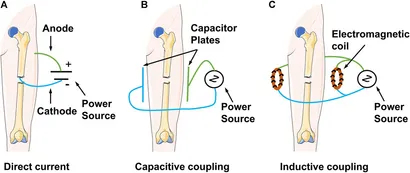
Pulsierende signal therapie represents an exciting intersection of biology and technology, offering a non-invasive way to potentially heal damaged joints from the inside out. By mimicking the body’s own regenerative signals, it aims to do more than just mask symptoms—it strives to stimulate true, cellular-level repair. For individuals struggling with chronic pain from osteoarthritis or other degenerative joint conditions, it presents a gentle yet innovative option that is free from the risks of medication or the downtime of surgery. While it may not be the right solution for everyone, its strong safety profile and the positive results reported by many patients make it a compelling choice worth exploring.
If you are curious about this treatment, the best next step is to consult with a qualified healthcare provider who can assess your specific condition and help you determine if you are a good candidate. Further information on related medical technologies can often be found on publicly accessible resources, and a good overview of the subject is available on platforms like Wikipedia. They can provide a broader context for how different therapeutic approaches are viewed and categorized within the medical field.
Frequently Asked Questions (FAQ)
1. Is pulsierende signal therapie painful?
No, the treatment is painless. The vast majority of patients do not feel anything during the session. A small number may notice a slight warmth or tingling sensation in the area being treated, but it is not uncomfortable.
2. How long does it take to see results from PST?
Results vary from person to person. Since pulsierende signal therapie works by stimulating the body’s natural, and often slow, healing processes, the effects are not immediate. Some patients report feeling better during the course of treatment, but it is more common to notice a gradual improvement in the weeks and months following the final session.
3. Is pulsierende signal therapie covered by insurance?
In the United States, pulsierende signal therapie is generally considered an alternative or complementary therapy. As such, it is typically not covered by most health insurance plans. Patients should expect to pay for the treatment out-of-pocket. It’s always best to check directly with your insurance provider for confirmation.
4. How is PST different from a TENS unit?
While both use electrical energy, they are very different. A TENS (Transcutaneous Electrical Nerve Stimulation) unit works by sending electrical impulses through the skin to stimulate nerves and block pain signals from reaching the brain. It is purely for symptomatic pain relief. In contrast, pulsierende signal therapie uses a pulsed electromagnetic field to stimulate cellular activity and promote tissue regeneration. Its goal is to heal the underlying tissue, not just block pain.
5. Are there any side effects?
Pulsierende signal therapie is known for its excellent safety profile. There are no known significant or lasting side effects. Its non-invasive and gentle nature is one of its primary advantages.
Stay Informed With the Latest & Most Important News
Previous Post
Next Post











Advertisement