

Now Reading: 101 Amazing Shark Facts: Exploring the Deep Blue’s Top Predators
-
01
101 Amazing Shark Facts: Exploring the Deep Blue’s Top Predators

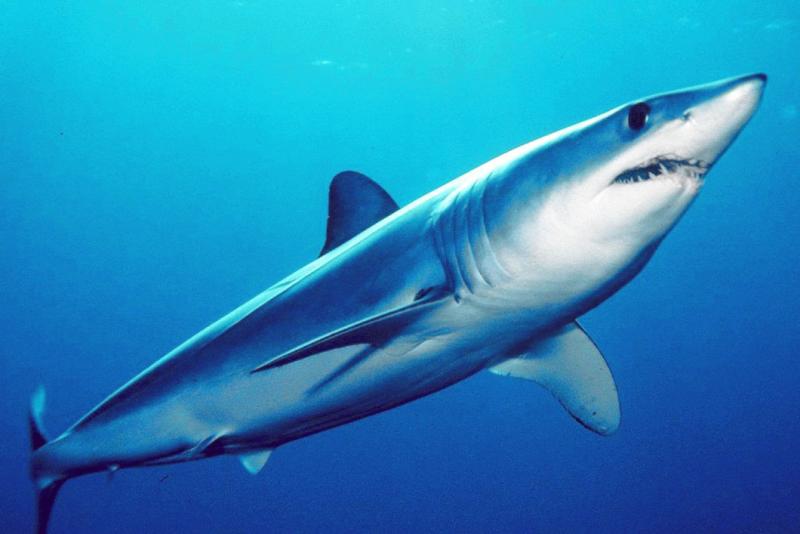
The ocean is a vast, mysterious place, and nothing captures our imagination quite like the silent hunters patrolling its depths. Sharks have been swimming in our oceans for millions of years, long before dinosaurs walked the Earth. They are often misunderstood as mindless eating machines, but the reality is much more fascinating. In this article, we are going to dive deep into some incredible shark facts that will change the way you see these marine animals.
From the massive Whale Shark to the tiny Dwarf Lanternshark, the diversity in the shark world is staggering. We will explore their super-powered senses, their unique skeletons, and their crucial role in keeping our oceans healthy. Whether you are a student doing a project or just someone who loves the sea, get ready to be amazed.
Key Takeaways
- Ancient Survivors: Sharks have existed for over 400 million years, surviving multiple mass extinctions.
- Unique Biology: Unlike most fish, sharks have skeletons made of cartilage, not bone.
- Super Senses: They possess an “sixth sense” that detects electrical fields from other animals.
- Conservation Status: Many shark species are threatened and play a vital role in the ocean’s ecosystem.
What Makes a Shark a Shark?
When you think of a shark, you probably picture a sleek gray body and a dorsal fin cutting through the water. But biologically, what sets them apart? Sharks belong to a group of fish called elasmobranchs. This group also includes rays, skates, and sawfish. One of the most fundamental shark facts is that they do not have a single bone in their bodies.
Instead of bone, their skeleton is made entirely of cartilage. This is the same flexible, lightweight stuff that shapes your ears and the tip of your nose. Having a cartilaginous skeleton is a huge advantage in the water. It is much lighter than bone, which helps sharks stay buoyant so they don’t sink like a stone. It also makes them incredibly flexible, allowing for tight turns when chasing fast prey.
Another key feature is their skin. If you were to touch a shark (which we don’t recommend!), it would feel like sandpaper. This is because their skin is covered in tiny tooth-like structures called dermal denticles. These denticles reduce friction as the shark swims, making them aerodynamic and silent in the water. It’s like wearing a high-tech swimming suit that never comes off.
The incredible anatomy of a predator
It isn’t just the skeleton that makes them special. Sharks breathe through gills, usually five to seven slits on the side of their head. Unlike many other fish that can pump water over their gills while sitting still, some sharks have to keep moving to push water over their gills to breathe. This is why you often hear the myth that sharks never sleep—while not entirely true, some species do need to be in constant motion to survive.
Their livers are also unique. Most fish have swim bladders (gas-filled sacs) to help them float. Sharks rely on a massive, oil-filled liver. Oil is lighter than water, providing the buoyancy they need. In some species, the liver can take up to 25% of their total body weight!
The History of Sharks: Older Than Dinosaurs
One of the most mind-blowing shark facts is just how old their lineage is. The earliest shark-like fossils date back about 450 million years. To put that in perspective, dinosaurs didn’t show up until about 230 million years ago. Sharks were swimming in the oceans before trees even existed on land! They have survived five major mass extinction events, including the one that wiped out the dinosaurs.
During this immense timeline, sharks have evolved into hundreds of different forms. Ancient sharks looked quite different from the ones we see today. For example, Helicoprion was an ancient shark-like fish that had a jaw shaped like a buzzsaw. Evolution has refined them into the perfect predators we see now. They didn’t need to change much in the last 100 million years because their design works so well.
The Megalodon Mystery
You can’t talk about shark history without mentioning the Megalodon. This massive prehistoric shark is the star of many movies, but the real facts are just as cool. Otodus megalodon lived roughly 23 to 3.6 million years ago. It was truly a giant, reaching lengths of up to 50 or 60 feet. That is three times longer than the biggest Great White Shark recorded today.
Megalodon teeth are the most common fossil found because sharks shed thousands of teeth in their lifetime. These fossilized teeth can be as big as a human hand! Scientists believe Megalodon went extinct due to cooling oceans and a drop in sea levels, which reduced the habitat for their favorite food sources—ancient whales.
Understanding Shark Senses
If you were a fish, a shark is the last thing you’d want tracking you. Sharks have a suite of senses that are nothing short of superpowers. Their sense of smell is legendary. Some sharks can detect a single drop of blood in an Olympic-sized swimming pool. This helps them find injured prey from miles away.
Their eyesight is also excellent, especially in low light. Behind their retina, they have a reflective layer called the tapetum lucidum. This acts like a mirror, reflecting light back through the eye to help them see in dark, murky water. It’s the same thing that makes a cat’s eyes glow in the dark.
The Sixth Sense: Ampullae of Lorenzini
Perhaps the coolest of all shark facts involves their “sixth sense.” If you look closely at a shark’s snout, you will see tiny black pores. These are called the Ampullae of Lorenzini. These pores are filled with jelly and allow the shark to detect electromagnetic fields.
Every living creature emits a tiny electrical signal just by using its muscles or having a beating heart. Sharks can pick up on these faint signals. This means a shark can find a fish hiding completely buried under the sand just by “feeling” its heartbeat. It also helps them navigate the open ocean by sensing the Earth’s magnetic field, acting like a built-in GPS.
Diversity in the Shark Kingdom
When people hear the word “shark,” they usually picture a Great White or a Hammerhead. However, there are over 500 known species of sharks, and they come in all shapes and sizes. The diversity is incredible, ranging from massive filter feeders to tiny deep-sea dwellers that glow in the dark.
The Giants: Whale Sharks and Basking Sharks
The title for the biggest fish in the sea goes to the Whale Shark. Despite their massive size—growing up to 40 feet long or more—they are gentle giants. They don’t hunt big prey; instead, they filter feed on plankton and tiny fish. They swim with their huge mouths open, straining food from the water.
The Basking Shark is the second largest, and like the Whale Shark, it is a harmless filter feeder. It looks a bit scary with its giant, gaping mouth, but it poses no threat to humans. These massive creatures cruise the oceans slowly, often near the surface “basking” in the sun, which is how they got their name.
The Tiny and the Weird
At the other end of the spectrum is the Dwarf Lanternshark, which is small enough to fit in your hand. This tiny shark lives in the deep ocean and has a cool trick: bioluminescence. It has light-emitting organs on its belly that help camouflage it from predators below and perhaps attract mates.
Then there is the Wobbegong, or “carpet shark.” These sharks have flat bodies and fringed skin that looks like seaweed. They lie on the ocean floor, perfectly camouflaged, waiting for a fish to swim too close before snapping it up. It’s a great example of how diverse shark hunting strategies can be.
|
Shark Species |
Average Size |
Unique Feature |
Diet |
|---|---|---|---|
|
Great White |
15-20 ft |
Apex predator power |
Seals, fish, rays |
|
Whale Shark |
30-40 ft |
Largest fish species |
Plankton, krill |
|
Hammerhead |
10-14 ft |
360-degree vision |
Fish, squid, rays |
|
Dwarf Lanternshark |
6-8 inches |
Glows in the dark |
Tiny crustaceans |
|
Tiger Shark |
10-14 ft |
Eats almost anything |
Turtles, trash, fish |
Shark Habitats: Where Do They Live?
Sharks are found in every ocean on Earth. You can find them in freezing polar waters, tropical coral reefs, the deep sea, and even in some rivers! Their adaptability is one of the main reasons they have survived for so long.
Coastal and Reef Sharks
Many species, like the Blacktip Reef Shark and the Nurse Shark, prefer warm, shallow waters near coral reefs. These areas are rich in food, providing plenty of fish and crustaceans to eat. If you go snorkeling in the tropics, these are the sharks you are most likely to see. They play a crucial role in keeping the reef healthy by eating sick or weak fish.
Deep Sea Dwellers
The deep ocean is a cold, dark place with crushing pressure, yet sharks thrive there too. The Goblin Shark is a famous deep-sea resident. It has pinkish skin and a terrifying jaw that shoots out to grab prey. Another is the Greenland Shark, which lives in the freezing waters of the North Atlantic and Arctic. These sharks grow very slowly and can live for over 400 years, making them the longest-living vertebrates known to science!
Freshwater Sharks?
Yes, it’s true! While most sharks live in saltwater, the Bull Shark is famous for its ability to swim in fresh water. They have special kidneys that can recycle salt, allowing them to travel hundreds of miles up rivers like the Amazon and the Mississippi. This is one of the more surprising shark facts that often shocks people.
What Do Sharks Really Eat?
The shark diet is incredibly varied. While we often think of them eating seals or big fish, different species have evolved to eat very different things.
- Meat Eaters: Great Whites and Tiger Sharks are carnivores that eat seals, sea lions, dolphins, and large fish.
- Filter Feeders: As mentioned, Whale Sharks and Basking Sharks eat tiny plankton.
- Shellfish Lovers: Nurse sharks and Port Jackson sharks have flat, crushing teeth perfect for cracking open crabs, lobsters, and clams found on the sea floor.
- Cookie Cutters: The Cookiecutter Shark is a small parasite-like shark. It attaches its mouth to a larger animal (like a whale or tuna), spins around, and takes a perfectly round scoop of flesh out of its victim, like a cookie cutter!
It is important to note that humans are not a natural part of any shark’s diet. Most shark bites are cases of mistaken identity. A surfer on a board looks a lot like a seal from below. Once the shark takes a “test bite” and realizes it’s not a fatty seal, they usually let go.
Shark Reproduction and Life Cycle
Sharks have very slow reproductive rates compared to other fish. Most fish lay thousands of eggs and hope for the best. Sharks, however, invest a lot of energy into a few pups. This strategy works well in nature but makes it hard for shark populations to recover from overfishing.
Eggs vs. Live Birth
Sharks reproduce in three main ways:
- Oviparity (Egg-laying): Some sharks, like the Catshark and Horn Shark, lay eggs. These eggs are protected by a tough, leathery case often called a “mermaid’s purse.” You can sometimes find these empty cases washed up on the beach.
- Viviparity (Live birth): Similar to mammals, some sharks like the Bull Shark and Blue Shark give birth to live young. The babies are nourished by a placenta inside the mother.
- Ovoviviparity (Eggs hatch inside): In species like the Great White, eggs hatch inside the mother’s body. The pups continue to grow inside her before being born live. In some cases, the stronger siblings will even eat the unhatched eggs or weaker siblings while still in the womb!
Once born, shark pups are on their own. There is no parental care. They are born as miniature versions of adults, ready to hunt and fend for themselves immediately.
The Role of Sharks in the Ecosystem
Sharks are apex predators, meaning they are at the top of the food chain. This role is vital for maintaining balance in the ocean. One of the most critical shark facts is that without sharks, ocean ecosystems can collapse.
By eating old, sick, or slow fish, sharks stop the spread of disease and ensure that the stronger fish survive to reproduce. This keeps prey populations healthy. They also influence the behavior of their prey. For example, the presence of Tiger Sharks keeps turtles from overgrazing on seagrass beds. If the sharks disappear, the turtles eat all the grass, destroying the habitat for crabs, smaller fish, and birds.
The ocean is a complex web of life, and sharks are the guardians of that web. Removing them has a domino effect that impacts everything else, including the fish humans rely on for food.
Threats to Sharks: Why They Are in Danger
Despite being feared predators, sharks have much more to fear from humans than we do from them. It is estimated that humans kill roughly 100 million sharks every year. That is a staggering number and is completely unsustainable.
Overfishing and Shark Finning
The biggest threat is overfishing. Sharks are often caught as “bycatch” by massive commercial fishing nets meant for tuna or other fish. Once caught, they often die before they can be released.
Shark finning is a cruel and wasteful practice driven by the demand for shark fin soup, a luxury dish in some cultures. Sharks are caught, their fins are sliced off, and the still-living shark is thrown back into the ocean to drown or bleed to death. Because sharks grow slowly and have few babies, they cannot reproduce fast enough to replace the millions being killed.
Habitat Loss and Pollution
Pollution, especially plastic waste, is another major issue. Sharks can ingest plastic or get tangled in old fishing gear (ghost nets). Climate change is also warming the oceans and changing the acidity of the water, which affects coral reefs and the fish that sharks eat.
Myths vs. Reality: Debunking Shark Stereotypes
Movies like Jaws have done a great job of terrifying people, but they have also spread a lot of misinformation. Let’s set the record straight on some common myths using real shark facts.
- Myth: Sharks attack people on purpose.
-
- Reality: Sharks do not hunt humans. We are too bony and don’t provide enough energy. Most incidents are accidents or curiosity. You are more likely to be killed by a toaster or a falling coconut than a shark.
- Myth: Sharks are mindless killing machines.
-
- Reality: Sharks are intelligent and curious. They can learn behaviors and even solve simple problems. Some divers have developed bonds with individual sharks over years.
- Myth: All sharks are big and dangerous.
-
- Reality: As we discussed, most of the 500+ species are small and harmless to humans. Only a handful of species have ever been involved in incidents with people.
How to Stay Safe in the Water
While the risk is incredibly low, it is smart to respect the ocean when you enter it. Here are some tips to stay “shark smart”:
- Don’t swim at dawn or dusk: This is feeding time for many shark species, and visibility is lower.
- Avoid wearing shiny jewelry: The reflection can look like fish scales to a shark.
- Swim in groups: Sharks are more likely to approach a solitary individual.
- Stay away from fishing areas: Bait and blood in the water attract predators.
- Don’t splash excessively: Erratic splashing mimics the sound of an injured fish.
Remember, the ocean is their home, and we are just visitors. Respecting their space ensures safety for both humans and sharks.
Shark Conservation: How You Can Help
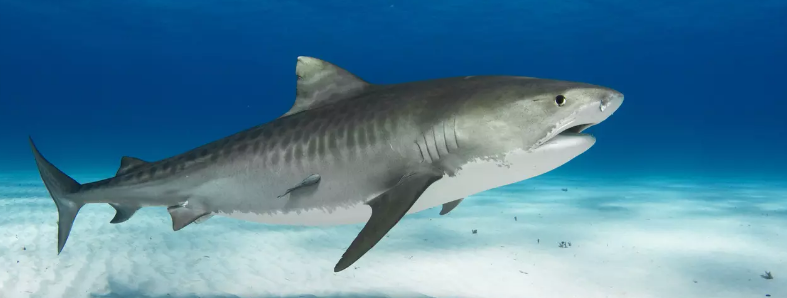
The good news is that awareness is growing. Many countries have created shark sanctuaries where fishing is banned. Science and tourism are helping to change the perception of sharks from monsters to valuable assets. A live shark is worth far more to the tourism industry (through scuba diving and snorkeling tours) than a dead shark sold for its fins.
You can help too!
- Spread the word: Share these shark facts with friends and family. Education is the best tool we have.
- Choose sustainable seafood: Make sure the fish you eat isn’t caught in ways that harm sharks.
- Reduce plastic: Using less plastic keeps the oceans cleaner for all marine life.
- Support conservation groups: Many organizations are working hard to protect shark habitats and lobby for better laws. For more interesting articles on nature and wildlife, you can visit amazing resources like Forbes Planet.
Amazing Trivia for Your Next Quiz
Let’s wrap up with a quick-fire round of fascinating trivia. These are perfect for impressing your friends or winning your next trivia night.
- Speed Demons: The Shortfin Mako is the fastest shark, capable of reaching speeds up to 45 mph. It can even jump 30 feet out of the water!
- No Cavities: Shark teeth are coated in fluoride, the same stuff in your toothpaste, keeping them healthy and strong.
- Thick Skin: The Whale Shark has the thickest skin of any animal, up to 6 inches thick.
- Long Travels: Great White Sharks are known to migrate thousands of miles. One shark named “Nicole” swam from South Africa to Australia and back—a round trip of over 12,000 miles!
- Stomach Turning: If a shark eats something it can’t digest, it can turn its stomach inside out through its mouth to expel the item, then swallow its stomach back down.
Conclusion
Sharks are undeniably some of the most captivating creatures on our planet. They are ancient, diverse, and biologically spectacular. Far from the villains they are portrayed to be in movies, they are essential guardians of the ocean’s health. By learning and sharing shark facts, we can help shift the narrative from fear to fascination.
The more we understand these animals, the more we realize that the ocean needs sharks. Protecting them ensures a healthy blue planet for future generations. So the next time you look out at the sea, remember the incredible world hidden beneath the waves and the silent, majestic predators that call it home.
For even more detailed scientific classification and history, you can always find a link from Wikipedia to explore further.
Frequently Asked Questions (FAQ)
Q: Do sharks really never sleep?
A: Not exactly. While some sharks must keep moving to breathe (obligate ram ventilators), others, like Nurse Sharks, can rest on the sea floor and pump water over their gills.
Q: How many teeth do sharks lose?
A: Sharks can lose and regrow over 30,000 teeth in their lifetime! They have conveyor-belt rows of teeth, so when one falls out, another moves forward to replace it.
Q: Are sharks attracted to human blood?
A: Sharks can smell blood, but they are tuned to the scent of fish and marine animal blood. Human blood isn’t a food trigger for them, though it’s still best to get out of the water if you are bleeding.
Q: What is the smallest shark?
A: The Dwarf Lanternshark is currently the record holder, growing to only about 6 to 8 inches in length.
Q: Can sharks get cancer?
A: There is a myth that sharks don’t get cancer, but this is false. Sharks can and do get cancer, though they may have lower rates than some other animals. Scientists study them to understand why, but they are not immune.
Related Posts



Stay Informed With the Latest & Most Important News
Previous Post
Next Post









Advertisement