Now Reading: Uvlack: The Complete Guide to Next-Generation Coatings
-
01
Uvlack: The Complete Guide to Next-Generation Coatings

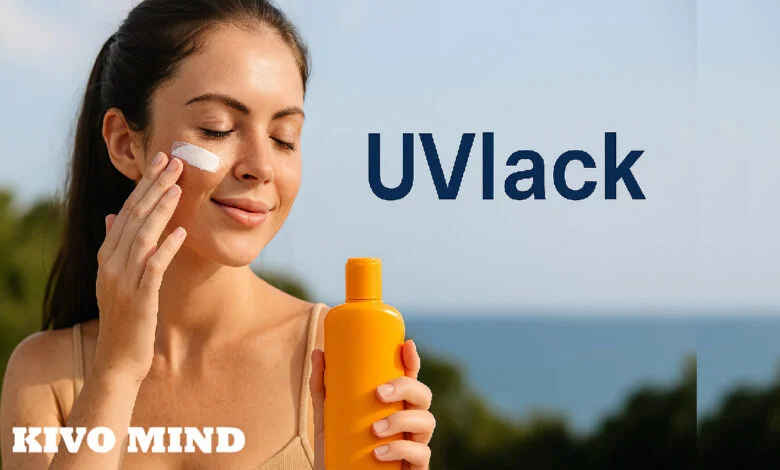
Welcome to the ultimate guide on uvlack, a revolutionary material that is setting new standards across various industries. If you’ve ever wondered about the future of surface finishes and protective coatings, you’ve come to the right place. Uvlack is more than just a new product; it’s a technological leap forward, offering unparalleled durability, efficiency, and aesthetic appeal.
This comprehensive article will explore every facet of uvlack, from its basic composition and benefits to its diverse applications and environmental impact. We’ll break down why this innovative solution is rapidly becoming the go-to choice for professionals and manufacturers seeking superior performance and quality. Get ready to discover how uvlack is changing the game.
What Exactly is Uvlack?
At its core, uvlack is a state-of-the-art polymer coating that cures, or hardens, almost instantly when exposed to ultraviolet (UV) light. Unlike traditional paints and varnishes that rely on evaporation or chemical reactions that can take hours or even days, uvlack uses a process called photocuring. This process is triggered by high-intensity UV radiation, which initiates a rapid chain reaction within the coating’s molecules, transforming it from a liquid to a solid in a matter of seconds.
This unique curing mechanism is what gives uvlack its remarkable properties. The formulation typically consists of oligomers, monomers, photoinitiators, and various additives. The oligomers form the backbone of the coating, determining its final characteristics like hardness and flexibility. Monomers act as diluents, controlling the viscosity for easy application.
The most crucial component, the photoinitiator, absorbs the UV light and kicks off the curing process. This sophisticated blend results in a non-porous, incredibly resilient finish that stands up to wear and tear far better than conventional alternatives. It represents a significant advancement in coating technology, a topic often explored on platforms like forbesplanet.co.uk when discussing industrial innovations.
Key Takeaways
- Rapid Curing: Uvlack solidifies in seconds under UV light, dramatically speeding up production processes.
- Exceptional Durability: It creates a hard, scratch-resistant, and chemical-resistant surface.
- Eco-Friendly: Contains low to zero Volatile Organic Compounds (VOCs), making it a greener alternative.
- Versatile Applications: Used in everything from automotive manufacturing to electronics and furniture making.
- Superior Finish: Provides a consistent, high-quality gloss or matte finish that enhances product appearance.
The Science Behind Uvlack’s Instant Curing
The magic of uvlack lies in the chemistry of photocuring. When the liquid uvlack coating is applied to a surface, it remains wet until it passes under a high-intensity UV lamp. This is where the photoinitiators spring into action. These specialized molecules are designed to absorb energy from a specific wavelength of UV light.
Once a photoinitiator absorbs a photon of UV light, it becomes highly energized and splits into reactive free radicals. These free radicals are incredibly unstable and immediately seek to bond with other molecules. They attack the double bonds present in the oligomers and monomers, starting a chain reaction known as polymerization. This reaction spreads like wildfire through the entire coating, linking all the molecules together into a tightly cross-linked, three-dimensional polymer network. The entire transformation from a liquid to a durable solid happens in a fraction of the time it takes for traditional coatings to even begin drying. This efficiency is what makes the uvlack process so powerful for high-volume manufacturing environments.
Top Benefits of Using Uvlack Technology
The adoption of uvlack technology brings a host of advantages that are transforming manufacturing workflows. These benefits extend beyond just a better-looking finish; they impact efficiency, cost, and environmental responsibility.
Unmatched Speed and Efficiency
The most significant advantage of using uvlack is the incredible speed of its curing process. Production lines no longer need long drying tunnels or extensive space for parts to air dry. Items coated with uvlack can be handled, stacked, and assembled almost immediately after passing under the UV curing lamps. This drastically reduces production bottlenecks, allowing for a much higher throughput. A process that once took hours can now be completed in minutes, enabling manufacturers to meet tight deadlines and increase their overall output without expanding their physical footprint. This boost in productivity leads directly to lower labor costs and faster return on investment.
Superior Durability and Performance
Surfaces treated with uvlack exhibit exceptional resilience. The tightly cross-linked polymer structure creates a hard shell that is highly resistant to scratches, abrasions, and impacts. This makes it ideal for high-traffic items like flooring, countertops, and automotive interiors. Furthermore, the non-porous nature of the cured uvlack provides an excellent barrier against chemicals, solvents, and stains. Spills can be wiped away easily without damaging the underlying material. This level of protection ensures that products maintain their pristine appearance for longer, enhancing customer satisfaction and reducing warranty claims. The longevity and robust performance of a uvlack finish are simply in a different league compared to traditional lacquers and paints.
Environmental and Safety Advantages
In an era of increasing environmental awareness, uvlack stands out as a responsible choice. Traditional solvent-based coatings release high levels of Volatile Organic Compounds (VOCs) as they dry. These VOCs are harmful pollutants that contribute to smog and can cause health issues. Uvlack formulations, on the other hand, are typically 100% solids, meaning they contain little to no solvents. As a result, they emit virtually no VOCs, making them much safer for workers and kinder to the environment. This helps companies comply with stringent air quality regulations and promotes a healthier workplace. The energy-efficient UV lamps used for curing also consume less power than the large ovens required for heat-cured coatings.
Common Applications of Uvlack Across Industries
The versatility and superior properties of uvlack have led to its widespread adoption in numerous sectors. Its ability to adhere to a variety of substrates, including wood, plastic, metal, and glass, makes it a highly flexible solution.
Automotive Manufacturing
The automotive industry relies on coatings that are both beautiful and tough. Uvlack is used for a range of applications, from protective topcoats on headlights to scratch-resistant finishes on interior trim components like dashboards and door handles. Its high-gloss finish enhances the vehicle’s aesthetic, while its durability protects parts from daily wear, tear, and exposure to UV sunlight, which prevents yellowing and degradation.
Electronics and Consumer Goods
In the electronics industry, precision is key. Uvlack is used as a conformal coating to protect printed circuit boards (PCBs) from moisture, dust, and corrosion. Its rapid curing process is perfect for high-speed automated assembly lines. You can also find uvlack finishes on smartphone casings, laptop bodies, and other consumer gadgets, providing a sleek look and a durable, fingerprint-resistant surface.
Furniture and Woodworking
Wood is a popular material, but it’s susceptible to damage. Uvlack provides a robust protective layer for wooden furniture, cabinetry, and flooring. It seals the wood, highlighting its natural grain while offering superior protection against scratches, stains, and water damage. The speed of the uvlack process allows furniture makers to finish and ship products much faster than with traditional varnishes, which can require days of drying and sanding between coats.
Printing and Packaging
The printing industry uses uvlack to apply high-gloss or matte spot varnishes to brochures, book covers, and luxury packaging. This not only enhances the visual appeal of the printed material but also adds a layer of protection against scuffs and moisture. The instant cure means printed sheets can be immediately cut, folded, and bound, streamlining the entire post-press process.
Uvlack vs. Traditional Coatings: A Comparison
To fully appreciate the advantages of uvlack, it’s helpful to compare it directly with traditional coating methods like solvent-based lacquers, water-based polyurethane, and two-part epoxies.
|
Feature |
Uvlack |
Traditional Lacquer |
Water-Based Poly |
|---|---|---|---|
|
Curing Time |
Seconds |
1-4 hours |
2-24 hours |
|
VOC Emissions |
Very Low to None |
High |
Low |
|
Durability |
Excellent |
Moderate |
Good |
|
Production Speed |
Very Fast |
Slow |
Slow |
|
Energy Use |
Low (UV Lamps) |
High (Ovens) |
Low (Air Dry) |
|
Finish Quality |
Excellent, Consistent |
Good, can vary |
Good, can be sensitive |
|
Chemical Resistance |
Excellent |
Poor |
Moderate |
As the table shows, uvlack consistently outperforms traditional methods in critical areas like speed, durability, and environmental safety. While the initial investment in UV curing equipment can be higher, the long-term savings in energy, labor, and materials, combined with increased productivity, deliver a strong return on investment.
Understanding the Different Types of Uvlack Finishes
Uvlack is not a one-size-fits-all solution. It can be formulated to achieve a wide range of finishes, catering to different aesthetic and functional requirements.
High-Gloss Uvlack
This is the most common type, providing a mirror-like, reflective surface. High-gloss uvlack is popular for applications where a premium, vibrant look is desired, such as on luxury packaging, automotive trim, and modern furniture. It makes colors appear richer and deeper.
Matte Uvlack
For a more subdued and contemporary look, matte uvlack offers a non-reflective, soft-touch finish. It is excellent at hiding fingerprints and minor imperfections, making it a practical choice for high-touch surfaces like electronic casings, kitchen cabinets, and architectural elements.
Textured Uvlack
Formulations can also be adjusted to create specific textures. This can range from a subtle satin feel to more pronounced patterns. Textured uvlack is used to add tactile interest to products or to improve grip on certain items. This level of customization allows designers to fully realize their creative vision.
The Application Process: How is Uvlack Applied?
Applying uvlack is a precise process that requires specialized equipment to ensure a flawless finish. The steps are generally consistent across different industries, though they may be adapted for specific substrates.
- Surface Preparation: This is the most critical step. The substrate must be perfectly clean, dry, and free of any dust, oil, or contaminants. In some cases, a primer may be applied to promote better adhesion.
- Coating Application: The liquid uvlack is applied using various methods, such as spray guns, roller coaters, or curtain coaters. The goal is to lay down a smooth, even layer of a specific thickness.
- Flash-Off (If Necessary): Some uvlack formulations contain a small amount of solvent that needs a moment to evaporate before curing. This “flash-off” period is very short, typically just a minute or two.
- UV Curing: The coated item then passes under a series of high-intensity UV lamps. The conveyor belt speed and lamp intensity are carefully calibrated to deliver the exact amount of UV energy needed for a full cure. The part emerges from the UV tunnel completely cured and ready for the next production step.
- Quality Control: Finally, the finished product is inspected for any defects in the coating, ensuring it meets the required standards for thickness, gloss, and adhesion.
Challenges and Considerations with Uvlack
Despite its many benefits, uvlack technology is not without its challenges. One major consideration is its inability to cure in areas that are not directly exposed to UV light. This makes it difficult to use on complex, three-dimensional objects with shadowed or recessed areas. This “line-of-sight” limitation means that the design of both the part and the curing station must be carefully planned.
Additionally, the initial setup cost for a uvlack production line can be substantial due to the need for specialized application and UV curing equipment. This investment may be a barrier for smaller businesses. Finally, while uvlack coatings are very durable, repairing a damaged area can be more difficult than with traditional paints. It often requires sanding down the affected section and reapplying and curing the coating, which can be a tricky process to blend seamlessly.
The Future of Uvlack and Surface Coatings
The field of coating technology is constantly evolving, and uvlack is at the forefront of this innovation. Researchers are actively working to overcome its current limitations. New formulations are being developed that have better adhesion to difficult substrates and improved flexibility. There is also significant progress in developing UV-LED curing systems, which are more energy-efficient, longer-lasting, and produce less heat than traditional mercury-arc lamps.
This makes it possible to use uvlack on heat-sensitive materials like thin plastics and certain types of wood veneers. As the technology continues to advance and become more accessible, we can expect to see uvlack being used in even more applications, further solidifying its position as a leading solution for modern manufacturing. Innovative platforms, including sites like forbesplanet.co.uk, continue to track these developments in material science.
Conclusion
Uvlack represents a monumental shift in how we think about surface protection and finishing. Its unique combination of speed, strength, and sustainability offers a compelling alternative to traditional coatings that is hard to ignore. By enabling faster production cycles, creating more durable products, and reducing environmental impact, uvlack delivers value at every level.
While there are challenges to consider, the ongoing advancements in formulation and curing technology are paving the way for an even brighter future. Whether you are a manufacturer looking to optimize your production line or a consumer who appreciates quality and longevity, uvlack is a name you will be seeing a lot more of. It is truly the coating of the future, available today.
For further general information on related scientific principles, you may find resources on Wikipedia to be helpful.
Related Posts


Stay Informed With the Latest & Most Important News
Previous Post
Next Post










Advertisement