
Now Reading: Jadeitový Kameň: Unlocking the Secrets of This Beautiful Green Gem
-
01
Jadeitový Kameň: Unlocking the Secrets of This Beautiful Green Gem

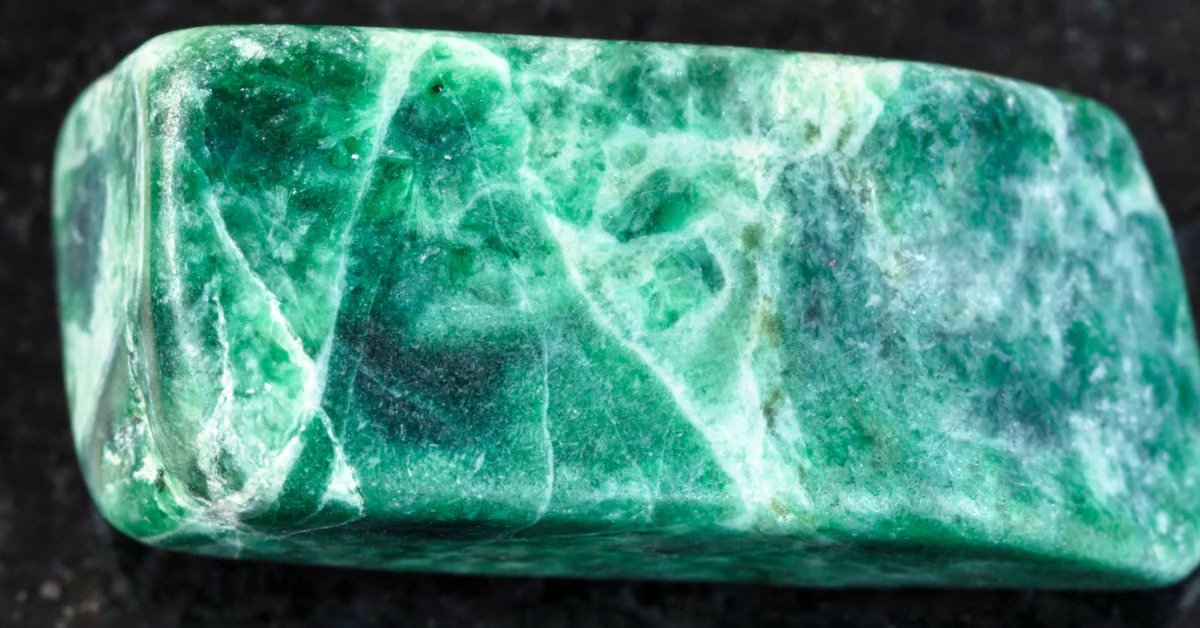
Have you ever held a smooth, cool green stone in your hand and felt instantly calmer? If so, you might have been holding a piece of jade, or as it is known in some parts of the world, jadeitový kameň. This beautiful gemstone has captured the hearts of people for thousands of years. From ancient emperors in China to modern jewelry lovers in the United States, this stone is famous for its toughness, beauty, and the special meaning it carries.
In this article, we are going to explore everything you need to know about this fascinating mineral. We will look at where it comes from, what makes it so special, and how you can use it in your daily life. Whether you are a crystal collector or just someone who loves pretty green rocks, there is something here for you.
Key Takeaways:
- Jadeitový kameň refers to jadeite, a rare and durable form of jade.
- It is historically significant, symbolizing purity, protection, and harmony.
- The stone is used for jewelry, carvings, and spiritual healing practices.
- True jadeite comes in many colors, not just green.
- Caring for your stone properly ensures it lasts a lifetime.
What Exactly Is Jadeitový Kameň?
When we talk about jadeitový kameň, we are referring to a specific type of mineral that falls under the umbrella of “jade.” For a long time, people thought all green stones were the same, but science eventually showed us that jade is actually two different minerals: nephrite and jadeite. Jadeitový kameň specifically refers to jadeite. It is harder, rarer, and often more valuable than its cousin, nephrite.
This stone is formed deep within the earth under high pressure and relatively low temperatures. It belongs to a group of minerals called pyroxenes. Because of how it forms, the crystals interlock tightly, making the stone incredibly tough. In fact, ancient civilizations used it to make tools like axe heads and knives before they used it for jewelry because it wouldn’t break easily.
While we usually think of it as green, jadeitový kameň can actually be found in a rainbow of colors. You might see lavender, red, orange, yellow, black, or white varieties. However, the deep, translucent emerald green—often called Imperial Jade—is the most famous and expensive type.
The Difference Between Jadeite and Nephrite
It can be confusing to tell the difference between these two stones. Here is a simple table to help you understand the key differences.
|
Feature |
Jadeite (Jadeitový Kameň) |
Nephrite |
|---|---|---|
|
Chemical Composition |
Sodium aluminum silicate |
Calcium magnesium iron silicate |
|
Hardness (Mohs Scale) |
6.5 to 7.0 |
6.0 to 6.5 |
|
Colors |
Green, lavender, red, yellow, white, black |
Mostly green, white, yellow, black |
|
Luster |
Glassy or vitreous |
Waxy or greasy |
|
Rarity |
Rare |
More common |
The Rich History of Jadeitový Kameň
The history of jadeitový kameň is as colorful as the stone itself. In Mesoamerica, civilizations like the Olmecs, Mayans, and Aztecs treasured this stone more than gold. To them, it represented life, water, and the breath of the soul. They carved intricate masks and ornaments that are still displayed in museums today.
In China, jade has been culturally significant for over 5,000 years, although much of the ancient Chinese jade was actually nephrite. However, once jadeitový kameň (jadeite) was introduced from Burma (now Myanmar) in the 18th century, it quickly became the favorite of the Imperial court. The Empress Dowager Cixi was known for her obsession with this specific type of jade. She loved its glassy shine and vivid colors.
Today, the appreciation for this stone has spread globally. It isn’t just a relic of the past; it is a vibrant part of modern culture. People still wear it as a symbol of status and protection. The connection to history makes wearing a piece of jadeitový kameň feel like you are carrying a piece of ancient wisdom with you.
Where Is Jadeitový Kameň Found?
You might be wondering where this beautiful stone comes from. It isn’t found just anywhere. The geological conditions have to be perfect for jadeitový kameň to form. The most famous source is Myanmar (formerly Burma). This region produces the vast majority of the world’s high-quality jadeite, including the highly prized Imperial Jade.
Other locations include Guatemala, which was the main source for the ancient Mayan civilizations. There are also deposits in Russia, Japan, and even in the United States, specifically in California. However, the quality and quantity vary greatly depending on the location.
Mining this stone is hard work. It often involves digging through massive amounts of rock in remote mountainous areas. Because it is so difficult to find and extract, the value of high-quality jadeitový kameň remains very high. When you buy a piece, you are paying for the rarity and the effort it took to bring that stone from the earth to your hand.
Famous Mining Locations
- Myanmar (Burma): The primary source of gem-quality stone.
- Guatemala: Known for “blue” jade and historically significant varieties.
- Russia: Produces some green and white varieties.
- Japan: Specifically in the Itoigawa region.
- USA: Found in San Benito County, California.
The Spiritual Meaning of Jadeitový Kameň
Beyond its physical beauty, many people believe that jadeitový kameň holds powerful spiritual energy. It is often called the “Stone of Heaven.” In the world of crystal healing, it is associated with the heart chakra. This means it is believed to help with emotions, love, and compassion.
Wearing or holding this stone is said to bring a sense of peace and calm. It is thought to protect the wearer from negative energy and harm. Many travelers carry a piece of jade in their pockets as a lucky talisman. It acts as a spiritual bodyguard, keeping bad vibes away while inviting good fortune in.
Some people also use jadeitový kameň to help them achieve their goals. It is considered a stone of abundance and prosperity. If you are starting a new business or trying to save money, keeping this stone nearby is believed to help attract financial success. It encourages you to see the possibilities in life rather than the obstacles.
Healing Properties and Benefits
While scientific evidence doesn’t support crystal healing, many people find comfort and personal meaning in the metaphysical properties of stones. Enthusiasts believe that jadeitový kameň offers physical and emotional healing benefits.
Emotional Healing:
- Soothing Anxiety: It is said to calm the mind and release negative thoughts.
- Encouraging Love: By connecting to the heart chakra, it helps open you up to love and friendship.
- Boosting Confidence: It helps you trust in your own wisdom and decision-making.
Physical Healing (Beliefs):
- Detoxification: Some believe it helps the body’s filtration organs, like the kidneys and spleen.
- Skeletal System: It is sometimes used to support the healing of hips and bones.
- Skin Health: Jade rollers are popular beauty tools used to reduce puffiness and improve skin elasticity.
Whether you believe in these properties or not, the act of taking time to focus on your well-being with a beautiful object like jadeitový kameň can be a meditative and positive experience.
How to Identify Real Jadeitový Kameň
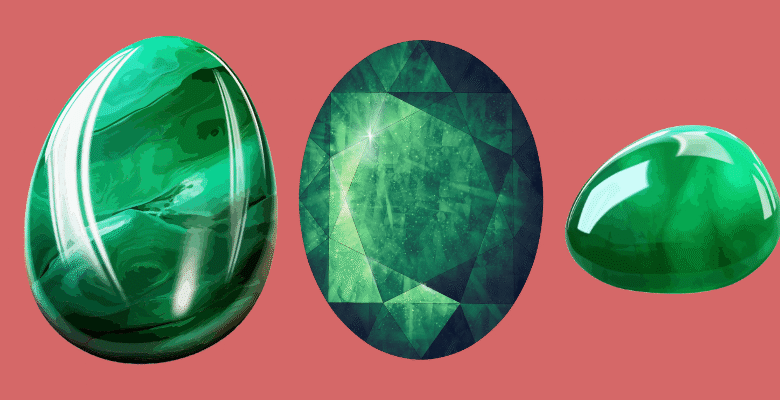
Because jadeitový kameň is valuable, there are many fakes out there. Some are made of glass, plastic, or other cheaper stones like serpentine or quartz that have been dyed. Knowing how to spot the real thing is important if you plan to buy it.
One of the first tests is the “touch test.” Real jade feels cool to the touch, even in a warm room. It takes a while to warm up in your hand. If the stone feels warm immediately or matches the room temperature quickly, it might be plastic or glass.
Another factor is the sound. If you gently tap a piece of real jade with another stone or a coin, it should make a high-pitched, bell-like clinking sound. Plastic or resin will make a dull thud. Also, look closely at the texture. Real jadeitový kameň often has small imperfections or fibrous inclusions inside. If it looks perfectly clear and has air bubbles, it is likely glass.
The Three Types of Treated Jade
Jewelers classify jade into three categories based on how it has been treated:
- Type A: Natural, untreated jade. It has only been polished with wax. This is the most valuable.
- Type B: Chemically bleached to remove impurities and then injected with polymer resin to improve strength.
- Type C: Dyed to improve color. This color often fades over time.
Why Is Jadeitový Kameň So Expensive?
You might see a jade bracelet for $10 and another one that looks similar for $10,000. Why is there such a huge price difference? The value of jadeitový kameň depends on several specific factors known as the “Three Cs”: Color, Clarity, and Cut (or Craftsmanship).
Color is the most important factor. The most desirable color is a vibrant, intense green that looks like an emerald. This is often called “Imperial Green.” However, lavender is the second most valuable color. The more even and saturated the color, the higher the price.
Transparency (often called water or translucency) is next. High-quality jadeite glows; light passes through it easily. If the stone is opaque and looks dull, it is worth much less. Finally, texture matters. Fine-grained jade looks smooth and glossy, while coarse-grained jade looks patchy. When you combine perfect color, high transparency, and smooth texture, jadeitový kameň becomes one of the most expensive gems in the world.
Uses of Jadeitový Kameň in Jewelry
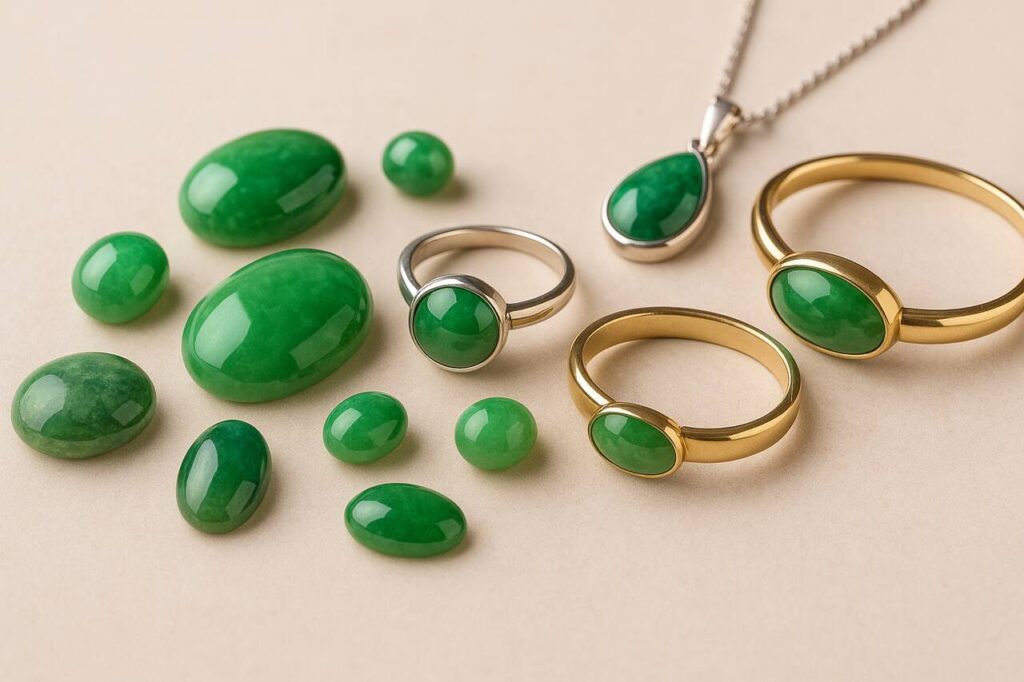
Jewelry is the most common way people enjoy jadeitový kameň. Because the stone is so tough, it can be carved into shapes that other gemstones cannot handle. You will often see it as solid bangles carved from a single piece of rock. These bangles are very traditional and are often worn for protection.
Pendants are also very popular. Artisans carve symbols like dragons, phoenixes, or Buddhas into the stone. Each symbol adds another layer of meaning to the piece. For example, a bamboo carving symbolizes resilience and growth, while a bat symbolizes happiness.
Modern designers are also using jadeitový kameň in new ways. They mix it with diamonds, gold, and platinum to create contemporary pieces that look great with jeans and a t-shirt or an evening gown. It is a versatile stone that bridges the gap between ancient tradition and modern fashion.
Using Jadeitový Kameň for Feng Shui
Feng Shui is the ancient Chinese art of arranging your environment to create balance and harmony. Jadeitový kameň plays a big role in this practice. It is considered a “wood” element stone, representing growth, health, and family.
Placing a jade statue or carving in the east sector of your home is said to promote health and family harmony. If you place it in the southeast corner, it is believed to attract wealth and abundance. Many people keep a jade plant (a succulent) in their home for similar reasons, but using the actual stone is considered even more powerful.
You don’t need a giant statue to get the benefits. A small bowl of tumbled jadeitový kameň stones on your desk can help keep the energy calm and focused while you work. It is about setting an intention and using the stone as a physical reminder of that intention.
How to Clean and Care for Your Stone
Even though jadeitový kameň is very tough, it still needs to be taken care of if you want it to stay beautiful. It can be scratched by harder substances, and strong chemicals can damage the polish.
Cleaning Steps:
- Prepare a Solution: Mix mild soap (like dish soap) with warm water.
- Soak: Let the stone soak for a minute or two.
- Scrub Gently: Use a soft brush or a soft cloth to wipe away dirt and oils. Do not use hard bristles.
- Rinse: Rinse thoroughly with clean water to remove all soap residue.
- Dry: Dry completely with a soft, lint-free cloth.
Avoid using ultrasonic cleaners or steam cleaners for jadeitový kameň. These machines can damage the structure of the stone, especially if it has been treated (Type B or C jade). Also, try not to expose it to extreme heat or acids.
Jadeitový Kameň vs. Other Green Stones
There are many green stones in the world, and it is easy to get them mixed up. Aventurine, serpentine, and prehnite can all look a bit like jade.
Aventurine is a type of quartz. It usually has sparkly flecks inside it, known as aventurescence. Jadeitový kameň does not sparkle; it has a smooth, glowing luster. Aventurine is also much cheaper and more common.
Serpentine is softer than jade. You can often scratch serpentine with a penny or a knife (though we don’t recommend testing it this way on jewelry!). It also has a waxy feel, whereas jadeite feels glassy.
Knowing these differences protects you from overpaying. If a seller calls a stone “New Jade” or “Korean Jade,” be careful. These are often trade names for serpentine or other minerals, not genuine jadeitový kameň.
Cultural Significance Around the World
While we have talked a lot about China and Mesoamerica, jadeitový kameň appears in other cultures too. In New Zealand, the Maori people treasure a stone called Pounamu. While most Pounamu is nephrite jade, the cultural reverence is very similar to how jadeite is viewed elsewhere. It is considered a taonga (treasure) and is protected by law.
In modern Western culture, jade represents the 12th wedding anniversary. It symbolizes a love that has been tested and is tough, just like the stone. Giving a gift of jadeitový kameň is a way of saying, “Our relationship is strong, beautiful, and enduring.”
For luxury lifestyle insights and more on high-value collectibles, you can visit fantastic resources like Forbes Planet. Learning about the cultural background of these items adds so much value to owning them.
Investing in Jadeitový Kameň
Can buying jadeitový kameň be a good investment? The answer is yes, but only if you buy the right kind. High-end Imperial Jade has seen a massive increase in value over the last few decades. It has outperformed gold and many stocks in certain markets.
However, the market is complex. Commercial-grade jade (the kind you find in typical jewelry stores) usually doesn’t increase in value much. Investment-grade jade is extremely rare and costs thousands, sometimes millions, of dollars.
If you are looking to invest, you need to work with reputable dealers and get certificates from gemological laboratories. A certificate will tell you if the stone is natural (Type A) or treated. Remember, treated jade has very little resale value compared to natural jadeitový kameň.
The Future of Jadeitový Kameň
As mining becomes more difficult and regulations in places like Myanmar change, the supply of high-quality jadeitový kameň is becoming tighter. This scarcity is likely to drive prices up even further in the future.
At the same time, people are becoming more interested in ethical sourcing. Buyers want to know that their stones were mined responsibly without harming the environment or the workers. This shift is pushing the industry toward more transparency.
We are also seeing a revival in appreciation for non-green colors. Lavender and ice-white jade are becoming trendy among younger buyers who want something unique. The future of this stone is bright, colorful, and increasingly valuable.
Common Myths About Jadeitový Kameň
There are many stories surrounding this stone, and not all of them are true. Let’s bust a few myths.
- Myth: All jade is green.
-
- Fact: As we mentioned, jadeitový kameň comes in lavender, red, yellow, black, and white.
- Myth: Jade is indestructible.
-
- Fact: It is very tough, meaning it doesn’t break easily, but it is not scratch-proof. A diamond or a sharp metal object can scratch it.
- Myth: Buying jade brings immediate luck.
-
- Fact: While culturally believed to be lucky, it isn’t a magic wand. It serves as a symbol and a mindset booster.
Understanding the facts helps you appreciate the stone for what it really is: a natural wonder of the earth.
Conclusion
Jadeitový kameň is truly one of nature’s most remarkable creations. It combines toughness with delicate beauty, and history with modern style. Whether you are drawn to it for its potential healing properties, its rich cultural history, or simply because you love the color green, it is a gemstone that deserves a place in your life.
From the mines of Myanmar to the jewelry boxes of the world, this stone tells a story of geology and human artistry. By understanding what it is, how to care for it, and how to spot the real deal, you can enjoy your jade for decades to come. Next time you see a piece of jadeitový kameň, remember that you are looking at a stone that has been cherished by emperors and ancient civilizations alike.
Frequently Asked Questions (FAQ)
1. Is jadeitový kameň the same as regular jade?
Yes and no. “Jade” is a general term that covers two minerals: nephrite and jadeite. Jadeitový kameň specifically refers to jadeite, which is the rarer and more valuable of the two.
2. Can I wear my jade jewelry in the shower?
It is generally safe to wear untreated jade in the shower, but it is better to take it off. Soaps and shampoos can leave a film on the stone, making it look dull. Also, hot water can loosen the settings if the stone is mounted in gold or silver.
3. Which color of jadeitový kameň is the most expensive?
The most expensive color is a deep, vivid, translucent green known as “Imperial Green.” Lavender is the next most valuable color.
4. How can I tell if my jade is dyed?
It can be hard to tell without equipment, but dyed jade often looks “too perfect” or unnatural in color. The color might look like it is concentrated in the cracks of the stone. A gemological lab report is the only way to be 100% sure.
5. What is the best way to store jadeitový kameň?
Store it separately from other jewelry. Since it is harder than some metals but softer than diamonds, it can scratch other items or get scratched itself. A soft cloth pouch is ideal.
For more detailed encyclopedic information on this topic, you can visit the Wikipedia page here: https://www.wikipedia.org/
Related Posts



Stay Informed With the Latest & Most Important News
Previous Post
Next Post










Advertisement