
Now Reading: Bullying Prevention Month: Creating Safer Schools and Communities
-
01
Bullying Prevention Month: Creating Safer Schools and Communities

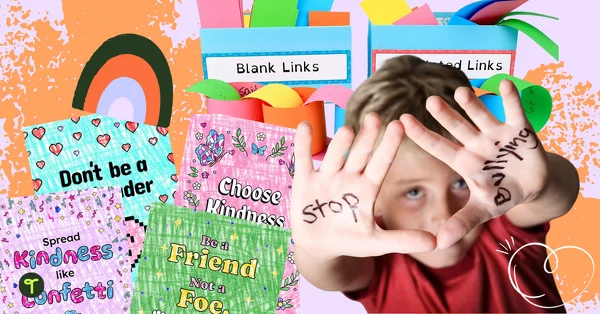
Everyone deserves to feel safe, respected, and valued. Whether you are walking through the hallways at school, scrolling through social media at home, or hanging out at the local park, kindness should be the norm. Unfortunately, bullying remains a significant issue that affects millions of students across the United States. This is exactly why bullying prevention month exists—to shine a spotlight on this critical issue and encourage everyone to take a stand for kindness.
In this guide, we are going to dive deep into what this month is all about. We will look at why it started, the different forms bullying takes, and most importantly, what you can do to stop it. Whether you are a student, a parent, or a teacher, understanding the power of unity is key. By coming together during bullying prevention month, we can create lasting change that extends far beyond just thirty days.
Key Takeaways
- Awareness is Key: Understanding the different types of bullying helps us identify and stop it.
- Unity Matters: Bullying prevention month is about communities coming together to say “enough is enough.”
- Actionable Steps: There are real, practical things students and adults can do to intervene safely.
- Digital Safety: Cyberbullying is a major focus, requiring new strategies for online safety.
- Resources Exist: Help is available for both victims and those who exhibit bullying behaviors.
What is Bullying Prevention Month and Why Does It Matter?
Bullying prevention month is a nationwide campaign held every October in the United States. It was founded in 2006 by PACER’s National Bullying Prevention Center. Initially, it started as a week-long event, but it quickly became clear that a single week wasn’t enough time to address such a complex and widespread problem. Now, the entire month is dedicated to raising awareness and educating communities about the harmful effects of bullying.
The primary goal of bullying prevention month is to transform a culture of cruelty into one of kindness. It is a time when schools, organizations, and individuals wear orange to show their support for students who have been bullied. The color orange sends a vibrant, visible message that we care about safe environments. It matters because silence is often a bully’s best friend. When we talk openly about these issues, we take away the power of fear and isolation that victims often feel.
Beyond just wearing colors, this month is about education. Many people still have misconceptions about what bullying actually is. Some might think it’s just “kids being kids” or a “rite of passage.” Bullying prevention month challenges these outdated ideas. It uses data and personal stories to show that bullying can lead to serious mental health struggles, academic decline, and even physical harm. It’s a call to action for everyone to step up and be a hero in their own community.
Understanding the Different Types of Bullying
Bullying isn’t just one thing. It’s not always the stereotypical image of a bigger kid stealing lunch money on the playground. To effectively participate in bullying prevention month, we need to understand the various forms this behavior takes. Recognizing the signs is the first step toward intervention.
Physical Bullying
This is the most visible form of bullying. It involves hurting a person’s body or possessions. It includes hitting, kicking, tripping, pinching, and pushing or damaging property. While it is easier to spot than other types, it can be terrifying for the victim. Schools often have strict zero-tolerance policies for physical aggression, but it can still happen in less supervised areas like bathrooms or locker rooms.
Verbal Bullying
Verbal bullying is saying or writing mean things. It includes teasing, name-calling, inappropriate sexual comments, taunting, and threatening to cause harm. The old saying “sticks and stones may break my bones, but words will never hurt me” is completely false. Verbal bullying can leave deep emotional scars that last for years, damaging self-esteem and confidence.
Social (Relational) Bullying
Social bullying, sometimes referred to as relational aggression, involves hurting someone’s reputation or relationships. This type is sneakier and harder to catch. It includes leaving someone out on purpose, telling other children not to be friends with someone, spreading rumors about someone, or embarrassing someone in public. It is very common in middle school and high school social circles.
Cyberbullying
In our digital age, this has become a massive problem. Cyberbullying takes place over digital devices like cell phones, computers, and tablets. It can occur through SMS, Text, and apps, or online in social media, forums, or gaming where people can view, participate in, or share content. Bullying prevention month places a huge emphasis on digital citizenship because online harassment follows students home, leaving them no safe space to escape.
The Startling Statistics: Why We Need Action Now
Numbers often speak louder than words when it comes to understanding the scope of a problem. The statistics surrounding bullying in the United States are eye-opening and underscore why bullying prevention month is so vital.
- Prevalence: About 20% of students ages 12-18 experienced bullying nationwide.
- Reporting: Only about 46% of students who are bullied notify an adult at school.
- Bystanders: More than half of bullying situations (57%) stop when a peer intervenes on behalf of the student being bullied.
- Cyberbullying: approximately 15% of students ages 12–18 reported being bullied online or by text.
These numbers tell us a story. They tell us that while bullying is common, peer intervention is incredibly powerful. If students feel empowered to speak up, the rates of bullying can drop significantly. This data drives the programming and educational materials used during bullying prevention month.
The Role of Schools During Bullying Prevention Month
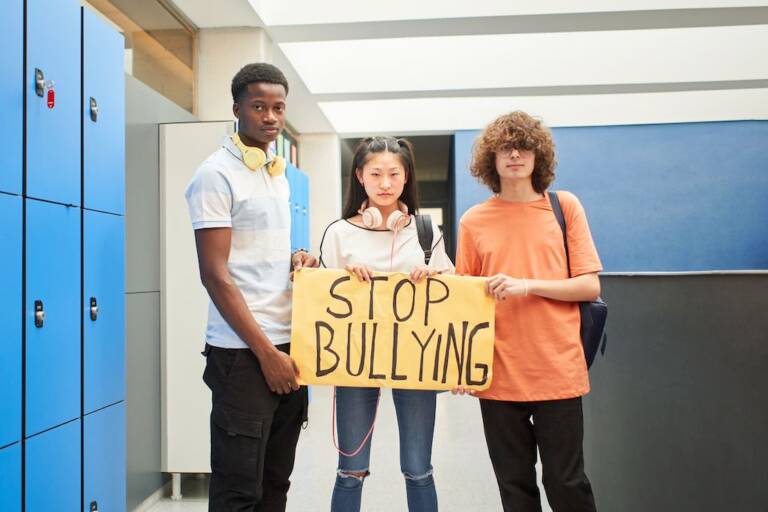
Schools are the frontline in the battle against bullying. During bullying prevention month, educational institutions across the country roll out specific programs designed to foster a positive school climate. It is not just about punishing bad behavior; it is about rewarding kindness and inclusivity.
Teachers often incorporate lessons about empathy into their curriculum during October. They might have students write essays about a time they helped someone or create art projects that celebrate diversity. Assemblies are also common, where guest speakers share their experiences and motivate students to be “upstanders” rather than bystanders. An upstander is someone who sees bullying happening and does something safe to stop it or support the victim.
School counselors play a huge role during this time as well. They might host lunch groups to help students make new friends or offer open office hours for anyone feeling unsafe. By making bullying prevention month a school-wide event, administrators send a clear message: this is a safe zone, and harassment will not be tolerated. It creates a unified front where students know exactly who to turn to if they are struggling.
How Students Can Be Upstanders, Not Bystanders
One of the most powerful messages of bullying prevention month is that students have the power to stop bullying. You don’t have to be the biggest or loudest person in the room to make a difference. Being an upstander is about small acts of courage.
Safe Ways to Intervene
- Don’t Join In: If you see someone being teased, do not laugh or encourage the behavior. Your silence effectively supports the bully.
- Support the Victim: If you don’t feel safe confronting the bully, wait until the situation is over and go talk to the victim. meaningful phrases like “I’m sorry that happened” or “I don’t agree with what they said” can make a world of difference.
- Get an Adult: This is not “snitching.” Snitching is trying to get someone in trouble; reporting is trying to keep someone safe. If you see physical violence or severe threats, find a teacher immediately.
- Distract: Sometimes, changing the subject or creating a distraction can diffuse a tense situation. You can ask the victim a random question to draw their attention away from the bully.
These actions might seem small, but they shift the power dynamic. Bullies often crave an audience. When the audience refuses to participate or actively supports the victim, the bully loses their power. This concept of peer advocacy is a cornerstone of effective prevention strategies.
The Impact of Cyberbullying in the Digital Age
We cannot talk about bullying prevention month without addressing the internet. Social media platforms like Instagram, TikTok, and Snapchat connect us, but they can also be weaponized. Cyberbullying is unique because it can happen 24/7. A student can be harassed in their own bedroom at midnight, making them feel like there is no escape.
Cyberbullying can also be anonymous, which emboldens people to say things they would never say to someone’s face. During bullying prevention month, experts emphasize “Digital Citizenship.” This involves teaching students to think before they post. A good rule of thumb is T.H.I.N.K.: Is it True? Is it Helpful? Is it Inspiring? Is it Necessary? Is it Kind?
If you are experiencing cyberbullying, the advice is different than face-to-face conflict. Do not respond to the bully, as this is often what they want. Instead, screenshot the evidence, block the user, and report the behavior to the platform and a trusted adult. Keeping a record is crucial for schools or police to take action if necessary.
Signs a Student is Being Bullied
Parents and teachers need to be detectives sometimes. Kids often don’t want to admit they are being bullied because they feel ashamed or fear retaliation. Knowing the warning signs is essential for early intervention, a key theme of bullying prevention month.
Emotional and Behavioral Changes
- Unexplainable injuries: Cuts, bruises, or scratches that the child cannot explain.
- Lost or destroyed items: Coming home without books, electronics, or clothes, or having them damaged.
- Changes in eating habits: Skipping meals or binge eating. Kids might come home from school starving because they didn’t eat lunch to avoid the cafeteria.
- Sleep difficulty: Frequent nightmares or insomnia.
- School avoidance: Faking illness to stay home, or sudden intense anxiety about going to school.
Academic Shifts
- Declining grades: A sudden drop in performance can indicate distraction or anxiety.
- Loss of interest: No longer wanting to participate in clubs or sports they used to love.
If you notice these signs, start a conversation gently. Do not demand to know “who did it” right away. Instead, ask open-ended questions about their day, who they sit with at lunch, and how they feel about school in general. Creating a safe space for dialogue is the first step toward getting them help.
How to Get Involved in Bullying Prevention Month
You don’t have to wait for your school to organize something. Individuals can take the lead in celebrating bullying prevention month. Here are some ideas to get you started in your community or friend group.
Wear Orange on Unity Day
Unity Day is the signature event of the month. Everyone is encouraged to wear orange to show solidarity. You can organize a “sea of orange” at your school or workplace. You can even sell orange ribbons to raise money for anti-bullying charities.
Start a Kindness Challenge
Create a calendar for October where every day has a different kindness task.
- Day 1: High-five 3 people.
- Day 2: Sit with someone new at lunch.
- Day 3: Write a thank-you note to a teacher.
- Day 4: Post a positive comment on social media.
Educate Yourself and Others
Use the month to read books or watch documentaries about bullying. Share what you learn. You can write an article for your school paper or create a poster for the hallway. Information is power, and sharing facts about bullying prevention month helps dispel myths.
Bullying Prevention Month Resources
|
Organization Name |
Focus Area |
Website/Resource Type |
|---|---|---|
|
PACER’s National Bullying Prevention Center |
General prevention, disabilities, and advocacy |
Website with toolkits and guides |
|
StopBullying.gov |
Federal resources, laws, and policies |
Government database and training modules |
|
The Trevor Project |
LGBTQ+ youth support and crisis intervention |
24/7 Crisis line and chat services |
|
Cyberbullying Research Center |
Online safety and digital citizenship |
Research papers and parent guides |
These organizations work year-round, not just in October. They provide the backbone for the activities we see during bullying prevention month. Whether you need legal advice, mental health support, or just a printable flyer, these hubs are excellent places to start.
Addressing Bullying Students with Compassion
It is easy to villainize the child doing the bullying, but bullying prevention month also encourages us to look at the root causes. Children who bully others are often struggling themselves. They might be witnessing aggression at home, struggling with their own self-esteem, or lacking the social skills to handle conflict appropriately.
This does not excuse the behavior, but it informs the solution. Punishing a bully without addressing why they are acting out often leads to more bullying. Restorative justice practices are becoming popular in schools. This involves mediated conversations where the bully must listen to the victim and understand the impact of their actions.
By teaching empathy and emotional regulation to those who bully, we stop the cycle. We need to help them find positive ways to feel powerful and accepted. True prevention involves healing both the victim and the aggressor.
The Link Between Mental Health and Bullying
The consequences of bullying go far deeper than a bad day at school. There is a strong, proven link between bullying and mental health issues. Research consistently shows that students who are bullied are at increased risk for depression, anxiety, sleep difficulties, and lower academic achievement.
During bullying prevention month, mental health professionals often highlight these risks to underscore the urgency of the issue. For some students, the trauma of bullying can persist into adulthood. It can affect their ability to trust others and form healthy relationships later in life.
Conversely, a supportive environment acts as a buffer. When students feel connected to their school and supported by adults, the negative impacts of bullying are reduced. Promoting mental wellness is inherently tied to preventing bullying. Schools that prioritize mental health resources often see a decrease in bullying incidents because students have healthy outlets for their stress and emotions.
Parental Guidance: How to Talk to Your Teens
Parents often feel helpless when their child is involved in bullying, whether as a victim or an aggressor. Bullying prevention month offers a perfect opening to have these difficult conversations. You don’t need to wait for a crisis to talk about it.
Conversation Starters
- “I saw a post about bullying prevention month today. Does your school do anything for that?”
- “What do you think is the hardest part about dealing with drama at school?”
- “If you saw someone being mean online, what would you do?”
Listen More than You Talk
When your teen opens up, resist the urge to jump in with solutions immediately. Validate their feelings. Say things like, “That sounds really tough,” or “I’m so glad you told me.” If they admit to being bullied, reassure them that it is not their fault. If they admit to being mean to others, stay calm and ask them what was going on in that moment to make them act that way.
Legal Protections and School Policies
Did you know that all 50 states in the US have anti-bullying laws? During bullying prevention month, it is a good idea to familiarize yourself with your local laws and your specific school’s policy.
Most laws require schools to have a formal procedure for reporting and investigating bullying. They often define what constitutes harassment and outline the consequences. Knowing your rights empowers you. If a school is not taking a bullying situation seriously, parents can refer to these laws to demand action.
For more detailed information on specific topics and terminology, you can explore resources like Wikipedia. For example, understanding the sociological aspects can be helpful, and you can find a broad overview here: https://en.wikipedia.org/wiki/Bullying. This knowledge ensures that when you advocate for your child, you are standing on firm legal and educational ground.
Moving Beyond October: Year-Round Prevention
While bullying prevention month is a fantastic catalyst, kindness shouldn’t have an expiration date. The energy and awareness generated in October need to be sustained throughout the year.
Schools can keep the momentum going by maintaining student-led kindness clubs or regular assemblies. Families can keep the conversation alive at the dinner table. The goal is to make the principles of bullying prevention month—inclusion, respect, and safety—part of the daily fabric of our lives.
We must remember that culture change takes time. One month of wearing orange won’t fix everything overnight. However, it plants the seeds of change. By nurturing those seeds every day, we grow a society where everyone feels like they belong.
Conclusion
Bullying prevention month is more than just a date on the calendar; it is a movement toward a kinder world. It reminds us that our words and actions have power. We have explored the different types of bullying, from physical to cyber, and looked at the statistics that prove we have work to do. We have also discussed actionable steps for students, parents, and schools to take.
Remember, you have the power to change the narrative. Whether you choose to be an upstander, a listener, or an advocate, your contribution matters. Let’s use this month to commit to bettering ourselves and our communities. Let’s ensure that every student can walk into school without fear. For more insights on lifestyle, community, and wellness topics that can help you navigate these challenges, be sure to visit https://forbesplanet.co.uk/. Together, we can make bullying a thing of the past.
Frequently Asked Questions (FAQ)
1. When is bullying prevention month?
Bullying prevention month is observed every October in the United States. Key events, like Unity Day, usually happen toward the middle or end of the month.
2. What is the color for bullying prevention?
The official color is orange. Wearing orange represents a united front against bullying and a commitment to kindness and inclusion.
3. Is cyberbullying considered “real” bullying?
Absolutely. Cyberbullying can be just as damaging, if not more so, than face-to-face bullying because it can happen 24/7 and reach a wide audience instantly.
4. What should I do if my child is the bully?
Stay calm and don’t shame them. Talk to them to understand the “why” behind their behavior. Work with the school and possibly a counselor to help them learn better social and emotional skills.
5. How can I report bullying anonymously?
Most schools have anonymous reporting boxes or digital forms on their websites. You can also use services like “Crime Stoppers” in some areas or specific apps endorsed by your school district.
6. Does bullying prevent prevention month actually help?
Yes, studies show that awareness campaigns significantly increase the likelihood of students intervening and reporting bullying. It sets a standard for acceptable behavior that helps change school culture over time.
Stay Informed With the Latest & Most Important News
Previous Post
Next Post











Advertisement