

Now Reading: The Ultimate Guide to the Legendary Career of Bill Belichick
-
01
The Ultimate Guide to the Legendary Career of Bill Belichick

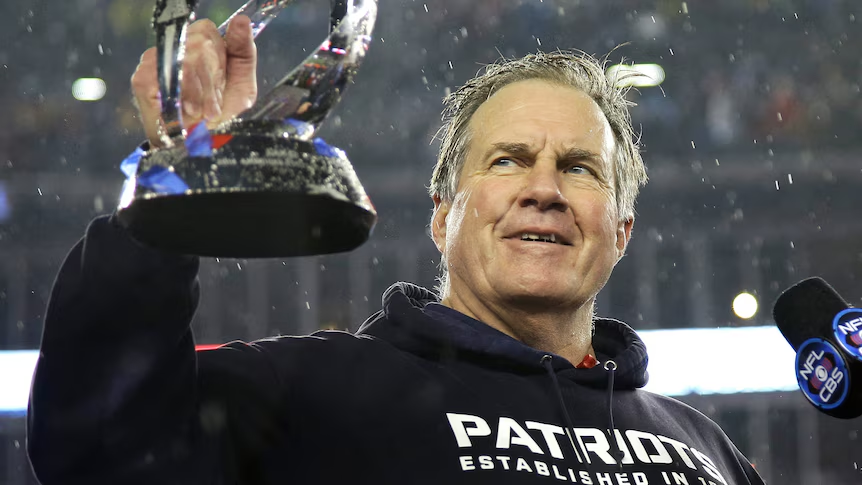
Bill Belichick is a name that instantly commands respect in the world of American football. Whether you are a die-hard fan of the New England Patriots or someone who just casually watches the Super Bowl, you have likely heard of the man often seen wearing a cutoff hoodie on the sidelines. His impact on the National Football League (NFL) is undeniable, spanning decades of dominance and strategic brilliance. But who is the man behind the grumpy demeanor and the championship rings?
In this article, we are going to explore the life and career of one of the greatest coaches in sports history. We will look at his early days, his rise to power, and the specific strategies that made him a household name. This isn’t just a list of stats; it’s a look at how dedication and intelligence can change a game forever.
Key Takeaways:
- Legacy of Winning: Bill Belichick holds the record for the most Super Bowl wins as a head coach.
- Strategic Genius: He is known for his defensive mind and ability to adapt his game plan specifically for each opponent.
- The Patriot Way: Belichick established a unique team culture focused on discipline and “doing your job.”
- Longevity: His career spans over four decades in the NFL, influencing countless other coaches and players.
Who Is Bill Belichick?
To understand the legend, we have to start with the basics. Bill Belichick was born in Nashville, Tennessee, in 1952. Football was in his blood from the very beginning. His father, Steve Belichick, was a longtime assistant coach and scout for the United States Naval Academy. Growing up, Bill didn’t just play catch in the backyard; he was learning how to break down game film before most kids were learning algebra. This early exposure to the technical side of the game gave him a massive head start.
He wasn’t just a spectator; he was a student of the game. He attended Wesleyan University, where he played football, lacrosse, and squash. While he wasn’t an NFL-caliber athlete, his mind was already operating at a professional coaching level. After graduating, he immediately jumped into coaching, taking low-level jobs just to get his foot in the door. It wasn’t about glamour for him; it was about learning every single aspect of how a football team operates.
Those early years were crucial. They taught him the value of hard work and preparation. He learned that games aren’t won on Sunday afternoon; they are won in the meeting rooms on Tuesday and on the practice fields on Wednesday. This foundational belief in preparation would become the hallmark of every team coached by Bill Belichick.
Early Coaching Career: Before the Patriots Dynasty
Before he became the face of the New England Patriots, Bill Belichick had to pay his dues. His journey started in 1975 with the Baltimore Colts as a special assistant. It wasn’t a glamorous job. He was essentially a gofer, doing whatever was asked of him for very little pay. But he was in the building, and that’s what mattered. He soaked up information like a sponge, learning about player evaluation and game management.
He later moved on to the Detroit Lions and eventually the Denver Broncos. However, his career really began to take shape when he joined the New York Giants in 1979. He started on special teams but quickly impressed head coach Bill Parcells. Parcells recognized Belichick’s keen eye for defensive strategy and promoted him to defensive coordinator. This was the break he needed.
During his time with the Giants, he crafted defensive game plans that are still studied today. The highlight was Super Bowl XXV against the Buffalo Bills. The Bills had an incredibly high-powered offense, but Belichick devised a plan to slow them down, leading the Giants to a massive upset victory. That game plan is widely considered one of the best coaching performances in NFL history and put Bill Belichick on the map as a defensive genius.
The Cleveland Browns Era: A Learning Experience
After his success in New York, Bill Belichick got his first shot as a head coach with the Cleveland Browns in 1991. This period is often looked back on with mixed feelings. He was young, intense, and trying to implement a very strict system in an organization that wasn’t quite ready for it. He had some success, including a playoff win in 1994, but his tenure was also marked by controversy and friction with the media and fans.
One of the most notable (and controversial) moves he made was benching popular quarterback Bernie Kosar. It was a decision that turned the city against him. While it showed that he wasn’t afraid to make tough choices, it also highlighted a lack of public relations savvy at the time. The Browns eventually moved to Baltimore (becoming the Ravens), and Belichick was let go.
However, many experts argue that his time in Cleveland was essential for his future success. Failure is often the best teacher. In Cleveland, he learned how to manage a roster, deal with the salary cap, and handle the administrative side of being a head coach. He took those hard lessons and refined his approach. When he eventually got his second chance, the Bill Belichick we know today was ready to emerge.
Joining the New England Patriots
In 2000, a series of events led Bill Belichick to the New England Patriots. The hiring process itself was actually quite dramatic, involving a resignation from the New York Jets after only one day as their head coach. Once the dust settled, he arrived in New England with a clear vision. He wanted to build a team that was smart, tough, and disciplined.
The franchise he inherited wasn’t a powerhouse. They were a middle-of-the-road team looking for direction. Belichick immediately set about changing the culture. He brought in players who fit his specific system—guys who might not have been superstars elsewhere but were intelligent and versatile. He wasn’t looking for the best athletes; he was looking for the best football players.
His first season wasn’t a fairytale. The team went 5-11, and people were skeptical. But behind the scenes, the foundation was being poured. He was drafting players like Richard Seymour and Matt Light, and most importantly, he had drafted a quarterback in the sixth round named Tom Brady. No one knew it at the time, but the pieces of the greatest dynasty in NFL history were falling into place right there in Foxborough.
The Rise of Tom Brady and Bill Belichick
You cannot tell the story of Bill Belichick without talking about Tom Brady. Their partnership is the most successful coach-quarterback duo in the history of the sport. It started in 2001 when starting quarterback Drew Bledsoe got injured. Belichick made the bold decision to stick with the young, unproven Brady even after Bledsoe was healthy. It was a risky move that could have cost him his job if it failed.
Instead, it led to a Super Bowl victory that very season. Brady was the perfect extension of Belichick on the field. He was disciplined, accurate, and incredibly smart. Belichick provided the elite defensive schemes and situational coaching, while Brady executed the offense with surgical precision. They trusted each other completely.
Over two decades, they evolved together. As the NFL rules changed to favor passing, Belichick adapted his team, and Brady put up record-breaking numbers. They didn’t just win one championship; they won six together. It was a symbiotic relationship where both men made the other better, creating a standard of excellence that may never be matched again.
The “Patriot Way” Explained
We often hear about the “Patriot Way,” but what does it actually mean? At its core, it is the philosophy implemented by Bill Belichick that emphasizes the team over the individual. It’s about selflessness. In New England, it didn’t matter if you were a rookie or a ten-year veteran; you were expected to put the team’s goals ahead of your own personal stats or glory.
Another huge part of this philosophy is the mantra “Do Your Job.” It sounds simple, but it is profound. Belichick didn’t want players trying to be heroes and doing things outside of their assignment. He wanted the defensive end to set the edge, the linebacker to fill the gap, and the safety to cover deep. If everyone simply did their specific job correctly, the entire system would work perfectly.
This culture allowed the Patriots to be incredibly consistent. They rarely beat themselves with penalties or mental errors. While other teams had locker room drama or players complaining about their contracts, Belichick’s teams were usually focused strictly on football. It created an environment where winning was the only thing that mattered, and players who didn’t buy in were quickly shipped out.
Defensive Genius: Why He is Different
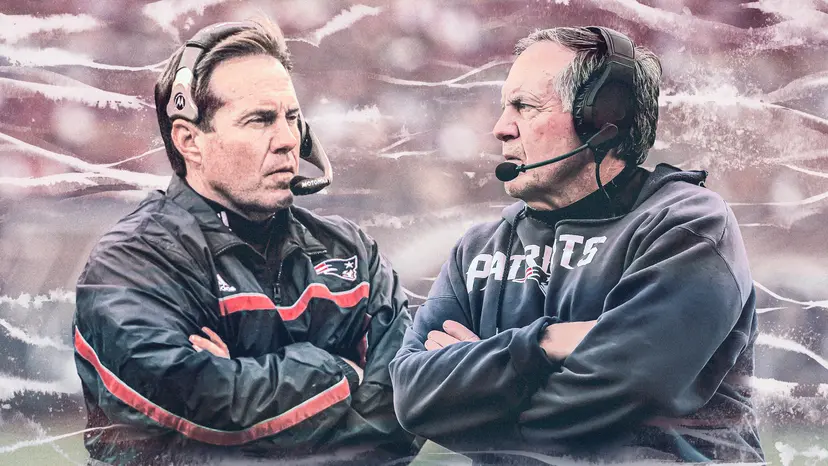
While he has had success in all phases of the game, Bill Belichick is a defensive coach at heart. His ability to dismantle an opposing offense is legendary. What makes him different is his willingness to change his strategy completely from week to week. Most coaches have a “system” they stick to. Belichick has a game plan tailored to the specific weaknesses of his opponent.
For example, if he is playing a team with a great running back, he might put eight guys near the line of scrimmage to stop the run, daring the quarterback to throw. The very next week, facing a great quarterback, he might drop eight guys into coverage to confuse the passing lanes. This flexibility is incredibly difficult for players to master, which is why he prioritizes intelligence in his roster.
He is also a master of the “unscouted look.” He loves to show an offense a defensive formation they have never seen on tape before. This causes confusion and hesitation, leading to turnovers and sacks. His deep knowledge of football history allows him to pull concepts from decades ago and repurpose them for the modern game, keeping offenses guessing constantly.
Super Bowl Success and Records
The resume of Bill Belichick is staggering. The numbers speak for themselves and paint a picture of dominance that is hard to comprehend in a league designed for parity. The NFL salary cap and draft are meant to prevent one team from winning all the time, yet Belichick found a way to win consistently for nearly 20 years.
Here is a quick look at his major accomplishments as a head coach:
- Super Bowl Titles: 6 (XXXVI, XXXVIII, XXXIX, XLIX, LI, LIII)
- Super Bowl Appearances: 9
- Division Titles: 17 (AFC East)
- Conference Championships: 9
- Regular Season Wins: Over 300
These aren’t just numbers; they represent years of grinding work. Winning one Super Bowl is the pinnacle of a career for most coaches. Winning six is statistical madness. His ability to rebuild his team on the fly, replacing retiring stars with new talent while keeping the team in championship contention, is arguably his greatest achievement.
Controversies: Spygate and Deflategate
No career as long and successful as this one comes without some bumps in the road. Bill Belichick has been at the center of two major NFL controversies: “Spygate” and “Deflategate.” These incidents have led some critics to question the integrity of the Patriots’ dynasty, while supporters dismiss them as blown out of proportion.
“Spygate” occurred in 2007 when the Patriots were disciplined by the league for videotaping the New York Jets’ defensive coaches’ signals from an unauthorized location. Belichick was fined $500,000, and the team was fined and lost a draft pick. He admitted to the mistake but argued it was a misunderstanding of the rules regarding where you could film, not if you could film.
“Deflategate” happened after the 2014 AFC Championship game, involving allegations that footballs were under-inflated to make them easier to grip. This led to a long legal battle and a suspension for Tom Brady. Belichick maintained that he had no knowledge of any ball deflation. While these events are part of history, they haven’t stopped him from being recognized as a brilliant coach.
Leadership Style: Tough Love
If you were to describe the leadership style of Bill Belichick, “warm and fuzzy” would not be the words you use. He is known for being demanding, blunt, and unsentimental. He rarely praises players publicly, preferring to keep them humble and focused on improvement. In film sessions, he is famous for critiquing everyone, including Tom Brady, ensuring that no one feels above the team.
However, many former players speak of him with immense respect. They appreciate that he is always honest with them. He doesn’t sugarcoat things. If you are playing poorly, he will tell you. If he thinks you are declining, he will cut you or trade you, even if you are a fan favorite. This ruthlessness is actually seen as fairness by many players because it means the best players will play, regardless of salary or reputation.
He also cares deeply about the history of football and has a softer side that occasionally comes out. He has been known to be very supportive of players dealing with personal issues and is highly respected by his coaching peers. His leadership is about results, accountability, and earning your spot every single day.
Coaching Tree: The Belichick Influence
Because of his success, other NFL teams are constantly trying to hire his assistant coaches, hoping to capture some of that magic. This has created what is known as the “Belichick Coaching Tree.” Many of his former assistants have gone on to become head coaches themselves, including Josh McDaniels, Matt Patricia, Brian Flores, and Bill O’Brien.
Interestingly, his coaching tree has had mixed results. While some have had success, many have struggled to replicate what Bill Belichick did in New England. This suggests that the “Patriot Way” is not something you can just copy and paste into another building. It requires the specific presence and authority of Belichick himself to work effectively.
Despite the mixed record of his disciples, his influence is everywhere. You see his defensive concepts used by college and pro teams across the country. You see teams trying to emulate his roster-building strategies. He has fundamentally changed how the sport is coached and managed.
Life After Tom Brady
After Tom Brady left the Patriots in 2020 to join the Tampa Bay Buccaneers, Bill Belichick faced a new challenge: winning without his star quarterback. This period has been scrutinized heavily by fans and media. The 2020 season was a struggle, as the team dealt with salary cap issues and a lack of offensive weapons.
However, Belichick didn’t rebuild in the traditional way. He spent heavily in free agency and drafted a new quarterback, Mac Jones, in the first round. The team returned to the playoffs in 2021, proving that Belichick could still field a competitive team. Although the subsequent seasons had ups and downs, his defensive units remained elite.
This era is important for his legacy. It proves that while Brady was a huge part of the success, Belichick wasn’t just riding his coattails. He is still a capable coach who can build a tough, competitive roster. The narrative of “who deserves more credit” will likely be debated forever, but the post-Brady years showed that Belichick is still a grinder who refuses to give up.
Interesting Facts About Bill Belichick
Beyond the sidelines, there are some fascinating tidbits about the man that make him more relatable.
- The Boat Name: He owns a boat which he renames specifically based on his Super Bowl wins. It has been named VI Rings, VII Rings, and VIII Rings (counting his wins as an assistant coach).
- Lacrosse Lover: He is a huge fan of lacrosse and played it in college. He has often said it is his favorite sport other than football.
- History Buff: He has a massive library of football books and possesses an encyclopedic knowledge of the game’s history, dating back to the leather helmet days.
- No Madden: Unlike many modern coaches, he doesn’t care for video games like Madden NFL. He prefers old-school film study.
Comparison Table: Belichick vs. Other Legends
To truly appreciate his dominance, let’s look at how Bill Belichick stacks up against other legendary NFL coaches.
|
Coach |
Super Bowl Wins |
Playoff Wins |
Years Coached |
Known For |
|---|---|---|---|---|
|
Bill Belichick |
6 |
31 |
29+ |
Defensive adaptation, Consistency |
|
Chuck Noll |
4 |
16 |
23 |
Building the Steel Curtain dynasty |
|
Bill Walsh |
3 |
10 |
10 |
Inventing the West Coast Offense |
|
Joe Gibbs |
3 |
17 |
16 |
Winning with 3 different QBs |
|
Don Shula |
2 |
19 |
33 |
Most regular season wins ever |
As you can see, in terms of postseason success—which is ultimately how coaches are judged—Belichick stands alone at the top of the mountain.
Frequently Asked Questions (FAQ)
Q: How many Super Bowls has Bill Belichick won in total?
A: He has won a total of eight Super Bowl rings. Six as the head coach of the New England Patriots and two as the defensive coordinator for the New York Giants.
Q: Did Bill Belichick ever play in the NFL?
A: No, he did not play professionally. He played college football at Wesleyan University, a smaller Division III school, before moving immediately into coaching.
Q: What is his relationship with Tom Brady like now?
A: Despite media rumors of tension when Brady left, both men have spoken highly of each other since. They have expressed mutual respect and acknowledged that they could not have achieved their success without one another.
Q: Will Bill Belichick make the Hall of Fame?
A: Absolutely. He is considered a lock for the Pro Football Hall of Fame as soon as he becomes eligible after his retirement.
Q: Why does he wear the cutoff hoodies?
A: It started as a comfort thing. He wanted free range of motion for his arms and didn’t care about looking fashionable. It has since become his iconic signature look.
Conclusion
The story of Bill Belichick is one of obsession, intelligence, and an unwavering commitment to excellence. From his humble beginnings breaking down film with his father to standing on the podium as a six-time Super Bowl champion head coach, his journey is unique in American sports. He turned the New England Patriots from an afterthought into the envy of the league.
While his methods can be harsh and his personality prickly, you cannot argue with the results. He mastered the salary cap era, adapted to rule changes, and consistently outsmarted his peers. Whether you love him or hate him, you have to respect the mastery he has shown over the game of football. For more insights into sports legends and success stories, be sure to visit Forbes Planet.
As his career winds down, we are reminded that we are witnessing history. There will likely never be another coach with the longevity and success of Bill Belichick. He didn’t just coach the game; he changed it. And that is the true mark of a legend.
Related Posts


Stay Informed With the Latest & Most Important News
Previous Post
Next Post











Advertisement