

Now Reading: The B Jacobs Theatre: A Broadway Legend on West 45th Street
-
01
The B Jacobs Theatre: A Broadway Legend on West 45th Street

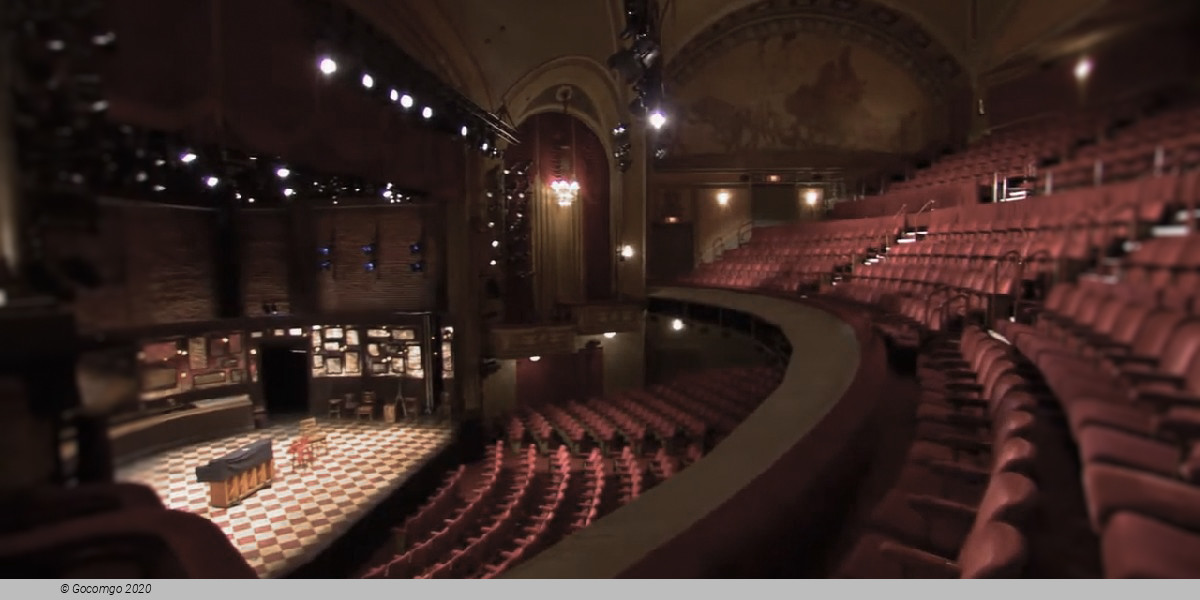
Step into the heart of New York City’s Theatre District, and you’ll find a venue steeped in history and theatrical magic: the B Jacobs Theatre. For nearly a century, this iconic playhouse has been a cornerstone of Broadway, hosting some of the most celebrated plays and musicals ever to grace the stage. From its elegant design to the ghosts of performances past, the theatre is more than just a building; it’s a living monument to the art of live performance.
This article will guide you through the storied past and vibrant present of this Broadway gem. We will explore its stunning architecture, uncover the legendary productions that have called it home, and provide all the practical information you need to plan your own visit. Whether you’re a seasoned theatregoer or a curious first-timer, the story of the B Jacobs Theatre is a captivating chapter in the grand narrative of Broadway.
Key Takeaways
- The B Jacobs Theatre, originally the Royale Theatre, opened in 1927 and is one of Broadway’s most historic venues.
- It was renamed in 2005 to honor Bernard B. Jacobs, a long-serving president of the Shubert Organization.
- The theatre is known for its intimate atmosphere, with a seating capacity of just over 1,000, offering excellent views from nearly every seat.
- It has hosted a wide range of iconic productions, from classic dramas by Tennessee Williams to blockbuster musicals like Grease and Once.
- Located on West 45th Street, it is surrounded by other famous theatres, restaurants, and New York City landmarks.
The Storied History of the B Jacobs Theatre
Every great theatre has a story, and the B Jacobs Theatre’s tale is as dramatic as any play performed on its stage. Its journey began during the Roaring Twenties, a boom time for Broadway, when new theatres were popping up all over the district.
From the Royale to the B Jacobs
The theatre first opened its doors on January 11, 1927, as the Royale Theatre. Designed by the prolific theatre architect Herbert J. Krapp, it was built by the Chanin brothers as part of a three-theatre complex that also included the Majestic and the Theatre Masque (now the John Golden Theatre). The very first production at the Royale was a musical comedy called Piggy.
For decades, the Royale Theatre established itself as a premier destination for high-quality drama and musicals. It became a beloved fixture on West 45th Street, weathering the Great Depression and the changing tides of popular entertainment. In 1930, the Shubert Organization, one of the titans of American theatre, took control of the venue, cementing its place in their powerful portfolio.
The name change came much later. In 2005, the Shubert Organization decided to honor one of its most influential leaders, Bernard B. Jacobs. Jacobs served as the president of the organization from 1972 until his death in 1996. Alongside his partner, Gerald Schoenfeld, he was credited with revitalizing Broadway and saving it from a period of decline. Renaming the historic Royale the B Jacobs Theatre was a fitting tribute to a man who dedicated his life to the stage.
Herbert J. Krapp: The Architect Behind the Magic
You cannot discuss the history of the B Jacobs Theatre without paying homage to its creator, Herbert J. Krapp. As the house architect for the Shubert Organization for many years, Krapp was one of the most important figures in shaping the physical landscape of Broadway. He designed or redesigned more than 40 theatres in New York City alone.
Krapp’s Signature Style
Krapp’s design philosophy was revolutionary for its time. He believed that a theatre’s layout should prioritize audience comfort and sightlines. He pioneered the use of a “democratic” seating plan, moving away from the European opera house model with its many private boxes. Instead, he favored a large orchestra section and a single balcony, ensuring that more patrons had a clear, unobstructed view of the stage. This approach made theatre more accessible and enjoyable for everyone.
The Interior of the B Jacobs Theatre
The interior of the B Jacobs Theatre is a perfect example of Krapp’s genius. The decor is relatively restrained compared to some of his more opulent creations, featuring a Spanish-inspired motif with murals by the Hungarian artist Willy Pogany. The auditorium feels remarkably intimate, despite its capacity of 1,078. The color palette of warm golds, deep reds, and rich woods creates a welcoming and elegant atmosphere. The shallow balcony and wide proscenium arch mean that even seats in the back row feel connected to the action on stage. This intimacy has made it a favorite venue for actors and directors alike, especially for plays that benefit from a close connection with the audience.
Landmark Productions That Graced the Stage
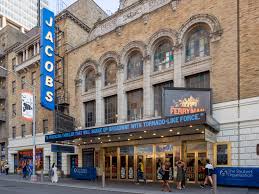
A theatre is ultimately defined by the productions it houses. Over its long history, the B Jacobs Theatre has been home to an incredible array of groundbreaking and beloved shows. It has launched careers, won countless Tony Awards, and created lasting memories for millions of theatregoers.
Classic Dramas and Comedies
In its early years as the Royale, the theatre became known for presenting serious and important dramatic works.
- Tennessee Williams: The legendary playwright premiered his play The Night of the Iguana here in 1961.
- Arthur Miller: His powerful drama A View from the Bridge had a notable run at the Royale.
- Neil Simon: America’s king of comedy staged several hits here, including The Star-Spangled Girl and Plaza Suite.
These productions cemented the theatre’s reputation as a house for “straight plays,” meaning non-musical dramas and comedies.
Memorable Musicals
While it has a strong history with plays, the B Jacobs Theatre has also hosted some of Broadway’s most successful musicals.
- Grease: The original Broadway production of this rock-and-roll classic had a long and celebrated run at the Royale in the 1970s, becoming one of the longest-running shows in Broadway history at the time.
- Once: This heartfelt, modern musical captured the hearts of audiences and critics, winning the 2012 Tony Award for Best Musical during its residency at the Jacobs.
- Company: A recent, gender-swapped revival of Stephen Sondheim’s classic musical won the Tony Award for Best Revival of a Musical while playing at the theatre.
The versatility of the stage has allowed it to seamlessly transition from gritty dramas to show-stopping musical numbers, showcasing its enduring appeal. For more insights into the business side of entertainment, resources like those found at https://forbesplanet.co.uk/ can offer a deeper look into industry trends.
A Look at Notable Performances and Stars
The stage of the B Jacobs Theatre has been graced by some of the biggest names in entertainment history. From Hollywood legends making their Broadway debuts to seasoned stage veterans giving career-defining performances, the list of stars is truly staggering.
Hollywood Royalty on Broadway
Over the years, the theatre has attracted numerous film stars eager to test their skills on the live stage.
- Al Pacino delivered a powerhouse performance in The Basic Training of Pavlo Hummel, for which he won a Tony Award.
- Lauren Bacall starred in the hit comedy Cactus Flower.
- Hugh Jackman led the cast of the play A Steady Rain alongside Daniel Craig.
The intimacy of the B Jacobs Theatre makes it an ideal venue for audiences to see these famous faces up close, experiencing their craft in a way that film and television cannot replicate.
Tony-Winning Triumphs
Countless actors have received Tony Award nominations and wins for their work at the Jacobs. Patti LuPone’s unforgettable performance as Joanne in the 2021 revival of Company earned her a Tony for Best Featured Actress in a Musical. The entire ensemble of Once was praised for its unique actor-musician dynamic, contributing to the show’s massive success. These acclaimed performances are woven into the very fabric of the building, adding to its legendary status.
The Shubert Organization’s Crown Jewel
The B Jacobs Theatre is a key property within the Shubert Organization’s extensive portfolio. As the largest and most powerful theatre owner on Broadway, the Shubert Organization plays a crucial role in determining which shows get produced and where they play.
Who are the Shuberts?
Founded in the late 19th century by three brothers—Sam, Lee, and Jacob J. Shubert—the organization grew to dominate the American theatre industry. Today, they own and operate 17 Broadway theatres, including the B Jacobs Theatre. Their influence extends beyond real estate; they are also active producers and co-producers of many of the shows that play in their venues.
The Importance of the B Jacobs
Within this empire, the B Jacobs Theatre holds a special place. Its medium size makes it incredibly versatile. It’s large enough to support the financial demands of a musical but intimate enough to provide the perfect setting for a powerful drama. This flexibility makes it one of the most sought-after houses on Broadway. Producers know that securing a spot at the Jacobs gives their show an immediate stamp of prestige.
Planning Your Visit to the B Jacobs Theatre
A trip to see a show at the B Jacobs Theatre is an essential New York experience. To make your visit as smooth and enjoyable as possible, it helps to plan ahead.
Location and How to Get There
The theatre is located at 242 West 45th Street, right in the thick of the Theatre District, between Broadway and 8th Avenue. This central location makes it easily accessible.
- Subway: The closest subway station is Times Square-42nd Street, which serves numerous lines (1, 2, 3, 7, N, Q, R, W, S). The 42nd Street-Port Authority Bus Terminal station (A, C, E) is also just a short walk away.
- Bus: Many city bus routes run through the Times Square area.
- Car: Driving and parking in the Theatre District can be challenging and expensive. It is generally recommended to use public transportation. If you must drive, there are several parking garages in the vicinity, but be sure to check their rates, as they can be very high, especially during showtimes.
Seating Chart and Best Seats
The B Jacobs Theatre has two levels: the Orchestra and the Mezzanine. With just over 1,000 seats, there are very few “bad” seats in the house.
|
Section |
Pros |
Cons |
Best For |
|---|---|---|---|
|
Center Orchestra |
Close to the stage, immersive experience. |
Can be very expensive; rows too close may require looking up. |
Experiencing facial expressions and fine details. |
|
Side Orchestra |
More affordable than center; still excellent views. |
Far side seats may have slightly angled views. |
A great balance of price and proximity. |
|
Front Mezzanine |
Excellent panoramic view of the entire stage. |
Can feel slightly removed from the action. |
Seeing choreography and full-stage visuals. |
|
Rear Mezzanine |
Most affordable ticket option. |
Can feel distant; sightlines may be partially blocked by the overhang. |
Budget-conscious theatregoers. |
The consensus among theatre lovers is that the front mezzanine offers the best overall value, providing a complete view of the stage without the high price tag of the front orchestra seats.
Beyond the Curtain: The Neighborhood
A visit to the B Jacobs Theatre is more than just seeing a show; it’s an opportunity to soak in the electric atmosphere of Broadway. The area around the theatre is packed with things to see and do.
Pre-Theatre Dining
West 45th and 46th Streets are known as “Restaurant Row,” offering a dizzying array of dining options to fit every taste and budget.
- Sardi’s: A legendary institution known for the celebrity caricatures that line its walls. It’s a classic spot for a pre-theatre meal.
- Joe Allen: Another famous theatre hangout, known for its casual American comfort food and posters of Broadway flops.
- Carmine’s: A family-style Italian restaurant perfect for large groups.
Be sure to make reservations, as these restaurants get extremely busy before curtain time.
Nearby Attractions
The theatre’s location puts you steps away from some of New York’s most famous landmarks.
- Times Square: The dazzling “Crossroads of the World” is just around the corner.
- Shubert Alley: This famous pedestrian alley, running between 44th and 45th Streets, is the symbolic heart of Broadway.
- Other Theatres: The B Jacobs is part of “Theatre Row,” surrounded by other historic venues like the Majestic, the Booth, and the Minskoff.
The Future of the B Jacobs Theatre
As Broadway continues to evolve, the B Jacobs Theatre remains a vital part of its landscape. The venue consistently books some of the most anticipated new shows and revivals. Its combination of historic charm, excellent acoustics, and ideal location ensures that it will continue to be a top choice for producers, performers, and audiences for generations to come. The legacy of Bernard B. Jacobs lives on, not just in the name on the marquee, but in the vibrant artistic life that thrives within its walls.
Frequently Asked Questions (FAQ)
Q1: What is the B Jacobs Theatre best known for?
The B Jacobs Theatre is known for its elegant yet intimate design by Herbert J. Krapp and its history of housing a mix of prestigious plays and hit musicals. It is particularly well-regarded as a venue for dramas due to its excellent sightlines and acoustics, which foster a strong connection between the performers and the audience.
Q2: How many seats are in the B Jacobs Theatre?
The theatre has a seating capacity of 1,078, which is considered a medium-sized house on Broadway. This size makes it versatile enough for both plays and musicals while maintaining an intimate feel.
Q3: Is there a dress code for the B Jacobs Theatre?
There is no official dress code for Broadway theatres, including the B Jacobs Theatre. While some patrons enjoy dressing up for the occasion, you will see everything from formal wear to casual attire. The general recommendation is “smart casual,” but the most important thing is to be comfortable.
Q4: Is the theatre accessible for patrons with disabilities?
Yes, the B Jacobs Theatre is equipped to accommodate patrons with disabilities. The orchestra level is accessible without stairs. There are designated wheelchair and companion seating locations, and accessible restrooms are available. It is always best to call the box office directly when booking to discuss specific accessibility needs.
Q5: Can I bring food or drinks into the B Jacobs Theatre?
Typically, only drinks and snacks purchased at the theatre’s concession stands are allowed into the auditorium. Outside food and beverages are generally prohibited. Most shows sell drinks in special lidded cups to prevent spills.
Related Posts



Stay Informed With the Latest & Most Important News
Previous Post
Next Post










Advertisement