

Now Reading: Tarnplanen: Your Ultimate Guide to Camouflage Tarps
-
01
Tarnplanen: Your Ultimate Guide to Camouflage Tarps

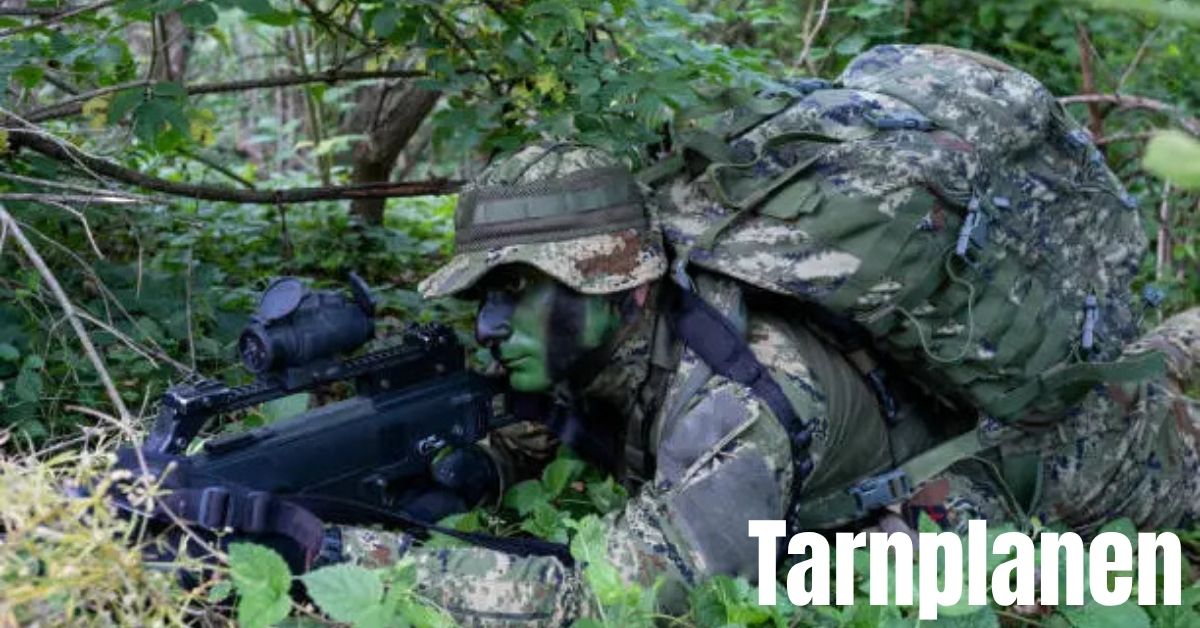
Have you ever wondered how people blend into their surroundings during outdoor activities like camping, hunting, or wildlife photography? A key piece of equipment they use is a special type of cover known as a tarnplanen. This term, which translates from German to “camouflage tarp,” refers to a versatile and durable sheet of material designed to conceal objects, people, or locations. Whether you’re an avid outdoorsman, a military enthusiast, or simply someone looking for a heavy-duty covering, understanding the world of tarnplanen can open up a range of possibilities for protection and concealment.
This guide will walk you through everything you need to know about these specialized tarps. We’ll explore their history, the different types available, what materials they are made from, and the many ways you can use them. By the end, you’ll be an expert on all things tarnplanen and ready to choose the perfect one for your needs.
Key Takeaways
- What is a Tarnplanen? It’s a camouflage tarp used for concealment and protection in various outdoor and tactical situations.
- Versatility is Key: These tarps are not just for the military; they are incredibly useful for camping, hunting, birdwatching, and even as garden covers.
- Material Matters: The effectiveness and durability of a tarnplanen depend heavily on its material, with options ranging from polyester and nylon to classic canvas.
- Choosing the Right Pattern: Camouflage patterns are scientifically designed to work in specific environments, so matching the pattern to your surroundings is crucial for effective concealment.
A Brief History of the Tarnplanen
The concept of camouflage is as old as nature itself, but its military application became widespread during World War I. The term tarnplanen gained prominence with the German military’s development of sophisticated camouflage patterns. One of the most famous early examples is the Zeltbahn 31, a multi-purpose, water-repellent canvas sheet issued to German soldiers. It could be used as a poncho, a groundsheet, or combined with others to create a multi-person tent. Its iconic Splittermuster (splinter pattern) was revolutionary for its time, breaking up the soldier’s silhouette effectively.
Over the decades, the technology behind the tarnplanen evolved significantly. The focus shifted from simple patterns to scientifically developed designs that mimic natural textures and trick the human eye. Post-war, these military-grade tarps found their way into the civilian market, where their durability and effectiveness were quickly recognized by outdoor enthusiasts. Today, the modern tarnplanen is a high-tech piece of gear, often made from lightweight, synthetic materials with advanced waterproof and UV-resistant properties.
What Are Tarnplanen Made Of?
The material of a tarnplanen is crucial to its performance. It determines its weight, durability, water resistance, and even how quietly it handles. Here are some of the most common materials used.
Polyester
Polyester is a popular choice for modern tarnplanen due to its excellent balance of properties. It is naturally hydrophobic, meaning it repels water very effectively. It also offers great resistance to UV radiation, so the color and pattern won’t fade quickly when exposed to sunlight. Polyester is strong, resistant to stretching and shrinking, and relatively affordable. A polyester tarnplanen is a reliable, all-around option for most general-purpose applications, from creating a shelter while camping to covering firewood in your backyard.
Nylon and Ripstop Nylon
Nylon is another synthetic powerhouse known for its exceptional strength-to-weight ratio. It’s often lighter than polyester but just as tough. A major advantage of nylon is its use in “ripstop” fabrics. Ripstop nylon has a special grid of thicker threads woven into the fabric. If a puncture or tear occurs, this grid prevents the damage from spreading, making it incredibly durable for rugged use. This feature makes a ripstop nylon tarnplanen a favorite among backpackers and survivalists who need gear that can withstand harsh conditions without adding much weight to their packs.
Canvas
Before the age of synthetics, canvas was the go-to material for tarps. Made from cotton or linen, canvas is incredibly tough and breathable. A waxed canvas tarnplanen is highly water-resistant and has a classic, rugged feel. While it is much heavier than its synthetic counterparts and requires more maintenance (like re-waxing), some people prefer it for its durability and silent handling—it doesn’t make the crinkling noises that plastics do. It’s an excellent choice for stationary hunting blinds or as a durable cover for equipment.
Types of Camouflage Patterns Explained
The “tarn” in tarnplanen means camouflage, and the pattern is what makes it effective. Camouflage is not just about splotches of green and brown; it’s a science. Patterns are designed to work in specific environments.
Woodland Patterns
This is the classic camouflage most people picture. Woodland patterns use a mix of green, brown, black, and tan in irregular shapes to mimic the floor of a temperate forest. They are designed to break up an outline among trees, leaves, and shadows. A woodland tarnplanen is ideal for hunting or camping in dense forests during the spring, summer, and early fall.
Desert Patterns
As the name suggests, desert patterns are designed for arid environments. They typically use a base of tan or light brown with smaller patches of darker brown and khaki. The goal is to blend in with sand, rock, and sparse, dry vegetation. Early desert patterns were simple, but modern versions incorporate more complex digital or “pixelated” shapes to better mimic the texture of desert terrain from various distances.
Digital Patterns
Digital camouflage, or “digi-camo,” uses small pixels of color rather than large organic splotches. The theory is that these small squares are better at tricking the human eye and brain. At a distance, the pixels merge to create a macro-pattern that blends with the surroundings, while up close, the small shapes mimic natural textures. The U.S. military’s Universal Camouflage Pattern (UCP) and the Marine Corps’ MARPAT are famous examples. A digital tarnplanen is a modern, effective choice for a variety of environments.
Snow Patterns
For winter conditions, a snow tarnplanen is essential. These are predominantly white with splotches of gray or black to mimic shadows, rocks, and bare branches sticking out of the snow. They provide excellent concealment in snow-covered forests or open tundra, making them perfect for winter hunting or military operations in alpine regions.
Practical Uses for Your Tarnplanen
The versatility of a tarnplanen is one of its greatest strengths. It’s a multi-tool that can serve countless purposes for anyone who spends time outdoors.
Building Emergency Shelters
In a survival situation, a shelter is a top priority. A tarnplanen can be quickly configured into various types of shelters. The simplest is a lean-to, created by tying one side to a pair of trees and staking the other to the ground. You can also form an A-frame tent by draping it over a ridgeline strung between two trees. Its waterproof nature keeps you dry, and the camouflage keeps you hidden if needed.
Hunting and Wildlife Observation
For hunters and wildlife photographers, staying unseen is critical. A tarnplanen can be used to construct a hunting blind, providing concealment from wary animals. You can drape it over branches or a frame to create a hidden viewpoint. It can also be used to cover your gear or even yourself, like a ghillie blanket, allowing you to blend seamlessly into the environment while you wait for the perfect shot.
Camping and Backpacking
Every camper and backpacker can benefit from a tarnplanen. It’s a lightweight alternative to a tent for those who prefer “tarp camping.” It can also be used as a groundsheet under your tent to protect it from moisture and sharp objects. Stringing one up over your cooking or sitting area creates a rain-proof common space, making your campsite much more comfortable in wet weather.
Other Everyday Uses
The usefulness of a tarnplanen extends beyond the wilderness.
- Garden Cover: Protect sensitive plants from frost or harsh sun.
- Equipment Cover: Shield your lawnmower, ATV, or boat from the elements.
- Vehicle Concealment: Cover a car or truck when parked for an extended period in a rural area.
- Picnic Blanket: Use it as a durable, waterproof picnic blanket that won’t get ruined by damp ground.

How to Choose the Right Tarnplanen
With so many options, picking the right tarnplanen can seem daunting. Consider these factors to make the best choice.
Comparing Tarnplanen Materials
|
Material |
Pros |
Cons |
Best For |
|---|---|---|---|
|
Polyester |
Waterproof, UV-resistant, affordable |
Can be noisy, less tear-resistant than ripstop |
General camping, gear covers |
|
Ripstop Nylon |
Very strong, lightweight, tear-resistant |
More expensive, can be slippery |
Backpacking, survival shelters |
|
Canvas |
Extremely durable, quiet, breathable |
Very heavy, requires maintenance (waxing) |
Stationary hunting blinds, bushcraft |
First, think about your primary use. A backpacker will prioritize low weight and choose ripstop nylon. Someone building a semi-permanent hunting blind might prefer the silence and durability of canvas. For general-purpose use, polyester offers a great balance of features and cost. As noted in resources like those on https://forbesplanet.co.uk/, matching your gear to your activity is paramount.
Next, consider the environment. Choose a camouflage pattern that matches the terrain where you’ll be most often. A woodland tarnplanen will stick out in a desert and vice-versa. Finally, check for features like reinforced grommets, loops, and seams. These small details make a big difference in how easily you can set up your tarp and how well it holds up under tension and wind.
Conclusion
The tarnplanen is far more than just a sheet of camouflaged fabric. It is a highly versatile tool rooted in a history of military innovation, now embraced by a wide range of civilians. From providing life-saving shelter in an emergency to offering simple, effective concealment for a wildlife photographer, its applications are nearly limitless. By understanding the different materials, patterns, and features available, you can select a tarnplanen that perfectly suits your needs. Whether you’re heading deep into the backcountry or just covering some equipment in your yard, a quality tarnplanen is a practical and valuable piece of gear to own.
Frequently Asked Questions (FAQ)
Q1: Is a tarnplanen completely waterproof?
Most modern tarnplanen made from polyester or nylon are highly water-resistant or fully waterproof, thanks to coatings like polyurethane (PU) or silicone. Canvas tarps are water-resistant when waxed but may soak through in prolonged, heavy rain if not properly maintained.
Q2: How do I clean and care for my tarnplanen?
For synthetic tarps, clean them with a soft sponge and mild soap and water. Avoid harsh detergents or machine washing, as this can damage the waterproof coating. Ensure the tarp is completely dry before folding and storing it to prevent mildew. For canvas, brush off dirt and re-wax it periodically to maintain water resistance.
Q3: What size tarnplanen should I get?
A 10×10 foot (or 3×3 meter) tarnplanen is a great all-purpose size. It’s large enough to create a comfortable one-person shelter but still reasonably lightweight and packable. For covering large items or creating group shelters, you’ll need a bigger size, such as 12×12 feet or larger.
Q4: Can I use a tarnplanen as a hammock?
No, it is not recommended. A tarnplanen is not designed to support body weight. The fabric, seams, and grommets would likely fail, leading to a fall and potential injury. Use a purpose-built hammock for sleeping or lounging.
Q5: Are military surplus tarnplanen a good option?
Yes, military surplus can be an excellent option. They are often built to very high standards of durability and can be cheaper than new commercial versions. However, be sure to inspect them for wear, tear, or degradation of the waterproof coating before purchasing.
Related Posts



Stay Informed With the Latest & Most Important News
Previous Post
Next Post









Advertisement