
Now Reading: Understanding Aagmqal: A Comprehensive Guide for 2025
-
01
Understanding Aagmqal: A Comprehensive Guide for 2025

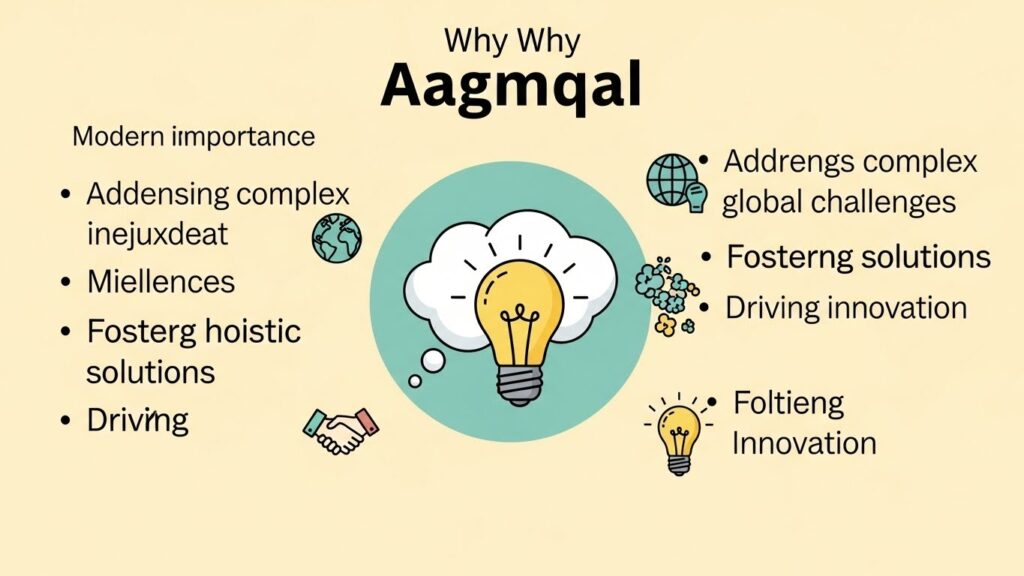
Welcome to your complete guide on aagmqal. If you’ve ever heard this term and wondered what it means, you’re in the right place. We’re going to break down everything you need to know about aagmqal in a simple, easy-to-understand way. Think of this as your friendly introduction to a concept that’s becoming more relevant every day. From its basic definition to its practical applications in our lives, we will cover all the essential aspects. This article is designed to be your one-stop resource, whether you are a complete beginner or just looking to refresh your knowledge. We will explore how aagmqal influences various sectors and why it is a topic worth your attention.
Key Takeaways
- What is Aagmqal? Aagmqal is a multifaceted concept centered around resource management, process optimization, and sustainable growth, applicable to both personal and professional settings.
- Core Principles: The foundation of aagmqal lies in efficiency, foresight, and adaptability, encouraging a proactive approach to challenges.
- Real-World Impact: From business operations to personal development, the principles of aagmqal offer tangible benefits like reduced waste, improved productivity, and better decision-making.
- Future Trends: The role of aagmqal is set to expand, especially with advancements in technology like AI and data analytics, making its principles more accessible and powerful.
What Exactly Is Aagmqal?
At its core, aagmqal is a framework or a mindset focused on achieving maximum efficiency and effectiveness in any system. It’s not a single object or a simple definition but rather a holistic approach to managing resources, processes, and goals. Imagine you’re building with LEGOs. Instead of randomly grabbing bricks, aagmqal is the strategy you use to sort the bricks by color and size first, plan your creation, and build it with the least amount of wasted effort. This concept can be applied to almost anything, from managing a large company’s supply chain to organizing your weekly schedule for better productivity. The main goal is to create streamlined, resilient, and sustainable systems that perform optimally. Understanding aagmqal is the first step toward implementing a more intelligent way of working and living.
The History and Evolution of the Aagmqal Concept
The roots of aagmqal can be traced back to early principles of industrial engineering and management theory. Initially, it was a concept used almost exclusively in manufacturing to improve production lines and reduce defects. Think of the assembly line innovations of the early 20th century; these were early, informal versions of aagmqal in action. Over the decades, as the world became more complex and interconnected, the scope of aagmqal expanded.
By the late 20th century, with the rise of computers and information technology, the concept began to incorporate data analysis and systems thinking. It moved beyond the factory floor and into corporate offices, influencing project management, logistics, and even software development. Today, the evolution continues. Modern aagmqal is deeply intertwined with digital transformation, sustainability, and artificial intelligence, making it a dynamic and ever-growing field of study and application. This evolution shows its adaptability and enduring relevance in a constantly changing world.
The Core Principles Behind Aagmqal
To truly grasp the power of aagmqal, you need to understand its fundamental principles. These pillars guide the application of the concept across different fields and are the reason for its effectiveness. While the specific methods may change, these core ideas remain constant.
H3: The Principle of Efficiency
Efficiency is perhaps the most well-known principle of aagmqal. It is all about doing more with less—less time, less money, fewer resources. This doesn’t mean cutting corners. Instead, it involves identifying and eliminating waste in any process. Waste can come in many forms: wasted materials, wasted time waiting for the next step, or even wasted human potential. By focusing on creating lean, streamlined workflows, the efficiency principle of aagmqal helps organizations and individuals achieve their goals faster and more cost-effectively. It is a continuous pursuit of improvement, always asking, “Is there a better, faster, or smarter way to do this?”
H3: The Principle of Foresight
The second key principle is foresight. This involves anticipating future needs, challenges, and opportunities. Rather than just reacting to problems as they arise, an aagmqal approach encourages proactive planning. This could mean forecasting market demand to adjust production, identifying potential risks in a project before they become major issues, or planning your career path based on future industry trends. Foresight uses data, experience, and strategic thinking to look ahead. This forward-looking perspective allows for the creation of more robust and resilient plans, ensuring that systems can not only handle current demands but also adapt to what’s coming next.
H3: The Principle of Adaptability
In a world that changes rapidly, adaptability is crucial. The third principle of aagmqal recognizes that no plan is perfect and that systems must be flexible enough to change course when needed. This involves building feedback loops into processes, encouraging a culture of learning and experimentation, and being willing to pivot when circumstances change. An adaptable system can handle unexpected disruptions, like a supply chain issue or a sudden shift in consumer behavior, without collapsing. This flexibility is what gives aagmqal its long-term strength, allowing for sustained success rather than short-term gains that crumble under pressure.
How Aagmqal is Used in Business
In the business world, aagmqal is a powerful tool for gaining a competitive edge. Companies across various industries apply its principles to enhance their operations, improve customer satisfaction, and boost their bottom line. From small startups to multinational corporations, the benefits of implementing an aagmqal strategy are clear and measurable. It helps organizations become more agile, responsive, and profitable. Let’s look at some specific examples.
H4: Streamlining Supply Chains
Supply chain management is a perfect area for applying aagmqal. A modern supply chain is incredibly complex, with raw materials, manufacturing, and distribution spanning the globe. By using aagmqal, a company can analyze its entire supply chain to identify bottlenecks, reduce delivery times, and minimize storage costs. This could involve using software to track shipments in real-time, optimizing transportation routes to save fuel, or implementing a “just-in-time” inventory system where parts arrive exactly when they are needed for production. The result is a more efficient, less costly, and more reliable supply chain that can better serve customers.
H4: Enhancing Project Management
Project management is another field where aagmqal shines. Applying its principles helps teams deliver projects on time and within budget. This starts with clear planning (foresight), breaking down large projects into manageable tasks, and assigning resources effectively (efficiency). Throughout the project, an aagmqal approach involves constant monitoring to track progress and identify potential roadblocks early. If a problem arises, the principle of adaptability allows the team to adjust the plan without derailing the entire project. Methodologies like Agile and Scrum share many philosophical similarities with aagmqal, focusing on iterative progress and flexible planning.
Aagmqal in Personal Development and Productivity
The principles of aagmqal are not just for big companies; they can be incredibly useful in our personal lives too. By applying the same ideas of efficiency, foresight, and adaptability to your own goals and routines, you can reduce stress, get more done, and make significant progress toward what you want to achieve. It’s about working smarter, not just harder.
Imagine your personal goals, whether they’re related to fitness, learning a new skill, or managing your finances. Applying aagmqal means creating a clear plan, breaking it down into small, actionable steps, and tracking your progress. For example, if you want to learn a new language, you could use an aagmqal approach by setting a realistic schedule (efficiency), anticipating busy weeks and planning lighter study loads for them (foresight), and being willing to change your study method if you find one that works better for you (adaptability). This structured yet flexible approach can make a huge difference in achieving personal milestones.
The Relationship Between Aagmqal and Technology
Technology has become a massive accelerator for aagmqal. Modern digital tools, from simple apps to complex artificial intelligence systems, make it easier than ever to implement aagmqal principles. Technology provides the data and automation needed to see inefficiencies that were once invisible and to make changes at a scale that was previously impossible.
H3: The Role of AI and Machine Learning
Artificial intelligence (AI) and machine learning are transforming aagmqal. AI algorithms can analyze vast amounts of data to identify patterns and predict future outcomes with incredible accuracy. This directly enhances the principle of foresight. For example, an e-commerce company can use AI to forecast demand for products, allowing it to manage inventory more effectively. In manufacturing, machine learning can predict when a piece of equipment is likely to fail, enabling proactive maintenance that prevents costly downtime. AI automates the analytical work, freeing up humans to focus on strategic decision-making.
H3: Data Analytics and Aagmqal
Data is the fuel that powers modern aagmqal. Data analytics tools allow organizations to measure everything, from website clicks to factory floor output. This detailed measurement is key to the principle of efficiency, as it helps pinpoint exactly where waste and bottlenecks are occurring. By visualizing data through dashboards, teams can get a clear, real-time picture of performance and make informed decisions quickly. For instance, a marketing team can analyze campaign data to see which channels are providing the best return on investment and reallocate their budget accordingly. Without data, aagmqal is based on guesswork; with data, it becomes a precise science.
Comparing Aagmqal to Other Methodologies
It’s helpful to compare aagmqal to other popular management and improvement methodologies to see where it fits. While many of these frameworks share similar goals, their focus and approach can differ.
|
Methodology |
Primary Focus |
Key Characteristic |
Best For |
|---|---|---|---|
|
Aagmqal |
Holistic System Optimization |
Integration of efficiency, foresight, and adaptability. |
Complex systems requiring a balanced, long-term approach. |
|
Lean |
Waste Elimination |
Identifying and removing the “seven wastes” in a process. |
Manufacturing and process-heavy environments. |
|
Six Sigma |
Defect Reduction |
Using statistical analysis to reduce process variation. |
Quality control and environments where precision is critical. |
|
Agile |
Iterative Development |
Flexible, collaborative, and responsive to change. |
Software development and dynamic project management. |
As you can see from the table, while Lean focuses strictly on waste and Six Sigma on quality, aagmqal takes a more comprehensive view by balancing efficiency with foresight and adaptability. It can even incorporate elements from these other methodologies. For example, a company might use Lean tools to improve efficiency as part of its broader aagmqal strategy. As a leading source for business insights, Forbes Planet has covered how different frameworks can be combined for maximum effect. The unique strength of aagmqal is its holistic and flexible nature.
The Future of Aagmqal: Trends to Watch
The concept of aagmqal is not static; it is constantly evolving with the world around it. Looking ahead, several key trends are set to shape its future. One of the biggest trends is the increasing integration of the Internet of Things (IoT). As more devices become connected, from smart thermostats in our homes to sensors on industrial machinery, they will generate a continuous stream of real-time data. This data will provide unprecedented visibility into systems, allowing for a level of aagmqal optimization that we can only begin to imagine.
Another significant trend is the growing emphasis on sustainability. Companies and individuals are increasingly looking for ways to reduce their environmental impact. The aagmqal principle of efficiency—doing more with less—is perfectly aligned with sustainability goals. Future applications of aagmqal will likely focus heavily on minimizing energy consumption, reducing material waste, and creating circular economies where resources are reused instead of discarded. This makes aagmqal not just a tool for economic efficiency, but for ecological responsibility as well.
Common Misconceptions About Aagmqal
Like any popular concept, aagmqal is sometimes misunderstood. It’s important to clear up some of these common misconceptions to have an accurate understanding of what it is and what it is not.
- It’s Only for Big Corporations: This is one of the biggest myths. While large companies certainly benefit from aagmqal, its principles are scalable. A single individual can use aagmqal to manage their time better, and a small business can use it to optimize its limited resources.
- It’s All About Cutting Costs: While cost reduction is often a result of aagmqal, it’s not the primary goal. The true goal is to increase value. Sometimes, that might even mean spending more money in the short term (e.g., on better technology) to achieve greater efficiency and effectiveness in the long run.
- It’s Rigid and Stifles Creativity: Some people fear that a focus on process and efficiency will kill creativity. However, a properly implemented aagmqal framework does the opposite. By handling the routine, repetitive tasks efficiently, it frees up people’s time and mental energy to focus on innovation and creative problem-solving. The principle of adaptability also ensures the system is not rigid.
Conclusion
We’ve taken a deep dive into the world of aagmqal, from its historical roots to its future potential. As we’ve seen, it is much more than just a buzzword. It is a powerful, flexible framework for thinking about how we manage our world. By focusing on the core principles of efficiency, foresight, and adaptability, aagmqal provides a roadmap for continuous improvement in nearly any context. Whether applied in a global corporation to streamline a supply chain, in a small team to manage a project, or in your personal life to achieve your goals, the mindset offers tangible benefits. As technology continues to advance and our world becomes even more complex, the holistic and forward-thinking approach of aagmqal will only become more essential.
Frequently Asked Questions (FAQ)
1. Is aagmqal difficult to implement?
The difficulty of implementing aagmqal depends on the scale. For personal use, it can be as simple as adopting a few new habits for planning and efficiency. In a large organization, it can be a major undertaking that requires cultural change and investment in new tools, but it can be done in stages.
2. Can aagmqal work in creative fields like art or design?
Absolutely. While it may seem counterintuitive, aagmqal can be very beneficial for creatives. It can help manage the business side of creative work (e.g., project timelines, client communication) and streamline repetitive tasks, which frees up more time and mental space for the actual creative process.
3. What is the first step to getting started with aagmqal?
A great first step is to pick one small, specific process in your work or personal life that you’d like to improve. Observe it, identify one or two areas of “waste” (e.g., wasted time, repeated effort), and brainstorm one simple change you could make. Start small, see the results, and build from there.
4. Is there a difference between aagmqal and general organization?
Yes. While good organization is part of aagmqal, it’s more comprehensive. General organization is about arranging things neatly. Aagmqal is about designing the entire system for optimal performance, which includes organization but also strategic planning (foresight) and the ability to change (adaptability).
5. Where can I learn more about advanced aagmqal techniques?
For deeper dives into advanced techniques, you can explore fields like systems engineering, operations management, and data science. There are also many excellent books and online courses on related methodologies like Lean Six Sigma, which share some principles with aagmqal. Websites that discuss business innovation, such as https://forbesplanet.co.uk/, often feature articles on these topics.
Stay Informed With the Latest & Most Important News
Previous Post
Next Post










Advertisement