
Now Reading: Toondex: Your Ultimate Guide to the World of Cartoons
-
01
Toondex: Your Ultimate Guide to the World of Cartoons


Welcome to the vibrant and exciting universe of cartoons! From classic Saturday morning shows to modern animated masterpieces, cartoons have a special place in our hearts. They make us laugh, teach us lessons, and transport us to fantastical worlds. But with so many characters, shows, and movies out there, how do you keep track of them all? This is where a toondex comes in. Think of it as your personal encyclopedia for everything animated. It’s a comprehensive guide designed to help you explore, discover, and learn about the countless characters and stories that make up the world of animation. Whether you’re a lifelong fan or just starting your animated journey, a toondex is the perfect companion.
A well-organized toondex can be an invaluable tool. It allows you to quickly look up information about a specific character, find out which series they belong to, or even discover new shows based on your interests. It’s more than just a list; it’s a curated collection of data that brings the animated world to your fingertips. This guide will walk you through what a toondex is, why it’s useful, and how you can create your own. We’ll explore its history, its modern digital forms, and its importance for fans, creators, and collectors.
Key Takeaways
- A toondex is a comprehensive, organized index or database of cartoon characters, shows, and related information.
- It serves as a valuable resource for fans, collectors, researchers, and creators to navigate the vast world of animation.
- Creating a personal toondex can enhance your viewing experience and help you track your favorite content.
- Digital tools like spreadsheets, dedicated apps, and online wikis have made creating and managing a toondex easier than ever.
- The concept is essential for preserving the history of animation and celebrating its cultural impact.
What Exactly is a Toondex?
At its core, a toondex is a systematic catalog of animated content. The term combines “toon” (a common slang for cartoon) and “index.” The purpose is to provide a structured and easily searchable collection of information about cartoons. This can include details about individual characters, the shows or films they appear in, the studios that created them, the voice actors who brought them to life, and much more. It’s a way to bring order to the wonderfully chaotic world of animation.
Imagine trying to remember every single character from a show with a massive cast. A toondex solves this problem by listing them all out, often with pictures and key details. It acts as a reference guide that you can turn to whenever you have a question. For example, if you want to know the name of a minor character who only appeared in one episode, a detailed toondex would have that information readily available. This makes it an essential resource for anyone who wants to dive deep into the lore and details of their favorite animated series.
The Origins of Indexing Cartoons
The idea of cataloging creative works is not new. Long before digital databases, fans and scholars created indexes for books, comics, and films. The practice of creating a toondex grew out of this tradition. Early forms were often personal, handwritten notebooks where fans would jot down character names, episode summaries, and their own thoughts. These notebooks were the analog predecessors to the sophisticated digital tools we use today. They were a labor of love, created by dedicated individuals who wanted to keep a personal record of the cartoons they cherished.
As animation grew in popularity throughout the 20th century, the need for more organized systems became apparent. Published guidebooks and encyclopedias began to appear, offering fans a professionally curated toondex for popular franchises. These books were filled with beautiful illustrations, character biographies, and behind-the-scenes facts. They became treasured items for collectors and provided a tangible way to connect with the animated worlds they loved. This laid the groundwork for the digital revolution that would transform how we access and organize information about cartoons.
Why a Toondex is an Essential Tool for Fans
For any dedicated fan of animation, a toondex is more than just a list—it’s a gateway to deeper engagement with the content you love. It allows you to move beyond passive viewing and become an active participant in the fandom. By keeping track of characters, episodes, and storylines, you can develop a much richer understanding of the animated universe. This organized approach helps you notice details, connections, and running gags that you might otherwise miss.
Using a toondex can also make you a more knowledgeable and respected member of fan communities. When discussing theories or trivia with other fans, having a reliable source of information at your disposal is invaluable. It can help you settle debates, answer questions, and contribute meaningfully to conversations. A well-maintained toondex is a testament to your passion and dedication, showcasing your expertise and love for the art form. It transforms your hobby into a more structured and rewarding pursuit, connecting you more deeply with the stories and characters that inspire you.
Tracking Your Viewing History
One of the most practical uses of a toondex is to keep a record of what you’ve watched. With hundreds of animated series and thousands of episodes available across various streaming platforms, it can be easy to lose track. Have you seen every episode of that classic series? Did you finish the latest season of that new show? A simple checklist in your toondex can answer these questions at a glance.
This is especially helpful for long-running series with complex narratives. By marking off episodes as you watch them, you can ensure you’re following the story in the correct order and not missing any important plot points. For those interested in exploring the complete works of a particular studio or creator, a toondex can serve as a roadmap, guiding you through their entire filmography. It’s a simple yet effective way to manage your viewing habits and make sure you get the most out of your time.
Deep Diving into Character Lore
A great toondex goes beyond simple checklists. It’s a place to compile detailed information about characters, their backstories, relationships, and development over time. This is where the real fun begins for many fans. You can create detailed profiles for your favorite characters, noting their first appearance, key personality traits, special abilities, and significant moments in their story arc.
This level of detail allows you to appreciate the nuances of character development and storytelling. For example, you can track how a character’s design has evolved over the years or document all the different voice actors who have played them. Compiling this information in your toondex creates a rich, personal database of lore that you can refer back to again and again. It enhances your appreciation for the craftsmanship that goes into creating memorable and enduring characters.
Building Your Own Personal Toondex
Creating your own toondex can be a fun and rewarding project. The first step is to decide on the scope. Do you want to catalog a single favorite show, an entire franchise, or every cartoon you’ve ever watched? Starting small is often a good idea. Pick one series and focus on building a comprehensive index for it. Once you’re comfortable with the process, you can expand your project to include more content.
Next, decide what information you want to include. A basic toondex might just list character names and the episodes they appear in. A more advanced one could include images, voice actor credits, personality descriptions, and links to fan theories or official art. The beauty of a personal toondex is that you can tailor it to your own interests. Think about what information you find most interesting and useful, and design your index around that. This project is for you, so make it something you’ll enjoy creating and using.
Toondex Information Categories
When building your database, a structured approach is key. Here are some common categories to consider including:
|
Category |
Description |
Example |
|---|---|---|
|
Character Name |
The official name of the character. |
Bugs Bunny |
|
Series/Film |
The primary show or movie the character is from. |
Looney Tunes |
|
First Appearance |
The episode or film where the character first appeared. |
A Wild Hare (1940) |
|
Voice Actor(s) |
The actor(s) who provided the character’s voice. |
Mel Blanc, Jeff Bergman, etc. |
|
Description |
A brief summary of the character’s personality and role. |
A clever, quick-witted rabbit known for his catchphrase. |
|
Key Relationships |
Connections to other characters (friends, rivals, family). |
Rivalry with Daffy Duck and Elmer Fudd. |
|
Image |
A visual reference for the character. |
A picture of the character. |
Tools for Creating Your Toondex
You don’t need fancy software to start your toondex. The right tool depends on your technical comfort level and how detailed you want your index to be.
1. The Classic Notebook
For a simple, tactile approach, a physical notebook and pen are all you need. This method is great for jotting down quick notes while you watch and allows for creative layouts with sketches and doodles. It’s personal and doesn’t require any technical skills.
2. Spreadsheets (Google Sheets, Excel)
Spreadsheets are a fantastic digital option. They allow you to create a structured toondex with sortable columns for different categories of information. You can easily search for data, add new entries, and even create separate tabs for different shows or franchises. The ability to filter and sort data makes spreadsheets a powerful tool for managing a large collection of information.
3. Dedicated Apps and Software
There are several apps designed for cataloging collections, which can be adapted for a toondex. Apps like Notion, Trello, or Airtable offer flexible database features, allowing you to create rich entries with images, tags, and detailed notes. These tools often sync across devices, so you can access your toondex from your phone, tablet, or computer.
4. Personal Wikis
For the truly dedicated, creating a personal wiki is the ultimate toondex solution. Using free wiki software, you can build your own private, searchable encyclopedia with interconnected pages for characters, episodes, and locations. This method requires a bit more technical setup but offers the most powerful and flexible way to organize a massive amount of information.
The Toondex in the Digital Age
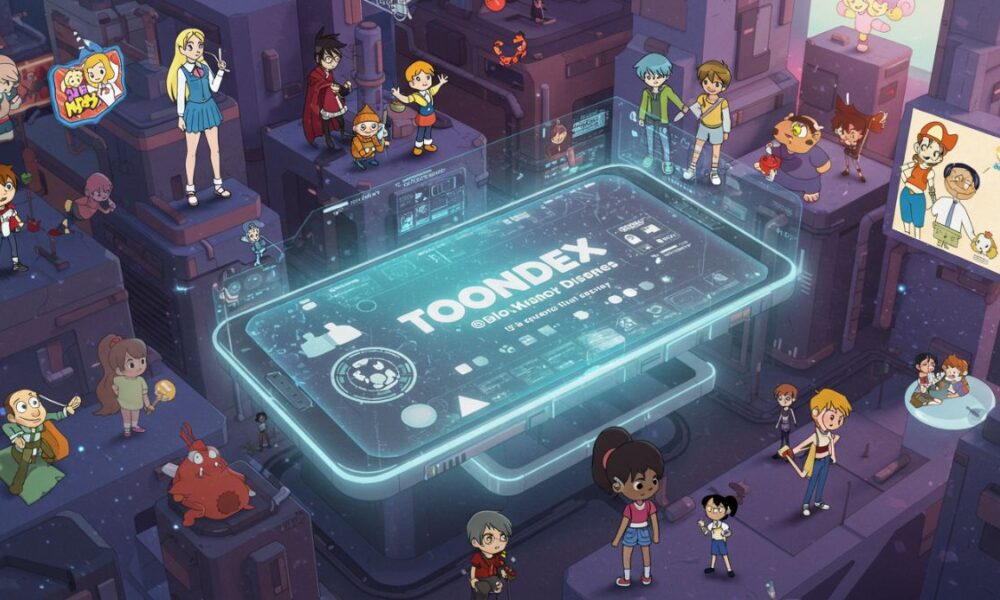
The internet has completely transformed the concept of the toondex. What was once a personal, private project has become a global, collaborative effort. Massive online wikis, managed by communities of fans, now serve as the definitive indexes for countless animated series. These platforms have become central hubs for fandoms, providing a depth of information that would be impossible for a single person to compile.
These digital resources are constantly updated by fans around the world, ensuring they remain current and comprehensive. A fan might watch a new episode and immediately add details about a new character or plot point to the wiki. This collaborative spirit has created an incredible network of shared knowledge, accessible to anyone with an internet connection. If you’re looking for information on a particular show, a quick search will likely lead you to a fan-run toondex wiki with everything you could ever want to know. For broader industry insights, platforms like those found at https://forbesplanet.co.uk/ can offer valuable context on the business and cultural trends shaping animation.
The Role of Fan-Made Wikis
Fan-made wikis are the heart and soul of the modern toondex. These websites are built and maintained by dedicated volunteers who pour countless hours into cataloging every detail of their favorite shows. They are a testament to the power of community and the passion that animation inspires. These wikis often become the most authoritative source of information available, surpassing even official sources in their level of detail.
The collaborative nature of these projects means that information is constantly being checked and corrected by other members of the community. This peer-review process helps to ensure accuracy and creates a reliable resource for everyone. Whether you’re a casual viewer looking up a quick fact or a researcher studying the history of a franchise, these fan-made wikis are an indispensable tool. They represent the ultimate expression of the toondex concept: a living, breathing database of animated knowledge created by and for the fans.
The Future of the Toondex
As technology continues to evolve, so too will the toondex. We may see the rise of AI-powered tools that can automatically scan episodes and generate detailed data about characters, scenes, and dialogue. Imagine an app that can identify any character on screen and instantly pull up their complete biography and history. This could make the process of cataloging animation more efficient and accessible than ever before.
Furthermore, the integration of augmented reality (AR) and virtual reality (VR) could create new, immersive ways to experience a toondex. You might one day be able to walk through a virtual gallery of your favorite characters or use your phone’s camera to bring up information about a character on a poster or toy. The possibilities are endless, but the core purpose of the toondex will remain the same: to help us explore, understand, and celebrate the incredible world of animation.
Conclusion
The toondex is a simple yet powerful concept that has evolved from handwritten notes to massive collaborative online encyclopedias. It is an essential tool for any animation enthusiast, providing a structured way to track, explore, and deepen one’s understanding of the animated universe. Whether you choose to build a personal index in a notebook or contribute to a global fan wiki, the act of cataloging connects you more deeply to the art form you love. It preserves the history of animation, celebrates the creativity of its makers, and strengthens the bonds within fan communities. So pick a favorite show, start your own toondex, and unlock a new level of appreciation for the magic of cartoons.
Frequently Asked Questions (FAQ)
Q1: What is the main purpose of a toondex?
A toondex is primarily used to organize and catalog information about cartoons. This includes details on characters, series, episodes, voice actors, and more, making it a comprehensive reference guide for fans and researchers.
Q2: Can I create a toondex for any cartoon?
Absolutely! You can create a toondex for any animated series, film, or franchise you are interested in. The scope is entirely up to you, from a single obscure show to a massive, well-known universe.
Q3: What are the best free tools for making a digital toondex?
Google Sheets or Microsoft Excel are excellent free options for creating a structured, spreadsheet-based toondex. For a more visual and flexible database, services like Notion and Airtable offer robust free plans that are perfect for this type of project.
Q4: Are online toondex wikis reliable?
Generally, yes. Major fan-run wikis are maintained by dedicated communities that are passionate about accuracy. While minor errors can occur, the collaborative nature of these platforms means that information is constantly being reviewed and corrected, making them highly reliable sources.
Q5: Why is it called a “toondex”?
The name is a portmanteau, a blend of the words “toon” (a common abbreviation for cartoon) and “index.” It directly describes its function as an index for cartoons.
Stay Informed With the Latest & Most Important News
Previous Post
Next Post











Advertisement