
Now Reading: Understanding Ethnocentrism: Why Perspective Matters
-
01
Understanding Ethnocentrism: Why Perspective Matters

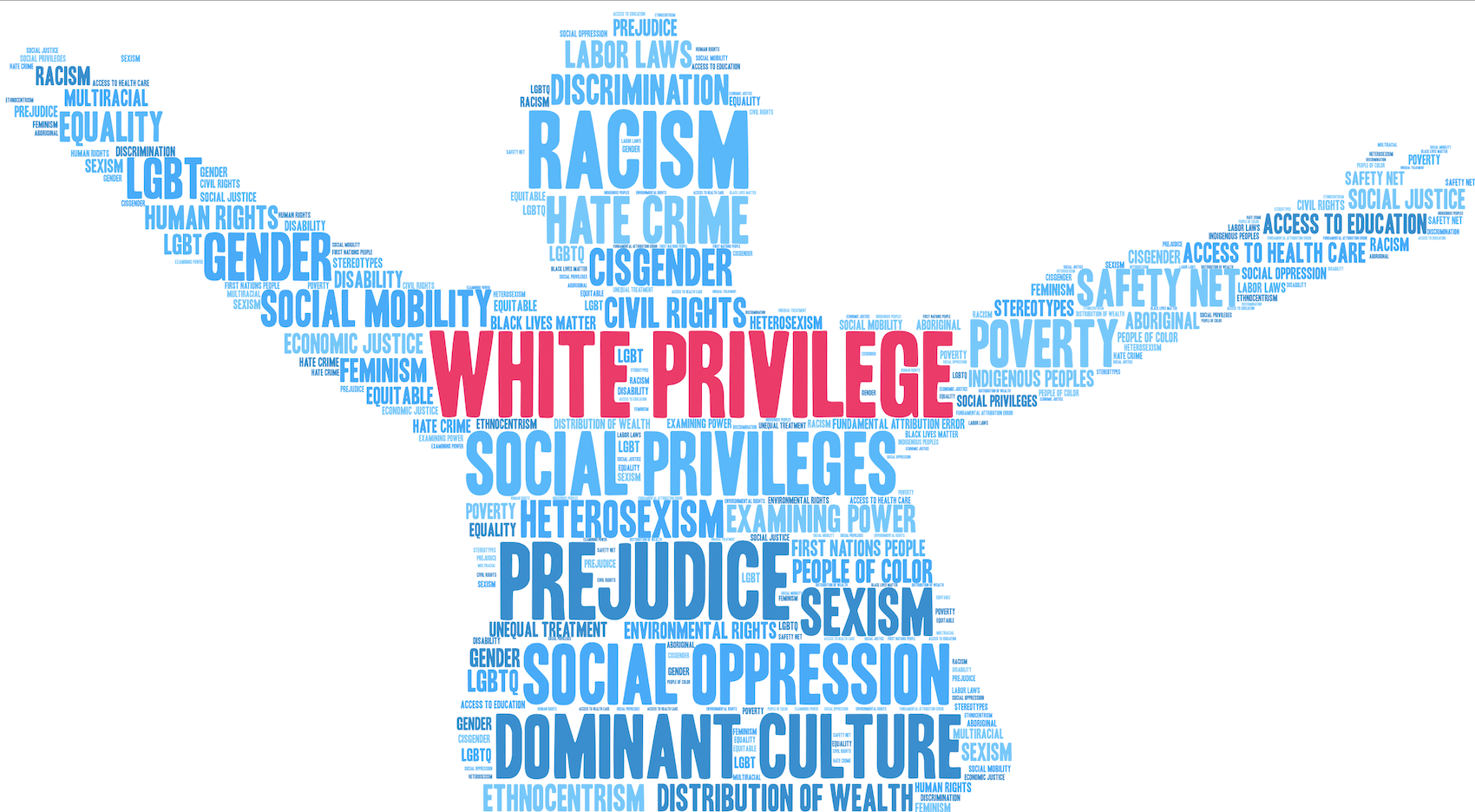
Thinking your way of doing things is the “right” way is a feeling most of us have experienced. Maybe you’ve visited a friend’s house and thought their dinner rules were strange, or traveled to a new place and felt confused by the local customs. This natural reaction has a name in sociology: ethnocentrism.
It is easy to judge others based on what we know best—our own culture. But when we let those judgments cloud our view of the world, we miss out on understanding the rich variety of human life. This article explores the deep roots of cultural bias, why it happens, and how we can move past it.
Key Takeaways
- Ethnocentrism is judging another culture solely by the values and standards of one’s own culture.
- It happens naturally but can lead to misunderstandings and conflict if unchecked.
- Examples range from food choices to business practices and language barriers.
- Overcoming it requires cultural relativism—trying to understand a culture on its own terms.
- Reducing bias leads to better communication and a more peaceful society.
What Is Ethnocentrism Exactly?
At its core, ethnocentrism is the belief that your own ethnic group or culture is superior to others. It is the tendency to view the world primarily from the perspective of your own culture. When someone is ethnocentric, they use their own cultural norms as a measuring stick to judge everyone else. If another group does things differently, an ethnocentric person might see those actions as wrong, strange, or backward.
This concept was first coined by sociologist William Graham Sumner in 1906. He described it as a view of things in which one’s own group is the center of everything, and all others are scaled and rated with reference to it. It is not always done out of malice. Often, it is simply because we are comfortable with what we know. We grow up learning specific rules about how to eat, speak, dress, and behave. When we see someone breaking those “rules,” our brain signals that something is off.
However, while it might be a natural human instinct to prefer the familiar, ethnocentrism can become dangerous when it turns into prejudice. It stops being just a preference and starts becoming a barrier between people. Understanding this definition is the first step toward seeing the world through a clearer lens.
The Psychology Behind Why We Are Ethnocentric
Why do humans do this? Why can’t we just accept that everyone is different? The answer lies deep in our psychology and history. For thousands of years, humans lived in small tribes. Trusting your own group (the “in-group”) and being wary of outsiders (the “out-group”) was a survival mechanism. If you stuck with your tribe, you were safe. If you trusted strangers too easily, you might be in danger.
Today, we don’t face the same survival threats, but that “us vs. them” mentality still lingers in our brains. We form strong identities based on our nationality, religion, or even sports teams. When our group is criticized or challenged, we feel defensive. This defensiveness fuels ethnocentrism. We want to believe our way is the best way because it makes us feel secure and validated in our choices.
Social identity theory suggests that we boost our self-esteem by thinking our group is better than others. It feels good to belong to the “winning” team or the “superior” culture. Recognizing that this is a psychological shortcut—not a fact—helps us catch ourselves when we start judging others too harshly.
Common Examples of Ethnocentrism in Daily Life
You might think you aren’t ethnocentric, but small examples pop up all the time. It isn’t always about big political issues; often, it is about the little things we do every day.
Food and Dining Habits
One of the most common places we see ethnocentrism is at the dinner table. In some cultures, it is polite to finish everything on your plate to show you enjoyed the meal. In others, leaving a little bit of food is a sign that the host provided enough. If you grew up in the “clean plate” culture, you might think people who leave food are wasteful or rude. Conversely, they might think you are greedy for eating every crumb.
Another example involves utensils. Using a fork and knife feels normal to many Westerners, while using chopsticks is standard in East Asia, and eating with hands is traditional in parts of India, the Middle East, and Africa. An ethnocentric view would be to look at someone eating with their hands and call it “dirty” or “uncivilized,” rather than understanding it as a valid and ancient cultural tradition.
Clothing and Fashion Choices
Clothing is another huge trigger for ethnocentrism. We often judge people by what they wear. If you see traditional dress from a culture you don’t know, you might think it looks like a “costume” rather than formal wear. For example, a Scottish kilt is formal attire for men in Scotland, but someone from another culture might find men wearing “skirts” laughable.
Similarly, views on modesty vary wildly. In some places, showing skin is normal and acceptable; in others, it is seen as disrespectful. Judging a woman for wearing a hijab (headscarf) as “oppressed” or judging a woman in a bikini as “immoral” are both examples of looking at the world through your own cultural lens instead of understanding the local context.
The Impact of Ethnocentrism on Business
In our global economy, ethnocentrism can be a business killer. Companies that try to expand into new countries often fail because they refuse to adapt. They assume that what worked in their home country will work everywhere else.
Marketing Failures
There are famous stories of marketing campaigns flopping because of cultural blindness. A company might use a color that represents death in one culture to sell a happy product. Or they might translate a slogan directly, only to find it means something offensive in the local language. When businesses act with ethnocentrism, they ignore the needs and values of the local customers.
Workplace Dynamics
Inside the office, this bias causes friction. If a manager expects direct eye contact as a sign of honesty (common in the US) but manages employees from a culture where avoiding eye contact is a sign of respect (common in parts of Asia), big misunderstandings happen. The manager might think the employee is hiding something, while the employee is actually trying to be respectful.
Successful global businesses, like those often analyzed on platforms such as Forbes Planet, understand that cultural intelligence is just as important as business strategy. They train their teams to recognize these differences rather than judging them.
Ethnocentrism vs. Cultural Relativism
To truly understand this topic, we have to look at its opposite: Cultural Relativism. While ethnocentrism says “my culture is the standard,” cultural relativism says “every culture has its own logic.”
What is Cultural Relativism?
Cultural relativism is the idea that a person’s beliefs and activities should be understood based on that person’s own culture, rather than be judged against the criteria of another. It doesn’t mean you have to agree with everything another culture does. It just means you try to understand why they do it before you judge.
A Comparison Table
|
Feature |
Ethnocentrism |
Cultural Relativism |
|---|---|---|
|
Core Belief |
My culture is superior and the correct standard. |
All cultures are valid and have their own logic. |
|
Reaction to Difference |
Judgment, shock, or disgust. |
Curiosity, understanding, and acceptance. |
|
Outcome |
Misunderstanding, conflict, prejudice. |
Empathy, cooperation, learning. |
|
Perspective |
Viewed from the “inside out” (my view is world view). |
Viewed from the context of the other culture. |
Adopting a relativistic mindset helps us navigate a diverse world without constant conflict. It allows us to appreciate differences rather than fear them.
Positive Aspects: Can Ethnocentrism Be Good?
Is ethnocentrism always bad? Surprisingly, sociologists say no. In small doses, a sense of cultural pride can be beneficial.
Social Cohesion and Patriotism
A certain level of belief in your own group creates social cohesion. It makes citizens willing to sacrifice for their country during tough times. It fosters patriotism and a sense of community. If everyone felt completely neutral about their own culture, we might lose the traditions and festivals that make life vibrant.
Preserving Traditions
Strong cultural pride helps protect traditions from disappearing. When people value their own heritage deeply, they work harder to teach their language to their children, cook traditional recipes, and keep their history alive. The key is balance. You can love your own culture without hating or looking down on others.
The Dangers of Extreme Ethnocentrism
While a little pride is healthy, extreme ethnocentrism leads to dark places. History is full of tragic examples where believing one group is superior led to violence.
Racism and Discrimination
When you truly believe your group is better, it becomes easy to treat others poorly. This leads to systemic racism, where laws and society are set up to favor one group over another. It justifies discrimination in hiring, housing, and justice.
War and Genocide
In its most extreme form, this belief fuels war. If you view another culture as “sub-human” or “wrong,” it is easier to justify attacking them. Many wars have been fought not just over land, but over whose way of life was “right.” Recognizing the signs of extreme bias is crucial for preventing these conflicts in the future.
Ethnocentrism in Media and Movies
The movies we watch and the news we read often reinforce ethnocentrism without us realizing it.
The “White Savior” Trope
In many Hollywood movies set in foreign lands, the local people are often depicted as helpless until a hero from the West arrives to save them. This reinforces the idea that Western culture is capable and superior, while other cultures are passive and in need of rescue.
Stereotyping Villains
Often, villains in movies are coded with traits from specific cultures—accents, clothing, or skin tone. This trains audiences to associate those cultural markers with “badness.” By critically analyzing the media we consume, we can spot these biases and refuse to accept them as truth.
How to Overcome Your Own Ethnocentrism
We all have biases. The goal isn’t to be perfect, but to be aware. Here are practical steps to broaden your worldview.
1. Educate Yourself
Read books and watch documentaries about other cultures. Not just the travel shows that focus on food, but history books that explain why societies developed the way they did.
2. Travel with an Open Mind
If you can travel, do it. But don’t just stay in the resort. Talk to locals. Eat where they eat. When you see something that shocks you, ask questions instead of making judgments. Ask, “What is the significance of this?” rather than saying, “That’s weird.”
3. Listen More
When someone from a different background shares their experience, listen to understand, not to argue. Accept their reality as valid, even if it’s different from yours.
Cultural Universals: What We All Share
Despite our differences, humans share many “cultural universals”—traits that exist in every culture on Earth. Focusing on these can reduce ethnocentrism.
- Family structures: Every culture has a system for organizing families and raising children.
- Language: Every culture uses complex language to communicate.
- Art and Music: Creative expression is a human need found everywhere.
- Mourning and Celebration: All cultures have rituals for birth and death.
When we focus on these shared human experiences, the differences in how we do them seem smaller. We realize we are all trying to solve the same human problems, just in different ways.
The Role of Education in Reducing Bias

Schools play a massive role in shaping how we see the world. If history class only focuses on one country’s achievements, students will naturally become ethnocentric.
Multicultural Education
Schools that teach world history, foreign languages, and diverse literature help students develop a global perspective early on. Learning that math was advanced by Arab scholars, or that paper was invented in China, helps students see that genius is not limited to one region.
Exchange Programs
Student exchange programs are powerful tools. Living with a host family breaks down stereotypes faster than any textbook can. It forces students to live by another culture’s rules, fostering deep empathy and reducing ethnocentrism.
Ethnocentrism in the Digital Age
The internet has connected us like never before, but has it reduced bias? The answer is complicated.
The Echo Chamber Effect
Social media algorithms often show us content that agrees with our existing views. This can create an “echo chamber” where we only hear opinions from people like us. This reinforces our belief that our way is the only way, actually increasing ethnocentrism.
Exposure to Diversity
On the flip side, the internet allows us to see the daily lives of people on the other side of the planet. We can watch vlogs from rural Vietnam or read tweets from activists in Brazil. If we curate our feeds intentionally, the digital age offers the best chance we’ve ever had to defeat cultural bias.
Conclusion
Ethnocentrism is a natural part of human psychology, but it is a hurdle we must overcome to live in a peaceful, connected world. It starts with the small realization that “different” does not mean “wrong.” Whether it is understanding why someone eats with their hands, respects different holidays, or values community over individualism, opening our minds enriches our own lives.
By practicing cultural relativism and staying curious, we can move past judgment. We can appreciate the beautiful complexity of the human experience. The next time you feel that knee-jerk reaction to judge something unfamiliar, pause. Ask yourself if you are seeing the truth, or just your own reflection.
FAQ
What is a simple definition of ethnocentrism?
It is the belief that your own culture is the best and using it as a standard to judge other cultures.
Is ethnocentrism always negative?
Not always. A mild form can create patriotism and social bonding within a community. However, it becomes negative when it leads to prejudice, racism, or conflict.
How does ethnocentrism differ from racism?
Ethnocentrism is judging another culture based on your own cultural standards. Racism is the belief that inherent differences among human racial groups determine cultural or individual achievement, usually involving the idea that one’s own race is superior. They often overlap but are distinct concepts.
Can you give an example of ethnocentrism in schools?
Yes. If a school curriculum only teaches history from the perspective of one country and ignores the contributions of others, that is an ethnocentric curriculum. It teaches students that their country is the only one that matters.
How can I stop being ethnocentric?
Be curious! Learn about other cultures, travel if you can, ask questions respectfully, and try to view the world from perspectives other than your own. Awareness is the first step.
Stay Informed With the Latest & Most Important News
Previous Post
Next Post









Advertisement