
Now Reading: What is Odinism? A Guide to an Ancient Faith Reborn
-
01
What is Odinism? A Guide to an Ancient Faith Reborn

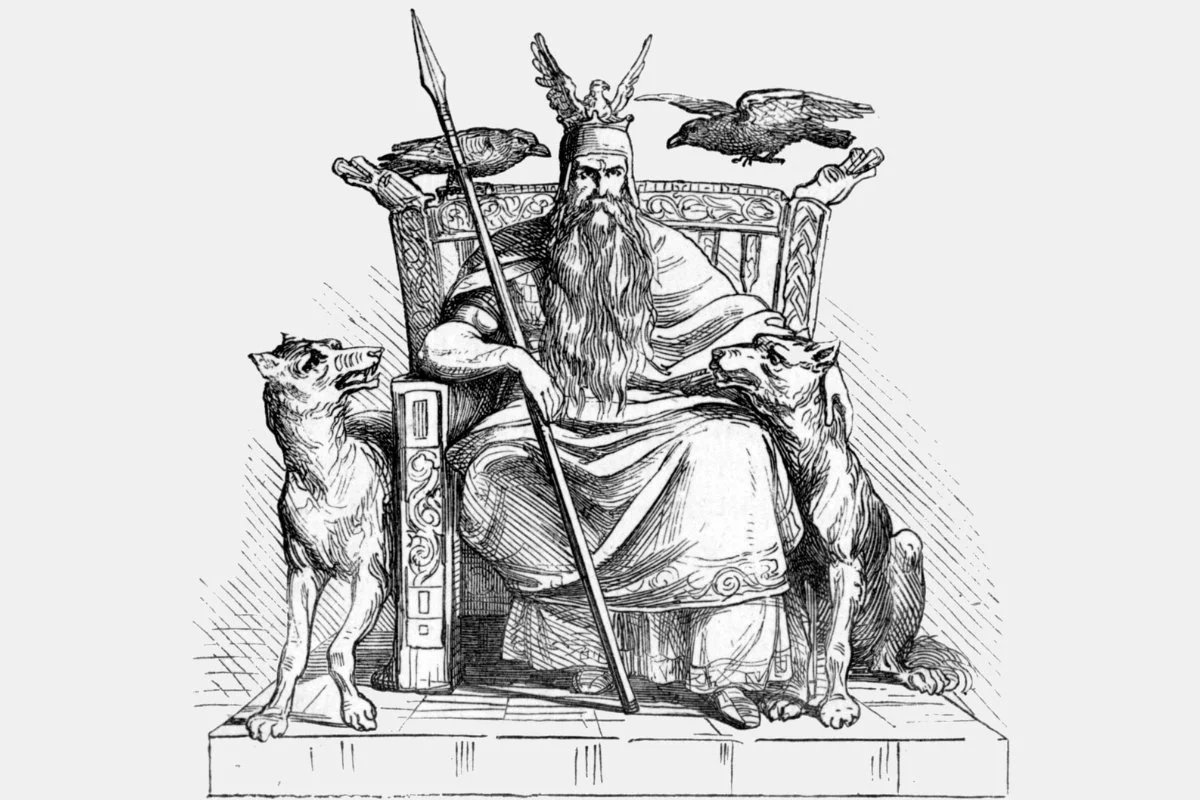
Have you ever been fascinated by tales of Viking warriors, Norse gods like Thor and Odin, and the epic sagas of the North? While these stories often seem like ancient history, the spiritual path that inspired them is very much alive today. This path is known as Odinism, a modern faith rooted in the pre-Christian beliefs of the Germanic and Norse peoples of Northern Europe. It’s a religion that honors ancient gods, values personal strength, and seeks a deep connection with nature and heritage.
Unlike mainstream religions with a single holy book or a central leader, Odinism is more decentralized. It’s a personal and often community-focused spiritual journey. This guide will explore the core beliefs, practices, and history of Odinism, providing a clear window into this fascinating and often misunderstood faith. We will look at its gods, its values, and how followers practice it in the modern world.
Key Takeaways
- Odinism is a Modern Pagan Religion: It is a revival of the ancient, pre-Christian beliefs of the Norse and Germanic peoples.
- Core Beliefs: Followers honor a pantheon of gods and goddesses, with Odin as the chief deity. Key values include honor, courage, truth, and family.
- No Single Sacred Text: While historical texts like the Poetic Edda and Prose Edda are highly respected, there is no single, universally accepted holy book like the Bible or Quran.
- Rituals and Practices: Common practices include the blót (an offering ritual) and the sumbel (a ritual toasting ceremony), which help build community and honor the gods.
- Connection to Nature: Odinism emphasizes a deep reverence for the natural world, viewing it as a sacred and integral part of life.
- Misconceptions Exist: It’s important to distinguish mainstream Odinism from extremist groups that have misappropriated its symbols and beliefs for hateful ideologies. The vast majority of followers are not associated with such groups.
The Historical Roots of Odinism
To understand modern Odinism, we must first travel back in time. The beliefs that form its foundation are not new; they belong to the ancient Germanic peoples, including the Norse, who are popularly known as the Vikings. For centuries before Christianity spread across Europe, these tribes had their own vibrant spiritual traditions. They saw the divine in the world around them—in the rustling of trees, the crash of thunder, and the changing of the seasons. Their religion was intertwined with every aspect of their lives, from farming and sailing to warfare and family.
These ancient beliefs were passed down orally through stories, poems, and songs. It wasn’t until later, primarily in Iceland after its conversion to Christianity, that these tales were written down. The most important of these texts are the Poetic Edda and the Prose Edda. The Poetic Edda is a collection of anonymous poems about gods and heroes, while the Prose Edda was written by Snorri Sturluson in the 13th century as a way to preserve the knowledge of Norse mythology and poetry. These texts provide our main window into the pre-Christian worldview that modern Odinism seeks to revive.
The Re-emergence of an Ancient Faith
The old ways began to fade as Christianity became the dominant religion in Europe. For nearly a thousand years, the worship of the Norse gods was largely forgotten, surviving only in folklore, place names, and the names of the days of the week (like Wednesday for Odin/Woden and Thursday for Thor). However, a renewed interest in ancient Germanic culture began to stir in the 19th and early 20th centuries, part of a broader Romantic movement that celebrated national heritage and folklore across Europe.
It was during this period that the seeds of modern Odinism were planted. Scholars and enthusiasts began to study the old texts not just as literature, but as a source of genuine spiritual wisdom. Early pioneers like the Australian Alexander Rud Mills, who wrote and published works on Odinism in the 1930s, helped lay the groundwork. After World War II, individuals like Else Christensen, a Danish-Canadian woman known as the “Folk Mother,” were instrumental in spreading the faith through publications and correspondence. They saw Odinism not just as a religion but as a way to reconnect with an ancestral identity and a more natural, heroic way of living.
The Core Beliefs of Odinism
At the heart of Odinism is a set of core beliefs that guide a follower’s life. While individual interpretations can vary, several key principles are widely shared among Odinists. These beliefs shape a worldview that is both ancient and relevant to modern challenges.
The Norse Pantheon: More Than Just Myths
Central to Odinism is the veneration of the Norse gods and goddesses, known as the Æsir and the Vanir. These are not seen as distant, perfect beings but as powerful figures with their own personalities, strengths, and flaws. They are often viewed as elder kin or powerful allies rather than masters to be blindly obeyed.
- Odin: The Allfather, the chief of the Æsir. He is the god of wisdom, poetry, magic, and war. Odin famously sacrificed one of his eyes for a drink from the Well of Mimir to gain immense knowledge. He represents the relentless pursuit of wisdom, even at great personal cost.
- Thor: The powerful god of thunder, known for his mighty hammer, Mjolnir. Thor is a protector of Midgard (the realm of humans) and represents strength, courage, and the defense of the common person.
- Freyja: A goddess from the Vanir tribe, associated with love, beauty, fertility, and a form of magic called seiðr. She is a powerful and independent figure who chooses half of the warriors slain in battle to join her in her hall, Fólkvangr.
- Frigg: Odin’s wife and the queen of the Æsir. She is the goddess of marriage, family, and prophecy, representing the archetypal mother and protector of the household.
- Tyr: The god of justice, law, and heroic glory. In a famous myth, he sacrificed his hand to the wolf Fenrir to bind the beast and protect the other gods, showing his incredible courage and commitment to order.
The Nine Noble Virtues
While not an ancient code, many modern Odinists and other Heathens follow a set of guiding principles known as the Nine Noble Virtues. These are derived from the ethical ideals found in Norse poetry, particularly the Hávamál (“Sayings of the High One”). The virtues are:
- Courage: Facing challenges with bravery.
- Truth: Being honest with yourself and others.
- Honor: Maintaining a good reputation and acting with integrity.
- Fidelity: Being loyal to your family, community, and the gods.
- Discipline: Having self-control and purpose.
- Hospitality: Being welcoming to guests and those in need.
- Industriousness: Working hard and being productive.
- Self-Reliance: Taking responsibility for yourself and your actions.
- Perseverance: Never giving up, especially in the face of hardship.
These virtues are not strict commandments but are seen as ideals to strive for in one’s daily life, creating a strong moral compass for followers of Odinism.
The Sacred Texts of Odinism
Unlike many religions, Odinism does not have a single, definitive “holy book.” Instead, followers draw inspiration and knowledge from a collection of historical texts, primarily from medieval Iceland. These writings are not considered divine revelations but are valued as the most direct link to the beliefs and culture of their pre-Christian ancestors.
The Eddas: A Window to the Past
The most important sources are the Poetic Edda and the Prose Edda.
- The Poetic Edda: This is a collection of poems from an anonymous author, compiled in a manuscript called the Codex Regius. These poems contain some of the most powerful and direct accounts of Norse mythology. They tell the stories of creation, the lives and deeds of the gods, the adventures of heroes, and the prophecy of Ragnarök, the “Twilight of the Gods.” The Völuspá (Prophecy of the Seeress) and the Hávamál (Sayings of the High One) are two of the most famous poems within this collection.
- The Prose Edda: Written by the Icelandic historian Snorri Sturluson around 1220 CE, this work was intended as a handbook for poets who needed to understand the complex kennings (poetic metaphors) used in traditional Norse poetry. To do this, Snorri retold many of the myths in a more structured, narrative format. It is divided into three main parts, including the Gylfaginning (“The Beguiling of Gylfi”), which provides a detailed overview of Norse cosmology and mythology.
The Sagas
Another crucial source of information comes from the Icelandic Sagas. These are prose narratives that tell the stories of famous Vikings, powerful families, and the settlement of Iceland. While they focus more on human affairs than on the gods, they provide invaluable insight into the culture, values, and daily life of the people who followed the old ways. They show how concepts like honor, fate, and family loyalty played out in the real world. For those interested in deeper cultural explorations, resources like forbesplanet.co.uk/ can offer further context on historical and cultural movements.
Rituals and Practices in Modern Odinism
Practicing Odinism today involves a blend of historical reconstruction and modern adaptation. Rituals are a way for individuals and communities to connect with the gods, honor their ancestors, and strengthen their bonds with one another. Two of the most common rituals are the blót and the sumbel.
The Blót: An Offering to the Gods
The blót is perhaps the most fundamental ritual in Odinism. The word itself means “to strengthen” or “to worship with sacrifice.” In ancient times, this often involved the sacrifice of an animal, which would then be cooked and shared in a communal feast. Today, animal sacrifice is extremely rare. Instead, modern Odinists make offerings of things they value, such as mead, ale, juice, or handmade items.
A typical blót involves:
- Hallowing the Space: The ritual area is consecrated, often by sprinkling it with water and calling on a guardian spirit, like Thor, to protect it.
- Invoking the Gods: The participants call upon the specific god or gods they wish to honor.
- Making the Offering: A horn or chalice is filled with the chosen beverage. The leader of the ritual speaks words of praise and makes the offering on behalf of the group, pouring it onto the ground, into a fire, or into a special offering bowl.
- Sharing the Blessing: The horn is then passed around the circle, and each person drinks from it, internalizing the blessing and sharing in the communal experience.
The Sumbel: A Ritual of Toasting
The sumbel (or symbel) is a more formal and structured ritual of toasting. It is not a wild party but a sacred ceremony for building community and making oaths. Participants gather, usually indoors, and pass a horn of mead or another beverage in a series of rounds.
- First Round: Typically dedicated to the gods. Each person makes a toast to a specific deity, praising them or thanking them for their influence.
- Second Round: Dedicated to ancestors or heroes of the past. Participants might toast their own family members who have passed on or legendary figures they admire.
- Third Round: This round is for personal boasts, oaths, or toasts. A person might boast of a recent accomplishment (not out of arrogance, but as a statement of fact), or they might make a solemn oath to achieve a future goal. Oaths made during a sumbel are considered extremely serious and binding.
The sumbel reinforces the bonds of the community, honors the past, and helps individuals set their intentions for the future.
|
Ritual |
Primary Purpose |
Common Offerings/Actions |
Setting |
|---|---|---|---|
|
Blót |
To honor and strengthen the gods and build a connection. |
Mead, ale, juice, food, handmade crafts. |
Usually outdoors. |
|
Sumbel |
To build community, honor gods/ancestors, and make oaths. |
Toasting with mead or another drink. Making boasts or oaths. |
Usually indoors. |
Odinism, Asatru, and Heathenry: What’s the Difference?
When exploring this spiritual path, you will likely encounter several different terms: Odinism, Asatru, and Heathenry. While they are often used interchangeably, there can be subtle differences in emphasis.
- Heathenry: This is the broadest and most widely accepted term. It covers all modern religions based on the pre-Christian beliefs of the Germanic-speaking peoples of Europe (including Norse, Anglo-Saxon, and continental Germanic traditions).
- Asatru: An Icelandic term meaning “true to the Æsir.” This is a very common name for the religion, particularly in North America and Scandinavia. Asatru is a legally recognized religion in several countries, including Iceland, Denmark, and Norway.
- Odinism: This term places a specific emphasis on the god Odin as the central figure of the pantheon, representing the pursuit of wisdom and knowledge. Some groups prefer this name because it directly links the faith to its most prominent deity.
Ultimately, the choice of term often comes down to personal or group preference. All three point to the same general family of modern Pagan religions reviving the ancient spiritual traditions of Northern Europe.
Common Misconceptions About Odinism
Unfortunately, Odinism and Heathenry have been plagued by misconceptions, largely due to the appropriation of their symbols by white supremacist and neo-Nazi groups. It is crucial to understand that these hate groups represent a tiny, fringe minority and are rejected by the overwhelming majority of the global Heathen community.
Mainstream Odinism is not a racist religion. The gods do not care about skin color, and the core values of honor, hospitality, and truth are universal. Many inclusive Heathen organizations, such as The Troth in the United States, have published official statements condemning any use of the faith to promote hatred or discrimination. They actively work to create welcoming spaces for people of all backgrounds. Believing that Odinism is inherently racist is like believing all Christians belong to a hate group because the Ku Klux Klan uses the cross. It’s a false and harmful association. Responsible journalism and educational platforms continue to highlight the diversity and inclusive nature of modern pagan movements.
Conclusion: A Path of Heritage and Personal Growth
Odinism is a living, breathing spiritual path that offers a profound connection to the past and a powerful framework for personal development. It is a religion of action, not just belief, that encourages its followers to live with courage, honor, and a deep respect for the natural world. By studying the ancient texts, honoring the gods through ritual, and striving to live by the Noble Virtues, modern Odinists are keeping an ancient flame alive in the 21st century.
For those drawn to its stories, its values, and its powerful deities, Odinism provides a rich and rewarding journey. It is a path of self-reliance, community, and a search for wisdom worthy of Odin himself. It reminds us that even in our complex modern world, there is much to be learned from the sagas, the runes, and the whispers of the old gods.
Frequently Asked Questions (FAQ)
1. Is Odinism the same as worshipping Vikings?
No. While Odinism is based on the religion practiced by some people during the Viking Age, it is not about “worshipping Vikings.” It is about honoring the same gods they did and living by similar ethical principles. Modern followers are not trying to be historical re-enactors but are adapting ancient beliefs for contemporary life.
2. Do Odinists believe the myths are literally true?
Interpretations vary. Some Odinists may view the myths as literal accounts of the gods, while many others see them as symbolic stories that convey deep truths about the nature of the world, human psychology, and the divine. The focus is generally on the lessons and wisdom within the myths rather than their literal accuracy.
3. Is Odinism a recognized religion?
Yes. Under the names Asatru or Heathenry, the religion is officially recognized in several countries, including Iceland, Norway, Denmark, and Sweden. In the United States, it is protected under the First Amendment, and Heathen organizations can register as non-profit religious entities. For example, the “Hammer of Thor” pendant (Mjolnir) is an approved religious symbol for U.S. military veteran headstones.
4. How does someone become an Odist?
There is no formal conversion ceremony. A person is generally considered an Odist (or Heathen) if they choose to follow this path, honor the gods, and commit to living by the faith’s values. Many people begin by reading the Eddas and Sagas, finding a local or online community, and starting a personal practice of honoring the gods.
5. Is Odinism open to everyone, regardless of ancestry?
Absolutely. The vast majority of Odist and Heathen groups today are inclusive and open to people of all ethnic and racial backgrounds. They believe the gods call to whom they will. While some small, fringe groups (known as “folkish”) believe the religion is only for those of Northern European descent, this is a minority and widely rejected view. The mainstream belief is that what matters is your heart and your deeds, not your bloodline.
Stay Informed With the Latest & Most Important News
Previous Post
Next Post










Advertisement