

Now Reading: Exploring the World of HVAC Jobs: A Guide to a Cool Career
-
01
Exploring the World of HVAC Jobs: A Guide to a Cool Career

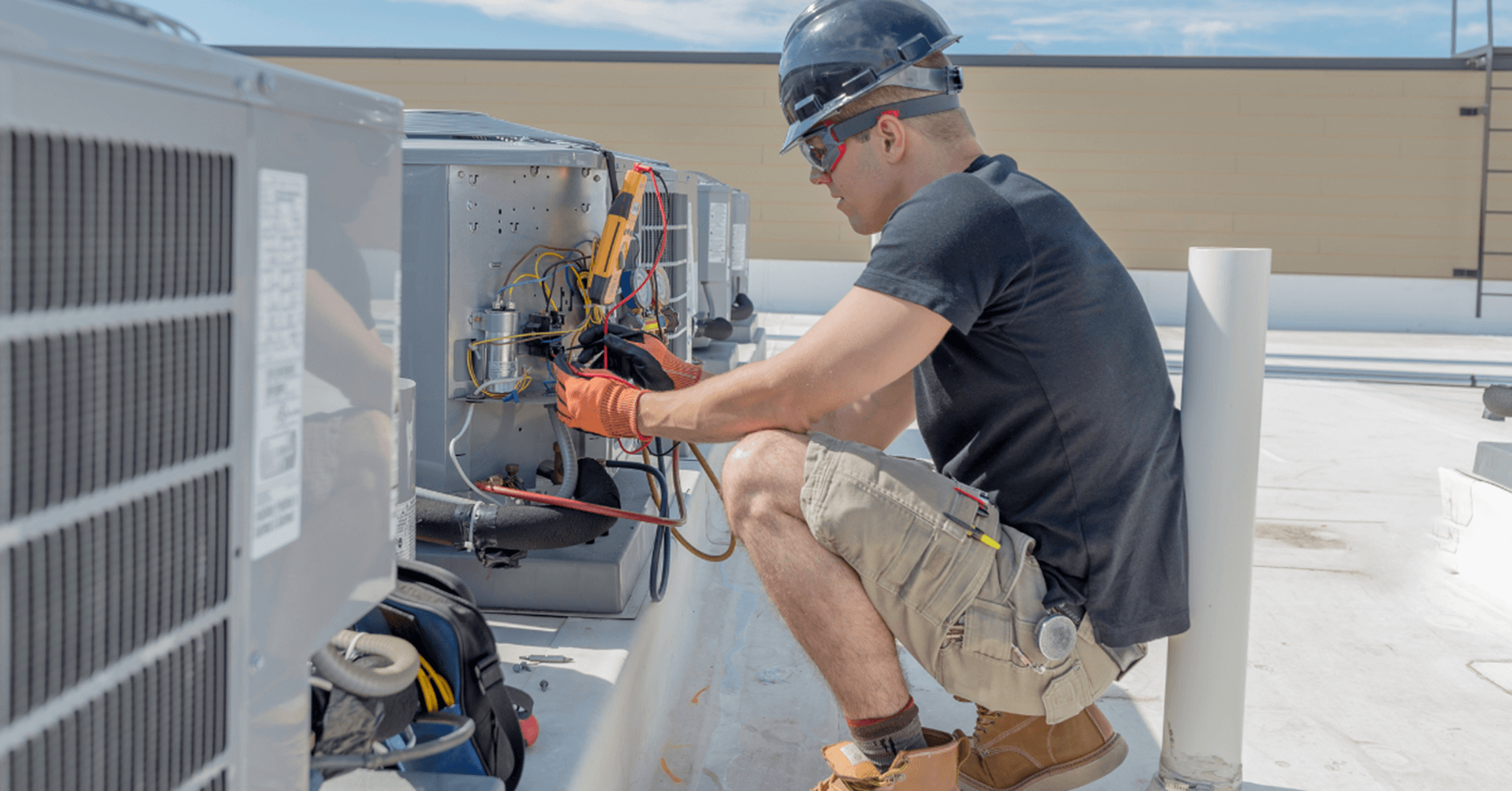
Are you looking for a career that is always in demand, offers great pay, and lets you work with your hands? If so, exploring the field of hvac jobs might be the perfect next step for you. HVAC stands for Heating, Ventilation, and Air Conditioning. These systems are essential for comfort and safety in homes, offices, schools, and just about every other building you can imagine. This means there’s a constant need for skilled professionals to install, maintain, and repair them.
This guide will walk you through everything you need to know about starting a career in the HVAC industry. We’ll cover what the job entails, the training you’ll need, the different career paths you can take, and the excellent growth potential this field offers. Whether you’re a recent high school graduate or someone considering a career change, the world of HVAC has something to offer.
Key Takeaways
- High Demand: HVAC jobs are consistently in demand due to the essential nature of heating and cooling systems in modern life.
- Good Earning Potential: The field offers competitive salaries, with significant opportunities for growth as you gain experience and certifications.
- Variety of Work: No two days are the same. You could be installing a new system in a home one day and troubleshooting a complex commercial unit the next.
- Pathways to Entry: You can enter the field through vocational schools, community colleges, apprenticeships, or on-the-job training.
- Career Advancement: With experience, you can specialize in areas like commercial refrigeration, energy efficiency, or even start your own business.
What Exactly is an HVAC Technician?
At its core, an HVAC technician is a skilled professional responsible for the systems that control the climate inside a building. This involves a lot more than just fixing an air conditioner on a hot day. The role is a mix of mechanics, electronics, and problem-solving. Technicians work with furnaces, air conditioners, heat pumps, ventilation systems, and refrigeration units. Their main goal is to ensure these systems operate efficiently, safely, and reliably.
The daily tasks of someone in one of these hvac jobs can vary widely. One day might involve performing routine maintenance on a residential furnace to prepare it for winter. This includes cleaning components, checking electrical connections, and ensuring everything is running smoothly. Another day might require diagnosing a complex issue in a large commercial air conditioning system at a hospital or office building. This requires a deep understanding of how these intricate systems work, the ability to read blueprints and technical manuals, and sharp diagnostic skills. Technicians are the heroes who restore comfort when the heat of summer or the chill of winter becomes unbearable.
A Day in the Life of an HVAC Pro
Imagine starting your day by reviewing your service calls. Your first stop is a family home where the air conditioner isn’t blowing cold air. You’ll talk to the homeowner to understand the problem, then begin your inspection. This involves checking refrigerant levels, inspecting the compressor, and testing electrical components. After identifying a faulty capacitor, you replace it, test the system, and restore cool air to a grateful family.
Later, you might head to a new construction site to help install a complete HVAC system. This involves working with a team to run ductwork, place the furnace and air conditioning units, and connect all the electrical and refrigerant lines. This part of the job requires precision and teamwork to ensure the system is installed correctly from the start. The variety of challenges and environments makes hvac jobs both engaging and rewarding.
Why is There Such High Demand for HVAC Jobs?
The demand for skilled HVAC technicians is strong and expected to grow. The U.S. Bureau of Labor Statistics projects that employment for heating, air conditioning, and refrigeration mechanics and installers will grow faster than the average for all occupations. There are several key reasons behind this high demand. First, HVAC systems are now standard in nearly all new construction, from single-family homes to massive commercial complexes. Every new building needs a qualified team to install these systems.
Second, existing systems need regular maintenance and eventual replacement. HVAC units have a finite lifespan, typically around 15-20 years. As older systems age and break down, homeowners and building managers need technicians to repair or replace them. Furthermore, there’s a growing emphasis on energy efficiency and environmental responsibility. Modern HVAC systems are far more efficient than their older counterparts, and many government regulations and consumer preferences are pushing for upgrades. This trend drives a constant need for technicians who are knowledgeable about the latest green technologies and smart home integrations. The combination of new installations, routine service, and system upgrades creates a stable and growing market for hvac jobs.
The Path to Becoming an HVAC Technician
Entering the HVAC field doesn’t require a four-year university degree, making it an accessible career path for many. However, it does require specialized training and knowledge to work safely and effectively. Here are the most common pathways to starting your career.
Formal Education and Training Programs
Many aspiring technicians begin their journey at a vocational school or community college. These institutions offer certificate or associate degree programs specifically designed for the HVAC industry. These programs typically last from six months to two years and provide a strong foundation in the theory and practice of heating, ventilation, and air conditioning. Students learn about refrigeration cycles, electrical circuits, and heating principles in a classroom setting.
Crucially, these programs also include hands-on training in a lab environment. You’ll get to work on real furnaces, air conditioners, and other equipment, learning how to take them apart, diagnose problems, and put them back together. This practical experience is invaluable and makes graduates more attractive to employers. Graduating from a reputable program demonstrates that you have the foundational knowledge needed for entry-level hvac jobs.
The Apprenticeship Route
Another popular and highly effective way to enter the trade is through an apprenticeship. An apprenticeship combines on-the-job training with formal classroom instruction. As an apprentice, you work full-time for an HVAC contractor under the supervision of experienced technicians. You earn a wage while you learn, which is a significant advantage. You’ll spend your days in the field, gaining real-world experience on actual job sites.
In the evenings or on weekends, you’ll attend classes that cover the theoretical aspects of the trade, such as safety protocols, electrical codes, and advanced diagnostics. Apprenticeships are often sponsored by trade unions or industry associations. This route typically takes three to five years to complete, but at the end, you emerge as a fully qualified journey-level technician with years of practical experience and a deep understanding of the profession. This hands-on approach is one of the most respected ways to build a career in hvac jobs.
Essential Skills for Success in HVAC Jobs
To excel as an HVAC technician, you need more than just technical know-how. The best professionals possess a unique blend of hard and soft skills that allow them to tackle any challenge that comes their way.
Technical Prowess
First and foremost, a strong mechanical aptitude is a must. You should be comfortable working with tools, taking machinery apart, and understanding how different components work together. A solid grasp of electrical principles is also critical, as modern HVAC systems are heavily reliant on complex wiring and electronic controls. You will need to know how to read schematics, use a multimeter, and safely work with live circuits. Troubleshooting is another core technical skill. You must be able to think logically, diagnose problems systematically, and identify the root cause of a system failure.
Customer Service and Communication
While technical skills are the foundation, soft skills are what set great technicians apart. You will be working directly with customers in their homes and businesses, often when they are stressed and uncomfortable. Excellent customer service is key. This means being polite, professional, and empathetic. You need to be able to clearly explain the problem and the proposed solution in terms that a homeowner can understand, avoiding overly technical jargon. Good communication skills also extend to working with dispatchers, managers, and other technicians on your team. Being a reliable and effective communicator makes you a valuable asset to any company offering hvac jobs.
Exploring Different HVAC Career Paths
The term “HVAC technician” is a broad one, and there are many specializations and career paths available within the industry. As you gain experience, you can choose to focus on an area that interests you most.
Residential vs. Commercial HVAC
One of the first distinctions you’ll encounter is between residential and commercial work.
- Residential HVAC: This involves working in people’s homes. The systems are generally smaller and less complex, such as single-family furnaces, heat pumps, and central air conditioners. The work often involves direct interaction with homeowners.
- Commercial HVAC: This focuses on larger, more complex systems found in office buildings, schools, hospitals, and factories. These systems can be massive and incorporate sophisticated controls, chillers, and cooling towers. Commercial hvac jobs often require a deeper level of technical expertise and experience with large-scale equipment.
Specializations within the Field
Beyond the residential/commercial split, there are numerous specializations. You might choose to become an expert in:
- Refrigeration: Working on walk-in coolers, freezers, and ice machines for supermarkets and restaurants.
- Installation: Focusing solely on installing new systems in new construction or as replacements.
- Service and Repair: Specializing in diagnosing and fixing problems on existing systems.
- Building Automation: Working with the computerized control systems that manage the HVAC, lighting, and security for large buildings.
- Energy Auditing: Helping homeowners and businesses improve efficiency and lower their energy bills.
Salary and Job Outlook for HVAC Professionals
One of the most attractive aspects of pursuing hvac jobs is the strong earning potential and job security. According to the U.S. Bureau of Labor Statistics, the median annual wage for HVAC mechanics and installers was $57,300 in May 2023. However, this is just the median, and salaries can vary significantly based on several factors.
|
Factor |
Lower End Salary Range |
Higher End Salary Range |
|---|---|---|
|
Experience Level |
$37,000 (Entry-Level) |
$90,000+ (Senior/Specialist) |
|
Location |
Rural Areas |
Major Metropolitan Areas |
|
Specialization |
General Residential |
Commercial Refrigeration/Automation |
|
Certifications |
Basic EPA |
NATE, Advanced Certs |
Location plays a huge role. Technicians in major metropolitan areas or states with extreme weather conditions often command higher wages. Experience is perhaps the biggest factor. An entry-level helper will earn less than a senior technician with 15 years of experience and multiple certifications. Those who specialize in high-demand areas like commercial refrigeration or building automation can earn well over the median wage. Many experienced technicians also have the opportunity to earn overtime pay, especially during peak seasons like the middle of summer or winter. For a broader look at economic trends that impact trades, resources like those found on websites such as Forbes Planet can offer valuable insights into the global business landscape.
The Importance of Certifications
In the HVAC industry, certifications are a formal way to prove your knowledge and skills. They can lead to better job opportunities, higher pay, and greater trust from customers and employers.
EPA Section 608 Certification
This is the most critical certification and is legally required for any technician who works with refrigerants. The Environmental Protection Agency (EPA) mandates this certification to ensure that technicians handle these chemical compounds safely to prevent them from harming the ozone layer. There are different levels of certification depending on the type and size of appliances you work on. Almost all hvac jobs will require you to have your EPA 608 certification.
NATE Certification
North American Technician Excellence (NATE) certification is the gold standard in the HVAC industry. Unlike the EPA certification, NATE is not legally required, but it is highly respected by employers and consumers. Earning a NATE certification shows that you have mastered real-world, working knowledge of HVAC systems. There are multiple specialty tests you can take, covering areas like air conditioning service, gas furnace installation, and heat pump technology. Holding a NATE certification makes you a more competitive job candidate and demonstrates a commitment to professional excellence.
The Future of HVAC Jobs
The HVAC industry is not standing still. Technology is constantly evolving, and the technicians of the future will need to adapt to these changes. The rise of smart homes is having a major impact. Thermostats can now be controlled from a smartphone, and systems can learn a homeowner’s preferences to optimize comfort and efficiency. Technicians need to be comfortable with Wi-Fi connectivity, software integration, and home automation platforms.
Another major trend is the push for “green” technology and sustainability. Concerns about climate change and energy costs are driving the development of more environmentally friendly systems. This includes geothermal heat pumps, solar-assisted air conditioning, and systems that use refrigerants with a lower global warming potential. Technicians who stay current with these emerging technologies will be in the highest demand. The future of hvac jobs will belong to those who embrace lifelong learning and adapt to the ever-changing landscape of the industry.
Is a Career in HVAC Right for You?
Choosing a career is a big decision. An HVAC career is not for everyone. It can be physically demanding, requiring you to work in tight spaces, lift heavy equipment, and endure extreme temperatures in attics or on rooftops. However, if you enjoy solving puzzles, working with your hands, and seeing the immediate results of your labor, it can be an incredibly satisfying profession.
It offers a level of independence and autonomy that is rare in many other jobs. You are the expert on-site, trusted to diagnose the problem and make it right. The satisfaction of restoring heat to a family on a freezing night or bringing cool relief during a heatwave provides a real sense of accomplishment. If you are a motivated, hands-on problem-solver looking for a stable and lucrative career, the world of hvac jobs is wide open and full of opportunity.
Frequently Asked Questions (FAQ)
Q1: How long does it take to become an HVAC technician?
A: It can take anywhere from six months for a basic certificate program to five years for a full apprenticeship. A two-year associate degree program is also a very common and effective path. The timeline depends on the educational route you choose.
Q2: Do I need to be good at math to succeed in HVAC jobs?
A: Yes, a solid understanding of basic math and algebra is important. You will need to calculate loads, measure ductwork, and understand electrical formulas. However, you don’t need to be a math genius; practical, applied math skills are what count.
Q3: Is being an HVAC technician a dangerous job?
A: Like any trade, it has risks. Technicians work with electricity, refrigerants, and natural gas, and sometimes at heights. However, with proper training, adherence to safety protocols, and the use of personal protective equipment (PPE), these risks can be managed effectively. Reputable employers prioritize safety above all else.
Q4: Can I start my own HVAC business?
A: Absolutely! Many experienced HVAC technicians go on to start their own contracting businesses. This is a major reason why hvac jobs are so appealing to entrepreneurial individuals. After gaining several years of field experience and obtaining the necessary business licenses and insurance, you can become your own boss.
Q5: What is the most challenging part of being an HVAC technician?
A: The most challenging part can be diagnosing intermittent or unusual problems that don’t have an obvious solution. It requires patience and a deep, systematic approach. Also, working in extreme weather conditions—like a hot attic in August or on a rooftop in January—can be physically taxing.
Stay Informed With the Latest & Most Important News
Previous Post
Next Post









Advertisement