

Now Reading: Remeron: A Comprehensive Guide to Understanding Mirtazapine
-
01
Remeron: A Comprehensive Guide to Understanding Mirtazapine

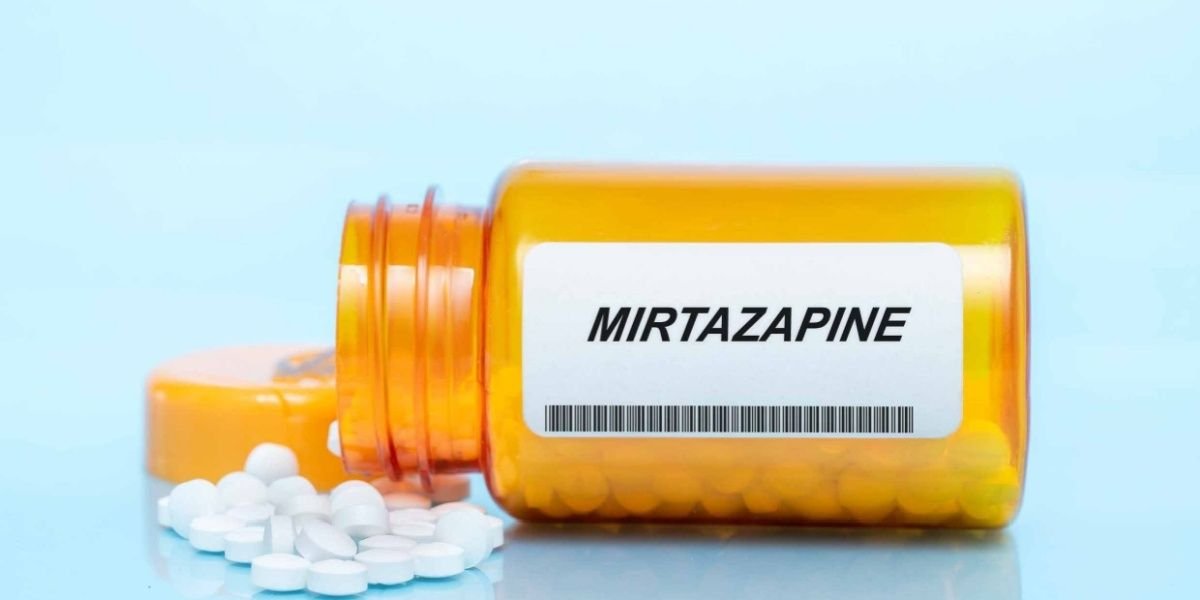
Living with depression can feel like navigating a dense fog. The path forward is unclear, and everyday tasks can seem monumental. Finding the right treatment is a crucial step toward clearing that fog and rediscovering a sense of balance. Among the various options available, Remeron (the brand name for the generic drug mirtazapine) is an antidepressant that has helped many individuals manage their symptoms. This medication works a bit differently than other common antidepressants, offering a unique approach to restoring mental well-being.
This guide is designed to provide a clear, comprehensive overview of Remeron. We will explore what it is, how it works, its potential benefits, and what to expect when taking it. Understanding your treatment options is an essential part of your health journey, and this article aims to give you the foundational knowledge you need to have informed discussions with your healthcare provider.
Key Takeaways
- Remeron is an antidepressant used primarily to treat major depressive disorder.
- It works differently than SSRIs by targeting specific serotonin and norepinephrine receptors, which can influence mood, sleep, and appetite.
- Common side effects include drowsiness, increased appetite, and weight gain, particularly when starting the medication.
- It is crucial to take Remeron exactly as prescribed and never stop taking it abruptly without consulting a doctor.
- Open communication with your healthcare provider is essential for managing side effects and ensuring the treatment is effective for you.
What Exactly is Remeron?
Remeron is the brand name for mirtazapine, an antidepressant medication approved by the Food and Drug Administration (FDA) to treat major depressive disorder (MDD). It belongs to a class of drugs known as tetracyclic antidepressants. While it shares the goal of other antidepressants—to alleviate the symptoms of depression—its mechanism of action is distinct.
Unlike more common antidepressants like SSRIs (Selective Serotonin Reuptake Inhibitors), which work by increasing serotonin levels in the brain, Remeron has a more complex effect. It enhances the release of both norepinephrine and serotonin, two important neurotransmitters involved in regulating mood, sleep, and anxiety. This unique action is why it is sometimes prescribed when other medications have not been effective. It is available in tablet form and a dissolvable tablet form (known as Remeron SolTab), offering flexibility in how it is taken.
Understanding Its Place in Depression Treatment
Depression is more than just feeling sad; it is a complex medical condition that affects how you feel, think, and handle daily activities. Treatment often involves a combination of therapy, lifestyle changes, and medication. Antidepressants like Remeron are a cornerstone of medical treatment for moderate to severe depression. They work to correct the chemical imbalances in the brain that are believed to contribute to depressive symptoms.
A healthcare provider might consider prescribing Remeron for several reasons. It may be an option for individuals who have not responded well to other antidepressants. Additionally, because one of its common side effects is sedation, it can be particularly helpful for people whose depression is accompanied by severe insomnia or anxiety. For those struggling with a poor appetite and weight loss due to depression, the appetite-stimulating effect of Remeron can also be beneficial.
How Does Remeron Work in the Brain?
The science behind how Remeron works is what sets it apart. It is classified as a noradrenergic and specific serotonergic antidepressant (NaSSA). This sounds complicated, but it simply describes how it interacts with neurotransmitters in the brain.
Neurotransmitters are chemical messengers that transmit signals between nerve cells (neurons). In depression, the signaling of key neurotransmitters like serotonin and norepinephrine can become dysregulated.
Here’s a breakdown of Remeron’s action:
- Blocks Alpha-2 Adrenergic Receptors: Remeron blocks specific receptors on nerve cells that normally act like a “brake” on the release of norepinephrine and serotonin. By blocking these brakes, it allows more of these mood-influencing chemicals to be released into the synapse (the gap between neurons).
- Targets Specific Serotonin Receptors: It also selectively blocks certain serotonin receptors (5-HT2 and 5-HT3). Blocking these particular receptors is thought to reduce some of the side effects commonly associated with other antidepressants, such as nausea or sexual dysfunction, while allowing serotonin to stimulate the 5-HT1A receptor, which is linked to its antidepressant effects.
This dual action helps to restore a healthier balance of brain chemistry, which can lead to improvements in mood, sleep patterns, and energy levels.
Primary Uses and Off-Label Applications of Remeron
While Remeron is officially FDA-approved for treating major depressive disorder, its unique properties have led doctors to prescribe it for other conditions as well. This is known as “off-label” use.
FDA-Approved Use: Major Depressive Disorder (MDD)
The primary and most well-documented use of Remeron is for the management of MDD in adults. Clinical trials have shown its effectiveness in reducing core symptoms of depression, including persistent sadness, loss of interest or pleasure, feelings of worthlessness, and changes in sleep or appetite. For individuals suffering from these debilitating symptoms, Remeron can be a life-changing treatment that helps them regain function and improve their quality of life. It can be used for both short-term treatment of an acute depressive episode and for longer-term maintenance therapy to prevent a relapse.
Common Off-Label Uses
Physicians may use their professional judgment to prescribe medications for conditions other than their approved indication if they believe it will be beneficial. Some common off-label uses for Remeron include:
- Insomnia: Due to its potent sedative effects, especially at lower doses, Remeron is frequently prescribed to help people who have difficulty falling or staying asleep.
- Anxiety Disorders: It is sometimes used to treat generalized anxiety disorder, social anxiety disorder, and panic disorder, as its calming effects can help reduce feelings of panic and worry.
- Post-Traumatic Stress Disorder (PTSD): For individuals with PTSD, particularly those experiencing nightmares and insomnia, Remeron can help improve sleep and reduce other symptoms.
- Appetite Stimulation: In situations where a medical condition or another treatment (like chemotherapy) causes a significant loss of appetite and weight, the appetite-increasing effect of Remeron can be a therapeutic benefit.
It is important to remember that off-label use should always be guided by a healthcare professional who can weigh the potential benefits against the risks.
Potential Side Effects of Remeron
Like all medications, Remeron comes with a list of potential side effects. Many of these are most prominent when you first start taking the drug and often diminish as your body adjusts. The most commonly reported side effects are directly related to how the medication works.
Common Side Effects
- Drowsiness and Sedation: This is one of the most frequent side effects, especially at lower doses. For this reason, doctors usually recommend taking Remeron at bedtime.
- Increased Appetite and Weight Gain: Mirtazapine often stimulates the appetite, which can lead to weight gain. This can be a welcome side effect for those who have lost weight due to depression but a challenging one for others.
- Dry Mouth: A feeling of dryness in the mouth is common. Staying hydrated, chewing sugar-free gum, or using saliva substitutes can help manage this.
- Dizziness: You may feel lightheaded or dizzy, particularly when standing up too quickly.
- Constipation: Changes in bowel habits can occur. Increasing fiber and fluid intake can help alleviate this.
Less Common and Serious Side Effects
While most side effects are mild, there are some rare but more serious ones to be aware of. You should contact your doctor immediately if you experience any of the following:
- Agranulocytosis: A rare but serious condition involving a severe drop in white blood cells, which can increase the risk of infection. Signs include fever, sore throat, or other flu-like symptoms.
- Serotonin Syndrome: A potentially life-threatening condition caused by too much serotonin in the brain. Symptoms include agitation, hallucinations, rapid heartbeat, fever, muscle stiffness, and loss of coordination. The risk increases if Remeron is taken with other medications that affect serotonin.
- Worsening Depression or Suicidal Thoughts: All antidepressants carry a “black box” warning from the FDA about a potential increase in suicidal thoughts and behaviors, particularly in children, adolescents, and young adults (under 25). It is crucial to monitor for any changes in mood, especially during the first few weeks of treatment.
Side Effect Management
|
Side Effect |
Management Strategy |
|---|---|
|
Drowsiness |
Take Remeron in the evening before bed. Avoid driving or operating heavy machinery until you know how it affects you. |
|
Weight Gain |
Monitor your diet and engage in regular physical activity. Discuss concerns with your doctor. |
|
Dry Mouth |
Sip water throughout the day, use sugar-free hard candy or gum, and maintain good oral hygiene. |
|
Dizziness |
Get up slowly from a sitting or lying position. Avoid alcohol, which can worsen dizziness. |
Dosage and Administration: Getting It Right
The dosage of Remeron is tailored to the individual. Your doctor will consider your symptoms, medical history, and response to the medication to find the dose that works best for you.
The typical starting dose for adults is 15 mg per day, usually taken in the evening before sleep. Based on your response and tolerability, your doctor may gradually increase the dose. The effective dose range is generally between 15 mg and 45 mg per day. It is essential to follow your doctor’s instructions precisely and not to adjust the dose on your own. Remeron can be taken with or without food. If you are taking the orally disintegrating tablet (SolTab), make sure your hands are dry before handling the tablet. Place it on your tongue, where it will dissolve quickly and can be swallowed with saliva.
What Happens If You Miss a Dose?
If you miss a dose of Remeron, take it as soon as you remember. However, if it is almost time for your next dose, skip the missed dose and resume your regular schedule. Do not double up to make up for the missed dose, as this can increase the risk of side effects. Consistency is key to allowing the medication to work effectively.
Important Precautions and Warnings
Before starting Remeron, it is vital to have an open conversation with your healthcare provider about your complete medical history.
Who Should Be Cautious with Remeron?
- Individuals with a history of bipolar disorder: Antidepressants can sometimes trigger a manic episode in people with bipolar disorder.
- People with liver or kidney problems: Your body’s ability to process the medication may be affected, potentially requiring a dose adjustment.
- Those with heart conditions or low blood pressure: Remeron can cause dizziness and, in rare cases, affect heart rhythm.
- People with a history of seizures: Although rare, Remeron may lower the seizure threshold.
- Pregnant or breastfeeding women: The risks and benefits should be carefully weighed with a doctor. The medication can pass into breast milk.
Drug Interactions to Be Aware Of
Remeron can interact with other substances, which can alter its effects or increase the risk of serious side effects. Be sure to tell your doctor about all medications, supplements, and herbal products you are taking.
Key interactions include:
- MAOIs (Monoamine Oxidase Inhibitors): Taking Remeron with or within 14 days of an MAOI can cause a dangerous, potentially fatal reaction.
- Other Serotonergic Drugs: Combining it with SSRIs, triptans (for migraines), tramadol, or St. John’s Wort can increase the risk of serotonin syndrome.
- CNS Depressants: Alcohol, benzodiazepines, and other sedatives can amplify the drowsy effects of Remeron.
- Medications that affect liver enzymes: Some drugs can change how your body metabolizes Remeron, affecting its concentration in your blood.
Discontinuing Remeron: The Importance of Tapering
You should never stop taking Remeron suddenly. Abruptly discontinuing the medication can lead to withdrawal-like symptoms, often called “discontinuation syndrome.” This is not a sign of addiction, but rather your body’s reaction to the sudden absence of the medication it has adapted to.
Symptoms can include:
- Dizziness and nausea
- Headache
- Anxiety and agitation
- Tingling sensations (paresthesia)
- Insomnia and vivid dreams
To avoid this, your doctor will guide you through a process of gradually reducing your dose over several weeks or months. This tapering process allows your brain to slowly readjust. For more in-depth health information, you can explore resources like those found at https://forbesplanet.co.uk/.
Conclusion
Remeron (mirtazapine) is a valuable and effective medication for treating major depressive disorder and has shown utility in managing other conditions like insomnia and anxiety. Its unique mechanism of action makes it a suitable alternative for individuals who may not have found success with other antidepressants. While it comes with notable side effects like drowsiness and increased appetite, these can often be managed and may even be beneficial depending on the individual’s specific symptoms.
The most important aspect of any treatment plan is a strong, open partnership with your healthcare provider. Discuss your concerns, report any side effects, and be patient with the process. Finding the right medication can take time, but with careful management, Remeron can be a powerful tool on the road to recovery and a brighter state of mind.
Frequently Asked Questions (FAQ)
How long does it take for Remeron to work?
While you might notice improvements in sleep within the first week, the full antidepressant effects of Remeron typically take longer to become apparent. It can take anywhere from four to six weeks to experience a significant improvement in your mood and other depression symptoms. It is important to continue taking the medication as prescribed, even if you don’t feel better right away.
Can Remeron cause weight gain?
Yes, increased appetite and subsequent weight gain are among the most common side effects of Remeron. This happens because of its effect on histamine receptors, which are involved in appetite regulation. If weight gain is a concern, discussing it with your doctor is important. They can provide guidance on diet, exercise, and managing this side effect.
Is it safe to drink alcohol while taking Remeron?
No, it is generally advised to avoid alcohol while taking Remeron. Alcohol is a central nervous system depressant, and combining it with Remeron can significantly increase drowsiness, dizziness, and impair your coordination and judgment. This combination can be dangerous, especially when driving or performing other tasks that require alertness.
What is the difference between Remeron and an SSRI?
The main difference lies in how they work. SSRIs (like Prozac or Zoloft) primarily work by blocking the reabsorption of serotonin, increasing its levels in the brain. Remeron works differently by blocking certain receptors to enhance the release of both norepinephrine and serotonin. This different mechanism can lead to a different side effect profile—for example, Remeron is less likely to cause the sexual side effects or nausea sometimes associated with SSRIs but is more likely to cause sedation and weight gain.
Can Remeron be addictive?
Remeron is not considered to be addictive in the way that substances like opioids or benzodiazepines are. You will not develop a craving for it. However, your body can become physically dependent on it, which is why it is crucial not to stop taking it abruptly. The withdrawal-like symptoms of discontinuation syndrome are a result of this physical dependence, not addiction.
Stay Informed With the Latest & Most Important News
Previous Post
Next Post











Advertisement