
Now Reading: Your Guide to the Next Full Moon
-
01
Your Guide to the Next Full Moon

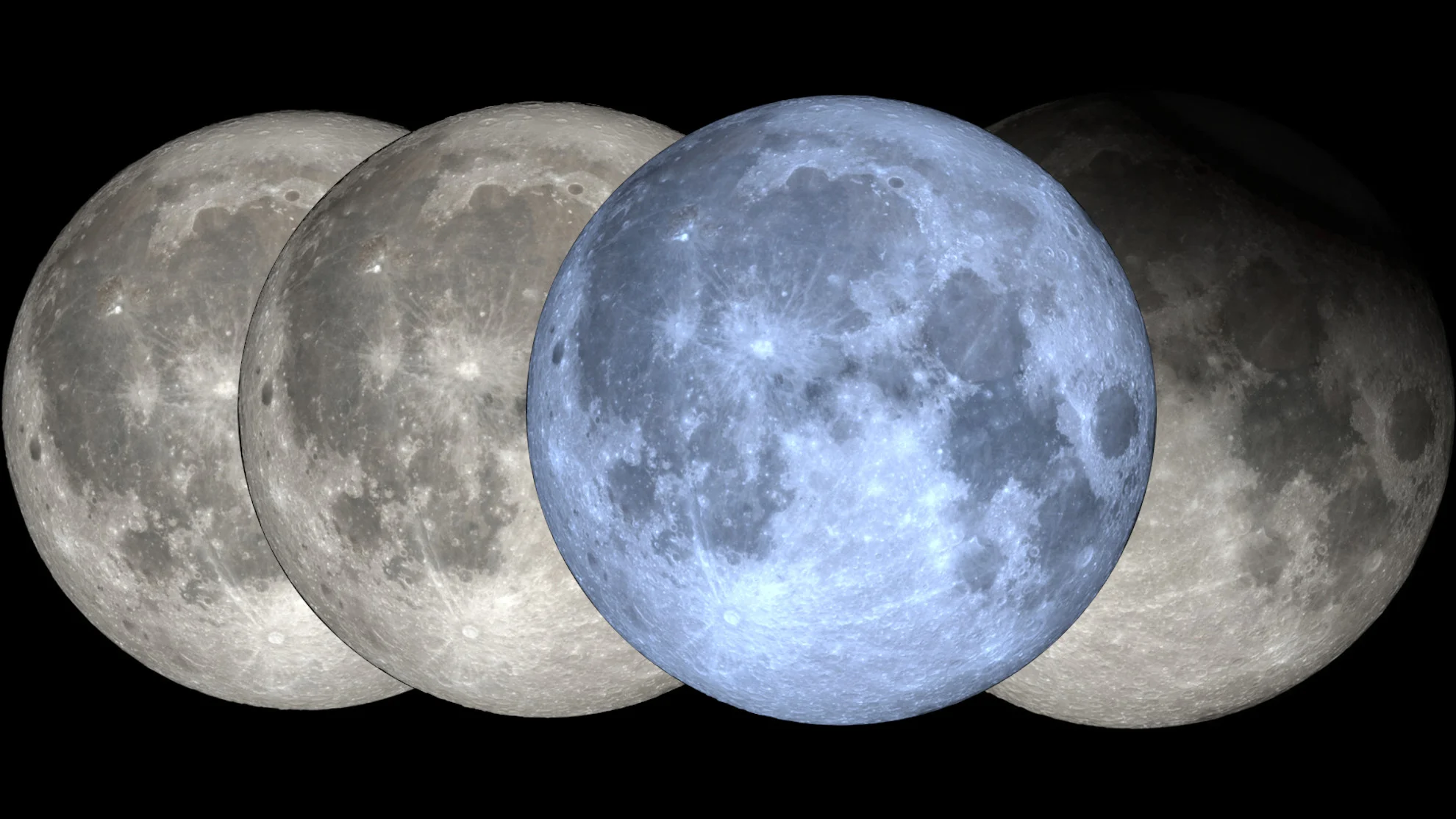
Have you ever looked up at the night sky and felt a special kind of wonder at the sight of a bright, round Moon? There’s something magical about a full moon that has captivated people for centuries. It’s a time for stories, for traditions, and simply for appreciating the beauty of our solar system. If you’re curious about when you can catch this celestial show, you’ve come to the right place. This guide is all about the next full moon, why it happens, and what makes each one unique. We’ll explore the science, the folklore, and even some fun activities to help you make the most of this monthly event.
Understanding the lunar cycle is a fascinating journey that connects us to the natural rhythms of our planet and its celestial neighbor. From ancient farmers using the Moon to guide their planting schedules to modern-day astronomers predicting its every move, the full moon remains a significant and inspiring occurrence. In the coming sections, we will delve into the specific dates for upcoming full moons, the special names they carry, and how you can best prepare to witness the splendor of the next full moon lighting up your night sky.
Key Takeaways
- A full moon occurs approximately every 29.5 days when the Earth is positioned directly between the Sun and the Moon.
- Each month’s full moon has a traditional name, often rooted in Native American, Colonial American, or European folklore, related to the seasons.
- The timing of the next full moon can be precisely calculated, and this guide provides a schedule for upcoming lunar events.
- Factors like your location, weather, and light pollution can impact your viewing experience.
- Beyond simple observation, there are many activities, like photography and gardening, that are popularly associated with the full moon.
What Exactly Is a Full Moon?
Before we look ahead to the next full moon, let’s quickly cover what’s happening up there. A full moon is a specific phase in the lunar cycle. This cycle, which lasts about 29.5 days, describes the Moon’s journey around the Earth. As the Moon orbits, the amount of its surface we see illuminated by the Sun changes. A full moon happens when the Earth is located directly between the Sun and the Moon. From our viewpoint on Earth, the side of the Moon facing us is completely lit up by the Sun’s rays, appearing as a perfect, glowing circle.
This alignment is what makes the full moon so bright. It’s the opposite of a new moon, which occurs when the Moon is between the Earth and the Sun, making the side facing us dark and seemingly invisible. The journey from a new moon to a full moon and back again is a constant, predictable rhythm that has governed calendars and human activities for millennia. Understanding this basic astronomical alignment is the first step in appreciating the science behind the spectacle of the next full moon.
When Is the Next Full Moon? A Detailed Schedule
Mark your calendars! Knowing exactly when to look up is key to not missing the show. The next full moon is a highly anticipated event for sky-gazers. Below is a schedule of the upcoming full moons, so you can plan your nights accordingly. Please note that the exact time of the full moon is when it is 100% illuminated, but it will appear full to the naked eye for the night before and the night after as well.
Full Moon Calendar for Late 2025 & 2026
Here is a table detailing the dates and traditional names for the full moons you can look forward to. This schedule will help you prepare for the next full moon and all the ones that follow.
|
Date of Full Moon |
Traditional Name |
Season |
|---|---|---|
|
November 25, 2025 |
Beaver Moon |
Autumn |
|
December 25, 2025 |
Cold Moon |
Winter |
|
January 24, 2026 |
Wolf Moon |
Winter |
|
February 22, 2026 |
Snow Moon |
Winter |
|
March 24, 2026 |
Worm Moon |
Spring |
|
April 23, 2026 |
Pink Moon |
Spring |
|
May 22, 2026 |
Flower Moon |
Spring |
|
June 21, 2026 |
Strawberry Moon |
Summer |
|
July 20, 2026 |
Buck Moon |
Summer |
|
August 19, 2026 |
Sturgeon Moon |
Summer |
|
September 18, 2026 |
Harvest Moon |
Autumn |
|
October 17, 2026 |
Hunter’s Moon |
Autumn |
|
November 16, 2026 |
Beaver Moon |
Autumn |
|
December 15, 2026 |
Cold Moon |
Winter |
This table serves as your quick reference guide for planning activities, photography sessions, or just a quiet moment of observation for each next full moon on the horizon.
The Fascinating Names of the Full Moons
You might have noticed from the table that each full moon has a special name. These names are not scientific, but they are rich with history and culture. Most of the common names we use today come from Native American tribes, who tracked the seasons by the lunar months. Other names have roots in Anglo-Saxon and European traditions. Let’s explore some of these names and the stories behind them.
Winter Moons: Cold, Wolf, and Snow
The winter months bring some of the longest and darkest nights, making the full moon’s light even more dramatic. The December Cold Moon is aptly named for the arrival of the harshest winter weather. The January Wolf Moon was named for the howling of wolves that were often heard outside villages, driven by hunger in the deep winter. Finally, the February Snow Moon corresponds with the period of heaviest snowfall in many regions of the North.
Spring Moons: Worm, Pink, and Flower
As the world thaws and comes back to life, the spring full moon names reflect this renewal. The March Worm Moon gets its name from the earthworms that begin to appear in the softening soil, heralding the return of birds. The April Pink Moon is named not because the moon turns pink, but after a species of early blooming wildflower, creeping phlox or moss phlox. Following that is the May Flower Moon, a name that celebrates the abundance of flowers that bloom during this month. Each of these names helps connect the next full moon to the changes happening on Earth.
Summer Moons: Strawberry, Buck, and Sturgeon
Summer full moons are associated with the growth and bounty of the season. The June Strawberry Moon signals the short season for harvesting strawberries. The July Buck Moon is named for the time of year when male deer (bucks) begin to grow their new antlers. The August Sturgeon Moon refers to the period when the large sturgeon fish were most easily caught in the Great Lakes and other major bodies of water.
Autumn Moons: Harvest and Hunter’s
Autumn is a critical time for gathering and preparing for winter, and its full moon names reflect this. The Harvest Moon is the full moon that occurs closest to the autumnal equinox (around September 22). Its bright light allowed farmers to work late into the night to harvest their crops. The Hunter’s Moon is the full moon that follows the Harvest Moon. It is named for being a prime time to hunt, as animals were fattening up for winter and could be easily spotted in the cleared fields. Keeping track of these names adds a layer of rich storytelling to your experience of the next full moon.
What is a Supermoon?
Sometimes you’ll hear the next full moon being referred to as a “supermoon.” This term has become quite popular, but what does it mean? A supermoon occurs when a full moon coincides with the Moon’s closest approach to Earth in its elliptical orbit. This point of closest approach is called the perigee. Because the Moon is nearer to us, it appears slightly larger and brighter in the sky than a typical full moon.
The Moon’s orbit around the Earth isn’t a perfect circle; it’s an ellipse. This means that at some points in its orbit, it’s closer to Earth (perigee), and at other times, it’s farther away (apogee). A full moon at perigee can appear up to 14% larger in diameter and 30% brighter than a full moon at its farthest point, or apogee (which is sometimes called a “micromoon”). While the difference might be subtle to a casual observer, it’s a noticeable event for astronomers and dedicated sky-watchers. Checking the astronomical calendar can tell you if the next full moon will also be a supermoon.
And What About a Blue Moon?
Another interesting term you might hear is “Blue Moon.” This phrase has given rise to the expression “once in a blue moon,” meaning something that happens very rarely. There are actually two definitions for a Blue Moon.
The older definition is seasonal. It refers to the third full moon in a season that has four full moons instead of the usual three. This happens because our calendar years don’t perfectly align with the lunar cycles. A lunar year (12 full moons) is about 11 days shorter than a solar year. These extra days accumulate, and every two to three years, we get an extra full moon.
The more modern and widely known definition of a Blue Moon is the second full moon to occur in a single calendar month. Since the lunar cycle is about 29.5 days, and most of our months are 30 or 31 days long, it’s possible for two full moons to fall within the same month. This also happens every two to three years. So, when you’re looking up the date for the next full moon, you might occasionally find two listed in the same month. The second one is the Blue Moon.
Tips for the Best Full Moon Viewing Experience
You don’t need any special equipment to enjoy the next full moon, but a few simple tips can make the experience much more memorable.
1. Know the Moonrise and Moonset Times
The most dramatic time to watch the full moon is often as it is rising or setting. When the Moon is near the horizon, an optical effect called the “Moon Illusion” makes it appear much larger than when it’s high in the sky. You can find local moonrise and moonset times online or using a weather app. Plan to be at your viewing spot about 15-20 minutes beforehand.
2. Get Away from City Lights
Light pollution from cities can wash out the night sky, diminishing the brilliance of the Moon and hiding the stars around it. For the best view, try to find a spot away from bright city centers. A local park, a rural area, or even a rooftop with an unobstructed view can make a huge difference. Escaping the city glow will make your view of the next full moon truly spectacular.
3. Check the Weather Forecast
A cloudy night can completely ruin your full moon plans. Before you head out, check the weather forecast for your area. Look for predictions of clear or partly cloudy skies. Even a few breaks in the clouds can provide wonderful glimpses of the full moon.
4. Use Binoculars or a Telescope
While the full moon is beautiful to the naked eye, using a pair of binoculars can bring its surface to life. You’ll be able to see the dark patches, known as maria (ancient volcanic plains), and the brighter, cratered highlands. A small telescope will reveal even more stunning detail, allowing you to explore the craters and mountain ranges that dot the lunar landscape.
Photographing the Full Moon
Capturing a good photo of the full moon can be tricky but rewarding. Here are some basic tips for aspiring lunar photographers who want to document the next full moon.
- Use a Tripod: The Moon is bright, but the sky is dark. To get a sharp, clear image, you need to keep your camera perfectly still. A tripod is essential to avoid blurry photos from camera shake, especially when using longer shutter speeds.
- Adjust Your Camera Settings: Don’t use your camera’s automatic mode. It will likely try to overexpose the bright Moon, turning it into a white blob. Switch to manual mode (M). A good starting point for your settings is an aperture of f/8 or f/11, a shutter speed of around 1/125th of a second, and an ISO of 100 or 200. You’ll need to experiment to find what works best for your specific conditions.
- Use a Telephoto Lens: To make the Moon appear large and detailed in your photo, you’ll need a lens with a long focal length. A lens of 200mm or more is ideal. If you’re using a smartphone, you can try a telephoto lens attachment.
- Focus Manually: Autofocus systems can struggle to lock onto the Moon. Switch to manual focus and use your camera’s live view screen, zoomed in, to carefully adjust the focus until the details on the Moon’s surface are as sharp as possible.
With a little practice, you can capture breathtaking images of the next full moon and create a lasting memory of the celestial event.
The Full Moon’s Influence on Earth
For centuries, people have believed that the full moon can affect everything from human behavior to a plant’s growth. While many of these beliefs are folklore, the Moon does have a very real and powerful influence on our planet.
Tides
The most significant and scientifically proven effect of the Moon on Earth is its gravitational pull, which causes the ocean tides. The Moon’s gravity pulls on the Earth and the water on its surface. This pull creates a bulge in the ocean on the side of the Earth facing the Moon and another bulge on the opposite side. When the Sun and Moon are aligned during a full moon (and new moon), their combined gravitational pull creates higher high tides and lower low tides, known as spring tides. This powerful physical connection is a constant reminder of the Moon’s presence.
Gardening by the Moon
Some gardeners and farmers follow a practice called lunar gardening. They believe that the Moon’s gravitational pull affects the moisture in the soil, influencing seed germination and plant growth. According to this tradition, the period of the waxing moon (from new moon to full moon) is the best time for planting above-ground crops, as the increased moonlight and gravitational pull are thought to draw water up. Conversely, the waning moon (from full moon to new moon) is considered ideal for planting root crops and for pruning. While scientific evidence is debated, it’s a tradition that many people who work with the land continue to follow, planning their activities around the next full moon.
Conclusion
The full moon is more than just a phase in a cycle; it’s a shared global event that connects us to the cosmos, to nature, and to our own history. Each next full moon offers a fresh opportunity to step outside, look up, and appreciate the predictable, beautiful mechanics of our solar system. Whether you’re interested in the science of astronomy, the folklore behind the monthly names, or simply enjoying a moment of quiet wonder, the full moon has something to offer everyone.
By understanding when the next one will occur and how to best view it, you can turn a simple night into a memorable experience. Use the calendar in this guide to plan ahead, find a dark spot, and perhaps even try your hand at photography. For more insights into our amazing planet and universe, you can explore resources like those found at forbesplanet.co.uk. The sky is full of wonders, and the next full moon is your personal invitation to witness one of its greatest shows.
Frequently Asked Questions (FAQ)
Q1: How often does a full moon occur?
A full moon occurs approximately every 29.5 days. This is the length of one full lunar cycle, from one full moon to the next.
Q2: Will the next full moon look different from my location?
The phase of the Moon is the same for everyone on Earth at the same time. However, its position in the sky, the time it rises, and its apparent size can be affected by your geographical location and local conditions, like the atmosphere.
Q3: What is the difference between a lunar eclipse and a full moon?
A full moon occurs when the Earth is between the Sun and Moon. A lunar eclipse is a special type of full moon where the Earth, Sun, and Moon align so perfectly that the Earth’s shadow passes over the Moon, darkening it. This alignment is much rarer than a standard full moon.
Q4: Why does the Moon have different names each month?
The names for the full moons are rooted in tradition, not science. They generally come from Native American or European folklore and relate to the season or activity associated with that time of year, such as the Strawberry Moon in June for strawberry harvesting.
Q5: Can the full moon really affect my mood or sleep?
This is a topic of much debate. Some studies have suggested a link between the lunar cycle and sleep patterns, with people taking longer to fall asleep and sleeping less deeply around the full moon. However, many scientists believe there is not enough strong evidence to prove a direct effect on mood or behavior. Any perceived effect is often attributed to the brighter light or psychological expectation.
Stay Informed With the Latest & Most Important News
Previous Post
Next Post











Advertisement