

Now Reading: The Ultimate Guide to Pecan’s: More Than Just a Pie Filling
-
01
The Ultimate Guide to Pecan’s: More Than Just a Pie Filling

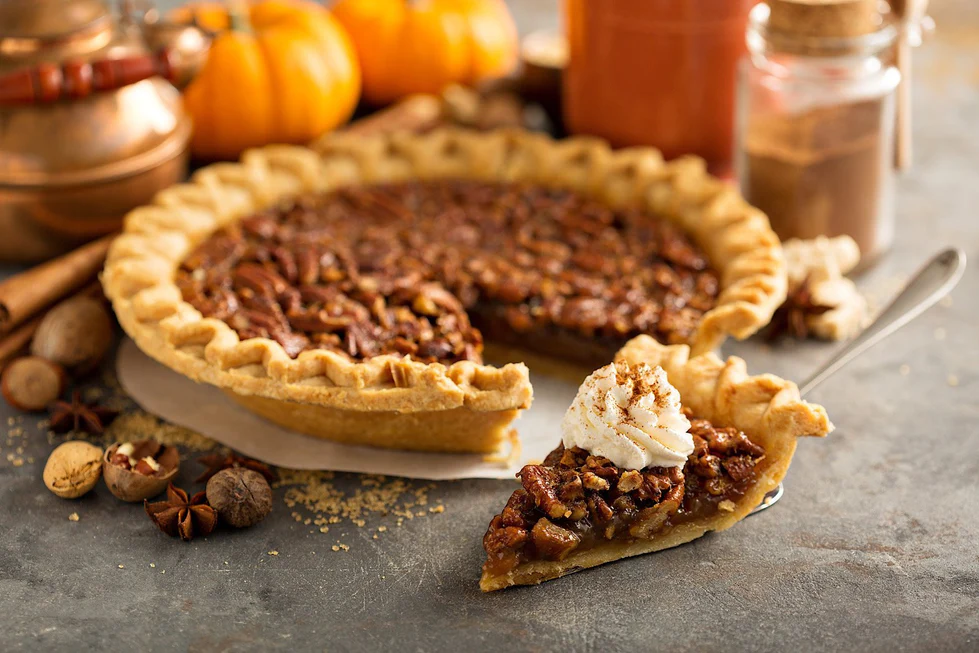
Pecans are a beloved nut, especially in the United States. They are famous for their rich, buttery flavor and satisfying crunch. While many people associate them with holiday desserts like pecan pie, the story and benefits of this nut go much deeper. From their fascinating history rooted in North American soil to their impressive nutritional profile, there is a lot to discover about pecan’s. This guide will explore everything you need to know, from how they grow to the many ways you can enjoy them. We’ll crack open the shell and reveal the incredible world of this versatile and delicious nut. Get ready to see pecan’s in a whole new light.
Key Takeaways
- Pecan’s are the only major tree nut native to North America, with a history tied to Native American culture and cuisine.
- They are packed with nutrients, including healthy fats, fiber, vitamins, and minerals that support heart and brain health.
- The United States, particularly Georgia, New Mexico, and Texas, is the world’s leading producer of pecan’s.
- Beyond pies, pecan’s can be used in a wide variety of sweet and savory dishes, from salads and main courses to snacks and desserts.
- Proper storage is key to maintaining freshness; shelled pecan’s should be refrigerated or frozen to prevent the oils from going rancid.
A Rich History: The North American Native Nut
Unlike many other popular nuts that were brought over from other continents, the pecan tree (Carya illinoinensis) is native to North America. Its history is deeply intertwined with the continent itself. Pecan trees grew wild along river valleys, primarily in the central and southern regions of what is now the United States and parts of Mexico. For centuries before European settlement, Native American tribes cherished the pecan. They relied on this calorie-dense nut as a significant food source, especially during the fall and winter months. The word “pecan” itself is believed to derive from an Algonquin word, “pacane,” which means “a nut requiring a stone to crack.”
Native Americans were the original cultivators of the pecan’s. They not only gathered the nuts from wild trees but also planted and managed groves. They ate them raw, ground them into a “nut milk” for infants and the elderly, and used them to thicken stews and create other dishes. When European explorers and settlers arrived, they were introduced to the pecan through trade with these tribes. Thomas Jefferson was one of the early American enthusiasts; he planted pecan trees at his Monticello estate and shared them with others, helping to spread their popularity. This deep-rooted history makes the pecan a true American classic.
The Nutritional Powerhouse of Pecan’s
Pecan’s are not just delicious; they are also packed with essential nutrients that can benefit your health in numerous ways. They are an excellent source of healthy monounsaturated fats, similar to those found in olive oil. These fats are crucial for heart health as they can help lower bad cholesterol (LDL) and raise good cholesterol (HDL). In addition to healthy fats, pecan’s provide a good amount of dietary fiber, which is important for digestive health, regulating blood sugar levels, and helping you feel full and satisfied after eating. This combination of fat and fiber makes pecan’s a great snack for maintaining energy levels throughout the day.
But the benefits don’t stop there. Pecan’s are also rich in vitamins and minerals. They contain more than 19 different ones, including Vitamin A, Vitamin E, folic acid, calcium, magnesium, phosphorus, potassium, and zinc. They are particularly high in manganese, a mineral that is vital for metabolic function and bone health. Furthermore, pecan’s are a fantastic source of antioxidants. These compounds help protect your body’s cells from damage caused by free radicals, which can contribute to aging and various diseases. The high antioxidant content in pecan’s places them among the top nuts for fighting oxidative stress.
Pecan’s and Heart Health
One of the most celebrated benefits of eating pecan’s is their positive impact on cardiovascular health. The American Heart Association recognizes pecans as a heart-healthy food. This is largely due to their profile of unsaturated fats. Studies have shown that regularly including pecan’s in your diet can lead to a significant reduction in risk factors for heart disease. For example, consuming a handful of pecan’s daily can help lower LDL cholesterol levels, which is a primary contributor to the buildup of plaque in arteries. This plaque can harden and narrow the arteries, a condition known as atherosclerosis, which increases the risk of heart attack and stroke.
The fiber content in pecan’s also plays a role by helping to clear cholesterol out of the body. Furthermore, pecan’s contain beta-sitosterol, a plant sterol known for its cholesterol-lowering abilities. The antioxidants, like gamma-tocopherols (a form of Vitamin E), found in pecan’s also contribute to heart health by preventing the oxidation of fats in the blood, a key step in the development of arterial plaque. Adding a handful of pecan’s to your daily routine is a simple and tasty way to support a healthy heart.
Brain-Boosting Benefits
What’s good for your heart is often good for your brain, and pecan’s are no exception. The nutrients found in these nuts can play a role in maintaining and improving cognitive function. The monounsaturated fats that are so beneficial for your arteries also support brain health by ensuring good blood flow, which delivers essential oxygen and nutrients. Proper blood flow is critical for memory, focus, and overall mental clarity. The various antioxidants in pecan’s also provide a protective effect for the brain.
Oxidative stress is a known factor in the development of age-related cognitive decline and neurodegenerative diseases. The powerful antioxidants in pecan’s, such as Vitamin E, help combat this cellular damage, potentially slowing down the aging process in the brain. Additionally, minerals like manganese and copper, which are abundant in pecan’s, are co-factors for enzymes that are involved in brain function. For instance, manganese is essential for the function of neurotransmitters, the chemical messengers that allow brain cells to communicate. Including pecan’s in your diet can be a delicious strategy for keeping your mind sharp.
From Orchard to Table: How Pecan’s Grow
The journey of a pecan from a tree to your kitchen is a long and fascinating one. Pecan trees are large deciduous trees that can grow to heights of over 100 feet and live for more than 300 years. They thrive in regions with hot, humid summers and require a lot of water. The United States is the world’s leading producer of pecan’s, with states like Georgia, New Mexico, and Texas being the top growers. The pecan harvest season typically runs from October through December. During this time, growers use specialized equipment to shake the trees, causing the ripe nuts to fall to the ground.
Once on the ground, the nuts are swept into rows and collected by mechanical harvesters. They are then transported to a cleaning facility where twigs, leaves, and other debris are removed. The pecans, still in their outer husks, are dried to a specific moisture level to ensure optimal quality and shelf life. After drying, they go through a shelling process. This can be a tricky operation, as the goal is to crack the hard outer shell without damaging the delicate nut meat inside. Large-scale operations use sophisticated machinery to crack and separate the shells from the kernels. The resulting pecan’s are then sorted by size and grade, with the highest quality halves reserved for retail sale and baking.
A Guide to Pecan Varieties
Just as there are many types of apples, there are also numerous varieties of pecan’s. Over 1,000 cultivars have been named, but only a handful are widely grown commercially. These varieties differ in size, shape, shell thickness, flavor, and oil content. Some are better for commercial processing, while others are prized for their large, perfect halves, making them ideal for snacking and baking. Knowing a few of the main types can help you choose the best pecan for your needs.
Here is a table outlining some popular pecan varieties:
|
Variety |
Characteristics |
Primary Use |
|---|---|---|
|
Desirable |
Large nut, well-filled, medium-thick shell. Good disease resistance. |
In-shell sales, high-end baking |
|
Stuart |
Medium-sized nut, thick shell, consistent producer. A classic Southern variety. |
General baking, cracking at home |
|
Pawnee |
Large nut, very thin shell, early harvest. Known for its excellent flavor. |
Snacking, fresh market sales, pies |
|
Kanza |
Medium-sized nut, excellent kernel quality, and high yield. Very disease resistant. |
Commercial shelling, oil production |
|
Elliott |
Small, round nut with a very high oil content and rich flavor. |
Confections, pecan butter, gourmet snacks |
Each of these varieties brings something unique to the table. The choice often comes down to personal preference and intended use. For instance, the thin-shelled Pawnee is easy to crack by hand, making it a great option for enjoying fresh. The rich flavor of the Elliott makes it a favorite for candy makers. Exploring the different types of pecan’s can be a fun culinary adventure.
How to Buy and Store Pecan’s Properly
To get the most out of your pecan’s, it is important to buy fresh ones and store them correctly. Because of their high oil content, pecans can go rancid if not stored properly. When buying pecans still in their shells, look for nuts that feel heavy for their size and don’t have any cracks or holes. Shake one next to your ear; if you hear a rattling sound, the nut inside has likely dried out and is old. For shelled pecans, whether halves or pieces, they should look plump and have a uniform color. Avoid any that appear shriveled, dark, or smell musty.
Proper storage is the most critical step. If you plan to use your shelled pecan’s within a few weeks, you can keep them in an airtight container in the refrigerator. The cool temperature slows down the process of the oils turning rancid. For longer-term storage, the freezer is your best friend. Place the pecans in a heavy-duty freezer bag or an airtight container. They will keep for up to two years in the freezer without a significant loss in quality. You can use them directly from the freezer; they thaw very quickly. Storing your pecan’s this way ensures you always have fresh, flavorful nuts ready for any recipe.
Beyond the Pie: Creative Ways to Use Pecan’s
While pecan pie is an undisputed classic, these versatile nuts have so much more to offer. Their buttery flavor and satisfying texture make them a fantastic addition to a wide range of both sweet and savory dishes. Toasting pecan’s before using them is a simple step that greatly enhances their flavor and crunch. Simply spread them on a baking sheet and bake at 350°F (175°C) for 5-10 minutes, until they are fragrant. Once you have toasted them, the possibilities are endless. You can find inspiration for new recipes and cooking techniques on sites that cover a variety of lifestyle topics, such as https://forbesplanet.co.uk/.
Thinking outside the dessert box can reveal how truly versatile pecan’s are.
Savory Applications
- Salads: Toasted and chopped pecan’s add a wonderful crunch and richness to any salad. They pair particularly well with goat cheese, blue cheese, apples, and pears.
- Crusted Meats and Fish: Grind pecan’s into a coarse meal and use it as a crust for chicken, pork, or fish like salmon or trout. It creates a delicious, nutty crust when baked or pan-fried.
- Pesto: Substitute some or all of the pine nuts in a traditional pesto recipe with toasted pecan’s for a creamier, richer flavor.
- Vegetable Dishes: Sprinkle chopped pecan’s over roasted vegetables like Brussels sprouts, sweet potatoes, or green beans for the last few minutes of cooking.
Sweet Applications
- Breakfast: Add chopped pecan’s to your oatmeal, yogurt, or granola for a boost of flavor, texture, and nutrients.
- Baking: Incorporate them into muffins, scones, cookies, and breads. They add a wonderful richness to banana bread or chocolate chip cookies.
- Snacks: Make your own spiced pecans by tossing them with a little melted butter, maple syrup, cinnamon, and a pinch of cayenne before toasting. They make a highly addictive snack.
- Pecan Butter: Just like peanut or almond butter, you can make your own pecan butter by processing toasted pecan’s in a food processor until smooth and creamy.
Conclusion
Pecan’s are far more than just a seasonal treat; they are a nutritional powerhouse with a rich American history. From their origins as a staple food for Native Americans to their status as a globally loved nut, the journey of the pecan is remarkable. Their impressive profile of healthy fats, fiber, vitamins, and antioxidants makes them a valuable addition to any diet, supporting everything from heart health to brain function. With a wide array of varieties and countless culinary uses that go well beyond the classic pie, pecan’s offer a world of flavor and texture to explore. By understanding how to select, store, and creatively use them, you can enjoy the many benefits and the delicious taste of this truly special nut all year round.
Frequently Asked Questions (FAQ)
Q: Are pecans a healthy nut to eat?
A: Yes, pecan’s are very healthy. They are an excellent source of healthy monounsaturated fats, dietary fiber, and more than 19 vitamins and minerals, including Vitamin E, manganese, and zinc. They are particularly known for their heart-health benefits and high antioxidant content.
Q: What is the difference between a pecan and a walnut?
A: While both are tree nuts, they have distinct differences. Pecan’s are generally sweeter and have a more buttery, delicate flavor and a smoother, oval shape. Walnuts have a more robust, slightly bitter flavor and a distinct, brain-like shape. In terms of nutrition, pecan’s are higher in fiber and monounsaturated fat, while walnuts are a top source of plant-based omega-3 fatty acids.
Q: Can you eat pecans raw?
A: Absolutely! Raw pecans are delicious and perfectly safe to eat. They have a softer texture and a milder flavor compared to their toasted counterparts. Toasting them brings out their natural oils and enhances their nutty flavor and crunch.
Q: Why are pecan’s so expensive?
A: Several factors contribute to the price of pecan’s. Pecan trees take a long time to mature and produce a good crop, sometimes 7-10 years. They are also alternate-bearing, meaning they produce a large crop one year and a much smaller one the next. Weather events like hurricanes and droughts can severely impact the harvest, and the processes of harvesting, cleaning, and shelling are labor and equipment-intensive.
Q: How many pecan’s should I eat in a day?
A: A typical serving size for nuts is about one ounce, which is roughly a handful or about 15-20 pecan halves. This amount provides significant nutritional benefits without adding excessive calories to your diet. It’s a great portion for a healthy and satisfying snack.
Stay Informed With the Latest & Most Important News
Previous Post
Next Post










Advertisement