

Now Reading: The Enduring Allure of French Tip Nails: A Complete Guide
-
01
The Enduring Allure of French Tip Nails: A Complete Guide

The world of nail art is vast and ever-changing, but one style remains a timeless classic: french tip nails. This iconic look, known for its clean, polished, and sophisticated appearance, has graced the hands of everyone from Hollywood stars to boardroom executives for decades. But what makes this simple design so enduring? It’s more than just a nude base and a white tip; it’s a symbol of elegance that can be endlessly reinvented. Whether you’re a long-time fan or new to the trend, this guide will walk you through everything you need to know about achieving and maintaining the perfect french tip nails. From its surprising history to modern, colorful variations and DIY tips, get ready to fall in love with this manicure all over again.
The Surprising History of a Classic Manicure
You might assume from the name that french tip nails originated in the romantic streets of Paris. However, the true origin story is a bit more Hollywood than Parisian. The look was actually created in the 1970s by Jeff Pink, the founder of the nail brand Orly. He was tasked by movie directors to create a versatile nail style that would complement any costume change an actress had to make, saving valuable time on set. The result was a natural-looking manicure with a sheer pink or nude base and a crisp white tip that looked healthy, clean, and went with everything. He initially called it the “Natural Look.” It wasn’t until he took the style to the fashion runways of Paris, where it became an instant hit, that he rebranded it as the “French Manicure” in honor of his new French friends and its runaway success there. This clever marketing cemented its association with French chic, and the name has stuck ever since.
What Defines the Classic French Tip Nails Look?
At its core, the classic french tip nails style is defined by its simplicity and understated elegance. The traditional look features two key components. First is the base, which is typically a sheer, natural-looking polish in shades of pale pink, beige, or nude. This color is meant to enhance the natural appearance of the nail bed, giving it a healthy and uniform glow. The second, and most defining, element is the tip. A crisp, opaque line of white polish is painted across the free edge of the nail, creating a sharp contrast with the natural base. The goal is to mimic the look of a healthy, natural nail, only better. This clean and polished finish makes it a go-to choice for weddings, professional settings, and everyday wear. Its universal appeal lies in its ability to make hands look groomed and graceful without being distracting or overly trendy.
The Anatomy of the Perfect Tip
Creating that perfect, crisp line is the secret to flawless french tip nails. The shape and thickness of the white tip, often called the “smile line,” can be customized to flatter different nail shapes and lengths.
- For short nails: A thinner, more subtle white line can help elongate the appearance of the nail bed. A deep, dramatic smile line can sometimes make short nails appear even shorter.
- For long, almond, or stiletto nails: These shapes can handle a deeper, more curved “V” or smile line, which accentuates their elegant length and shape.
- For square or squoval nails: A straighter, less curved smile line often complements the geometric shape of the nail best, maintaining a clean and modern look.
Achieving this precision can be done with a steady hand, a fine-tipped brush, or guide strips for those doing their nails at home. The key is consistency across all ten nails to create a harmonious and professional-looking manicure.
Modern Twists: Reinventing a Classic
While the traditional pink-and-white combination is timeless, today’s nail artists and enthusiasts have taken french tip nails to a whole new level. The classic design serves as a perfect canvas for creativity, allowing for endless variations that can match any mood, season, or outfit. These modern takes keep the style fresh and exciting, proving that this manicure is far from one-note. From subtle changes in color to bold new shapes and finishes, the French manicure has evolved into a playground for personal expression. Experimenting with these variations is a great way to put your own spin on the iconic look while still paying homage to its elegant roots. Exploring these options can inspire your next salon visit or DIY nail session.
Colored French Tip Nails
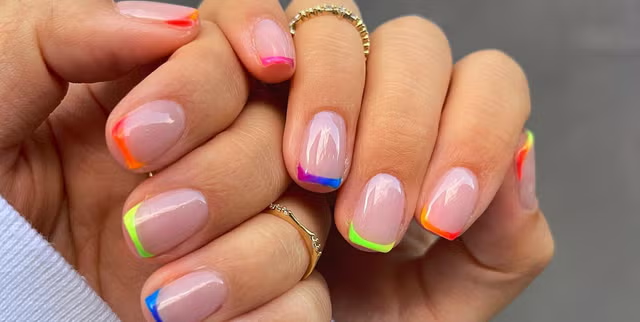
One of the most popular modern variations is the colored french tip nails style. Instead of the classic white, the tips are painted with virtually any color imaginable. This allows you to coordinate your nails with your outfit, celebrate a season, or simply show off your favorite hue.
- Pastels: Soft lavenders, mint greens, and baby blues are perfect for a delicate, spring-inspired look.
- Neons: Bright pinks, electric yellows, and vibrant oranges make a bold statement for summer or a fun night out.
- Deep Hues: Burgundy, navy, and forest green tips offer a sophisticated and moody take on the trend, ideal for autumn and winter.
You can even do a different color on each nail for a playful rainbow effect that is sure to draw compliments.
The Reverse French Manicure
The reverse French, also known as a half-moon manicure, flips the script entirely. Instead of painting the tip, this style accentuates the lunula—the small, crescent-shaped area at the base of your nail. A contrasting color is painted along the cuticle line, leaving the rest of the nail a different shade or even bare. This look was popular in the 1920s and has made a major comeback. You can pair a metallic half-moon with a dark, glossy base for a glamorous, art-deco feel, or use a bright color against a nude base for a more modern and playful vibe. This unique take on french tip nails is chic, unexpected, and a great way to stand out from the crowd.
Micro French: The Minimalist’s Dream
For those who love a “barely there” look, the micro French is the perfect choice. This is a super-subtle version of the classic french tip nails design, featuring an ultra-thin line of polish along the very edge of the nail. It gives the illusion of a longer nail bed and a clean finish without being obvious. The line can be so fine that it’s almost imperceptible from a distance, making it the ultimate minimalist statement. This style works beautifully on short, natural nails and is perfect for professional environments where you want to look polished but understated. While white is the classic choice, a micro French with a pop of color or a metallic line can add a tiny, delightful surprise to your manicure.
Salon vs. DIY: Which is Right for You?
When it comes to getting the perfect french tip nails, you have two main options: heading to a professional salon or trying it yourself at home. Both have their pros and cons, and the best choice depends on your budget, skill level, and how much time you have. A salon visit offers expertise and a pampering experience, ensuring a flawless and long-lasting result. A nail technician has the steady hands and professional-grade products to create crisp, even lines that can be difficult to achieve on your own, especially on your non-dominant hand. On the other hand, a DIY French manicure can be a fun, creative outlet that saves you money. With a little practice and the right tools, you can achieve beautiful results from the comfort of your own home.
Getting Salon-Quality French Tip Nails
If you choose the salon route, you’re paying for professional results. A technician can perfectly shape your nails, provide meticulous cuticle care, and apply the polish with expert precision. You also have more options available, such as gel, dip powder, or acrylic french tip nails, which offer greater durability than regular polish. Be sure to communicate exactly what you want—whether it’s a classic look, a deep smile line, or a modern color variation. Don’t be afraid to bring in a picture for reference. In the United States, you can expect to pay anywhere from $35 to $75+ for a set of gel french tip nails, depending on the salon’s location and reputation. While it’s a bigger upfront investment, the flawless finish and longevity often make it worthwhile.
Mastering the DIY French Manicure
Creating your own french tip nails at home is a rewarding skill. It may take some practice, but with the right tools and techniques, you can achieve a beautiful result.
What You’ll Need:
- A base coat to protect your nails
- A sheer pink or nude polish for the base
- An opaque white polish for the tips
- A glossy top coat to seal the design
- Optional: Nail art brushes, guide strips, or a silicone stamper
Step-by-Step Guide:
- Prep Your Nails: Start by filing and shaping your nails. Gently push back your cuticles and buff the nail surface for a smooth canvas.
- Apply the Base: Apply one thin layer of your base coat, followed by one or two coats of your sheer pink or nude polish. Let it dry completely.
- Create the Tips: This is the trickiest part. You can either freehand the white tips with the polish brush, use a thin nail art brush for more control, or apply French tip guide stickers for a foolproof line. A popular hack involves painting the white polish onto a silicone nail stamper and gently pressing the tip of your nail into it.
- Clean Up: Use a small brush dipped in acetone to clean up any mistakes and sharpen the smile line.
- Seal It: Once the tips are fully dry, apply a high-shine top coat to protect your manicure and make it last.
Comparing Modern French Tip Nail Styles
With so many variations available, it can be tough to choose the right one. This table breaks down some of the most popular modern styles to help you decide.
|
Style/Technique |
Difficulty (DIY) |
Cost Range (USD – Salon) |
Longevity (with Gel/Dip) |
Best For |
|---|---|---|---|---|
|
Classic French |
Medium |
$35 – $65 |
2-3+ weeks |
Timeless elegance, professional settings, weddings. |
|
Micro French |
Medium-Hard |
$40 – $70 |
2-3+ weeks |
Minimalists, short nails, understated look. |
|
Reverse French |
Hard |
$45 – $75 |
2-3+ weeks |
A bold, vintage-inspired statement. |
|
Colored French |
Medium |
$40 – $70 |
2-3+ weeks |
Expressing personality, matching outfits, seasonal fun. |
|
Chrome French |
Hard |
$50 – $85+ |
2-4+ weeks |
A trendy, high-impact, futuristic look. |
How to Make Your French Tip Nails Last Longer
Whether you’ve spent your time at a salon or carefully crafted them at home, you want your beautiful french tip nails to last as long as possible. Longevity depends on the type of polish used (regular, gel, or dip powder) and how you care for your hands and nails. Regular polish manicures might last a few days to a week without chipping, while gel or dip powder can last for two to four weeks. To maximize the life of your manicure, always be mindful of how you use your hands. Simple habits can make a huge difference in preventing premature chipping, lifting, or dulling of the finish. Protecting your nails from harsh chemicals and physical stress is the most important step you can take. As we note at https://forbesplanet.co.uk/, proper aftercare is key to maintaining any cosmetic enhancement.
Italicized Pro-Tips for Longevity:
- Wear gloves when doing dishes or cleaning with harsh chemicals. This is the number one rule for protecting your manicure.
- Apply cuticle oil daily. Hydrated cuticles and nail beds prevent lifting and keep your nails healthy, which helps the polish adhere better.
- Avoid using your nails as tools to open cans, scrape things, or type too aggressively. Treat them as jewels, not tools.
- Apply a fresh layer of top coat every few days for regular polish manicures to refresh the shine and add an extra layer of protection.
- Be gentle with your hands for the first 24 hours after a gel manicure, as the polish can still be settling, even after it’s cured.
Common Mistakes to Avoid
Achieving flawless french tip nails requires avoiding a few common pitfalls that can ruin the look. One of the most frequent errors is creating a tip that is too thick or bulky. An overly thick white line can look dated and make the nails appear shorter and wider. Aim for a crisp, elegant line that complements your nail shape. Another mistake is choosing a base color that clashes with your skin tone. The goal of the nude or pink base is to look natural, so select a shade that enhances your skin’s undertones. A chalky or opaque base can look less sophisticated than a sheer one. Finally, messy or uneven smile lines are a dead giveaway of a rushed job. Taking your time to ensure each smile line is smooth and consistent across all nails is crucial for a professional-looking result.
Seasonal French Tip Nail Ideas
One of the best things about french tip nails is how easily they can be adapted for any season or holiday. This allows you to stay on-trend while sticking with a classic structure you love. By simply swapping colors or adding small embellishments, you can create a festive and timely look.
- Spring: Think pastel tips. Soft shades of lilac, mint green, baby blue, and pale yellow on a classic nude base evoke the feeling of blooming flowers. You could even add a tiny floral decal on an accent nail.
- Summer: Go bold and bright with neon or rainbow tips. Electric pink, lime green, and vibrant orange are perfect for beach days. A “double French” with two different bright colors can also be a fun look.
- Autumn: Embrace warm, earthy tones. Tips in shades of burgundy, burnt orange, deep brown, and forest green are perfect for the cozy season. A touch of gold glitter along the smile line can add a festive touch.
- Winter: Opt for cool and festive colors. Deep navy, icy blue, or classic red tips are great for the holiday season. A silver or gold glitter tip is another popular choice for a glamorous, celebratory manicure.
The Future of French Tip Nails: What’s Next?
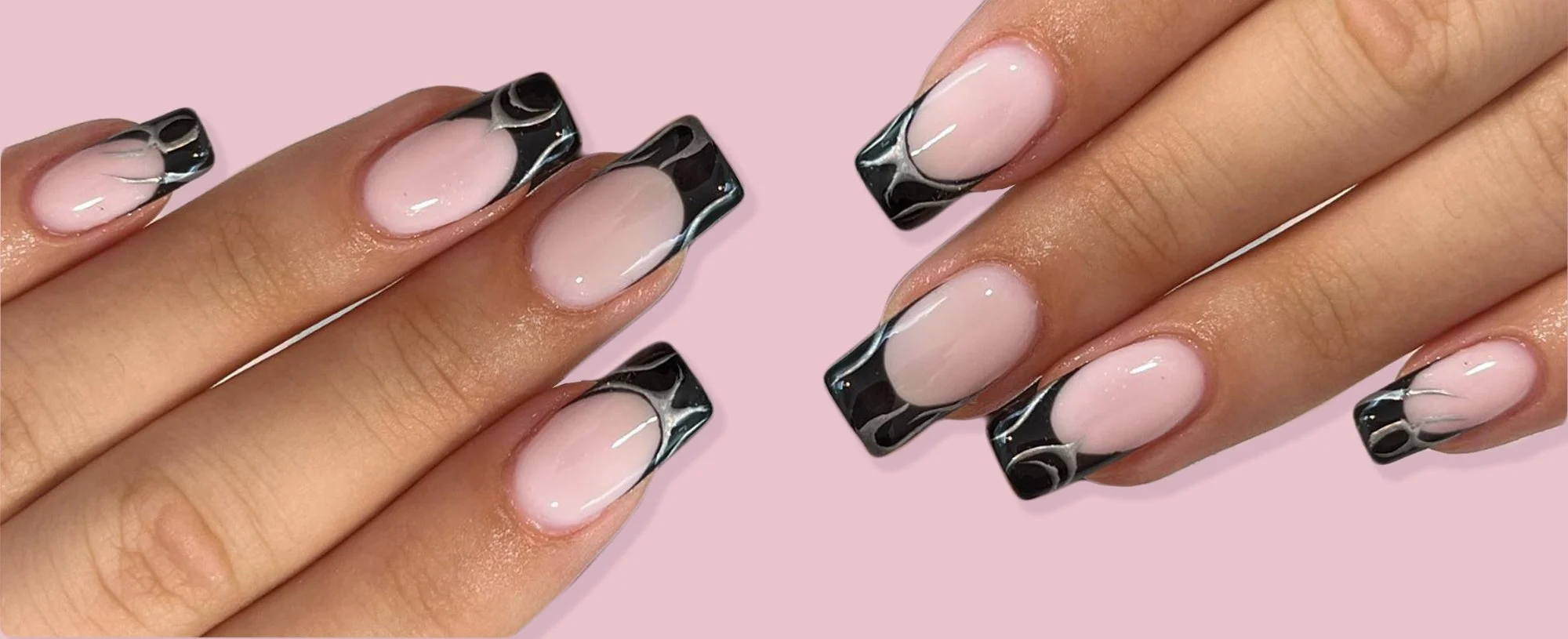
The trend cycle for french tip nails shows no signs of slowing down. As we look to the future, we can expect even more creative interpretations of this timeless design. Nail artists are constantly pushing boundaries, and we’re likely to see more experimentation with textures and finishes. Think velvet tips, matte-on-glossy combinations, and “deconstructed” French manicures where the line is broken or abstract. 3D embellishments like pearls, tiny gems, or metallic charms placed along the smile line are also gaining popularity for a more maximalist take. The “invisible” or clear French, where the nail base is completely clear and only a colored tip is visible, will continue to be a chic, minimalist option. Ultimately, the future of the French manicure is about personalization and self-expression.
Conclusion
The french tip nails manicure is a true chameleon of the beauty world. It can be classic and understated one day, then bold and colorful the next. Its simple structure provides the perfect foundation for endless creativity, ensuring it will never go out of style. Whether you prefer the timeless elegance of the original white tip, the minimalist chic of a micro French, or a vibrant, rainbow-colored design, there is a version of this manicure for everyone. By understanding the techniques, caring for your nails properly, and avoiding common mistakes, you can enjoy a flawless and long-lasting manicure that makes you feel polished and put-together.
Key Takeaways
- Timeless Yet Modern: The French manicure originated in the 1970s for Hollywood actresses and remains a staple due to its versatility.
- Endless Variations: Modern takes include colored tips, reverse (half-moon) designs, micro-thin lines, and glitter or chrome finishes.
- Salon vs. DIY: Salons offer professional, long-lasting results with gel or dip, while DIY is a cost-effective and creative option that requires practice.
- Longevity is Key: Protect your manicure by wearing gloves for chores, applying cuticle oil, and avoiding using your nails as tools.
- Precision Matters: The perfect French tip has a crisp, even smile line and a tip thickness that flatters your specific nail shape.
Frequently Asked Questions (FAQ)
Q: Can you get french tip nails on short nails?
A: Absolutely! French tip nails can look incredibly chic on short nails. The key is to keep the white tip thin and delicate. A “micro French” is an excellent option for shorter nails as it helps elongate the nail bed and looks very clean and sophisticated.
Q: How much do french tip nails cost in the US?
A: The cost varies greatly depending on the salon, location, and type of service. For a regular polish French manicure, you might pay $25-$50. For a longer-lasting gel or dip powder French manicure, prices typically range from $35 to $75 or more.
Q: What is the difference between a classic French and an American French manicure?
A: The difference is subtle and lies in the colors used. A classic French manicure uses a sheer pink base with a stark, bright white tip. An American manicure aims for a more natural look, using an off-white or creamy beige for the tip and a more natural, flesh-toned nude for the base.
Q: How do I fix a chipped French tip at home?
A: For a minor chip, you can gently file the edge smooth. Then, carefully dab a small amount of the white polish onto the chipped area with a toothpick or a very fine brush. Once dry, apply a new layer of top coat over the entire nail to blend it in.
Stay Informed With the Latest & Most Important News
Previous Post
Next Post











Advertisement