

Now Reading: A World of Wonder: Exploring Things That Are Green
-
01
A World of Wonder: Exploring Things That Are Green


Green is all around us.# A World of Wonder: Exploring Things That Are Green
Green is all around us. From the blades of grass in a park to the vibrant hue of a lime, the color green is a fundamental part of our world. It represents life, nature, renewal, and energy. But have you ever stopped to think about all the different things that are green? The list is vast and fascinating, stretching from the natural world to man-made objects and even into the realm of ideas and symbols.
This article will take you on a journey through the verdant spectrum. We will explore the science behind why so many plants are green, discover incredible green animals, and look at how the color is used in our everyday lives. We’ll delve into green foods that power our bodies and the precious green gemstones that have captivated humanity for centuries. Get ready to see this familiar color in a whole new light.
Key Takeaways
- Nature’s Dominant Color: The color green is most prominent in the plant kingdom due to a pigment called chlorophyll, which is essential for photosynthesis.
- Beyond the Obvious: While plants are the most common examples, many animals, minerals, and man-made objects are also green.
- Symbolism and Meaning: Green carries deep symbolic meaning across different cultures, often associated with nature, luck, jealousy, and safety.
- Green in Daily Life: We encounter green everywhere, from the food we eat and the money we use to the traffic lights that guide us.
The Science of Green: Why Is Nature So Green?
When you look outside, it’s hard to miss the overwhelming presence of green. Trees, bushes, and grass paint the landscape in countless shades. The reason for this green dominance lies in a microscopic pigment called chlorophyll. This is the magic ingredient that allows plants to perform a process called photosynthesis.
Photosynthesis is how plants create their own food. They use sunlight, water, and carbon dioxide to generate the energy they need to grow. Chlorophyll plays the starring role by absorbing light from the sun. Sunlight is made up of a spectrum of colors, like a rainbow. Chlorophyll is excellent at absorbing the red and blue parts of the light spectrum but not so good at absorbing the green part. Instead, it reflects green light, which is why our eyes perceive plants as green. So, when you see a lush, green forest, you are essentially seeing the color of light that plants don’t use. These botanical things that are green are the foundation of most ecosystems on Earth.
The Role of Chlorophyll
Chlorophyll is stored in tiny compartments inside plant cells called chloroplasts. There are a few different types of chlorophyll, but the most common one, chlorophyll a, is what gives plants their characteristic green color.
Beyond Green Plants
Interestingly, not all photosynthetic organisms are green. Some algae and bacteria use different pigments that absorb different wavelengths of light. This allows them to live in environments where the light is filtered, like deep underwater. For example, red algae have pigments that absorb blue light, which can penetrate deeper into the water than red light. This adaptation shows the incredible diversity of life on our planet.
A Tour of Green in the Animal Kingdom
While the plant world is saturated with green, the animal kingdom also features some stunning examples of green creatures. For animals, being green is often a matter of survival. It provides excellent camouflage, helping them blend in with leaves and foliage to hide from predators or to ambush unsuspecting prey.
Many reptiles and amphibians are masters of green camouflage. Think of the green tree frog, whose bright skin makes it nearly invisible among damp leaves. The emerald tree boa coils itself on branches, looking just like a vine. Chameleons are famous for their ability to change color, often turning various shades of green to match their surroundings perfectly. These animal things that are green use their coloration as a life-saving tool every single day.
Insects also widely use the color green. A praying mantis can sit motionless on a plant, waiting for another bug to wander by. A katydid looks so much like a leaf that you could stare right at it and not notice it. Even some birds, like the vibrant green quetzal or numerous species of parrots, use their green feathers to blend into the dense canopy of the rainforest.
How Animals Get Their Green Color
Animals achieve their green hue in a few different ways. Unlike plants, they don’t have chlorophyll.
- Pigmentation: Some animals have actual green pigments in their skin. For example, some frogs have bile pigments that give them a green color.
- Structural Coloration: This is a more complex and fascinating method. Instead of pigment, the green color comes from the microscopic structure of the animal’s surface. Tiny structures on their skin or feathers reflect light in a specific way that makes them appear green. Many birds, beetles, and butterflies get their iridescent green sheen this way.
- Borrowed Color: Some animals get their color from the food they eat. A classic example is the green caterpillar that munches on green leaves. The pigments from the leaves are incorporated into its body.
Delicious and Nutritious: Green Foods
The color green on your plate is often a sign of good health. Green fruits and vegetables are packed with vitamins, minerals, and fiber, making them an essential part of a balanced diet. These edible things that are green are nutritional powerhouses.
Leafy greens like spinach, kale, and lettuce are loaded with vitamins A, C, and K, as well as iron and calcium. They are also low in calories, making them perfect for maintaining a healthy weight. Cruciferous vegetables like broccoli and Brussels sprouts are famous for their cancer-fighting properties.
Fruits also come in beautiful green shades. Green apples offer a tart and crisp flavor, while green grapes are sweet and juicy. Avocados provide healthy fats that are good for your heart, and limes add a zesty kick to drinks and dishes. Herbs like basil, parsley, and cilantro not only add a fresh green color but also pack a punch of flavor and have their own health benefits. Including a variety of green foods in your diet is one of the best things you can do for your body.
|
Green Food |
Key Nutrients |
Common Use |
|---|---|---|
|
Spinach |
Vitamin K, Vitamin A, Iron, Folate |
Salads, Smoothies, Cooked Dishes |
|
Broccoli |
Vitamin C, Vitamin K, Fiber |
Steamed, Roasted, in Stir-fries |
|
Avocado |
Healthy Fats, Potassium, Fiber |
Guacamole, Toast, Salads |
|
Green Apple |
Fiber, Vitamin C, Antioxidants |
Eaten raw, in Pies, Sauces |
|
Kiwi |
Vitamin C, Vitamin K, Vitamin E |
Eaten raw, in Fruit Salads |
|
Cucumber |
Hydration, Vitamin K |
Salads, Sandwiches, Infused Water |
Green in Culture and Symbolism
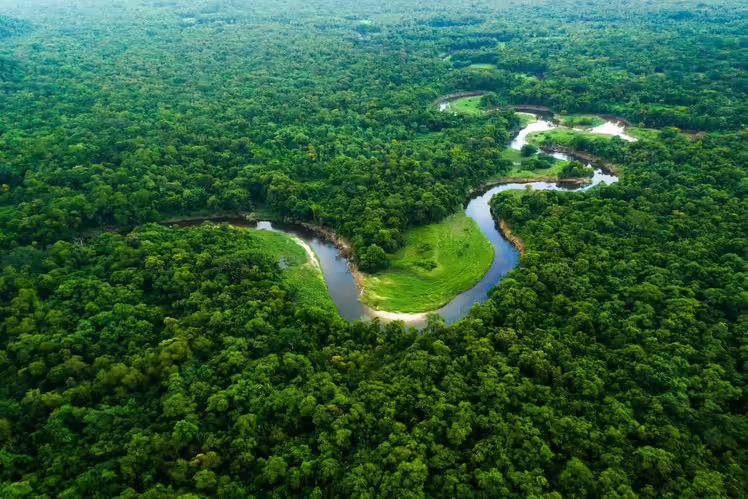
Beyond the natural world, green holds deep meaning for humans. It’s a color rich with symbolism that can change depending on the context and culture. For many, green is the ultimate symbol of nature, springtime, and new beginnings. It represents growth, freshness, and fertility. In our modern world, the “green movement” is synonymous with environmental protection and sustainability, a concept explored in-depth on sites like Forbes Planet.
However, green has a dual nature. It can also represent negative emotions. Have you ever heard the phrase “green with envy”? This connects the color to jealousy and greed. In some folklore, green has been associated with fairies and magic, sometimes with a mischievous or dangerous undertone.
The color also plays a crucial role in our daily signals and systems.
- Traffic Lights: A green light means “go,” a universal symbol for safety and permission to proceed.
- Finance: In the United States, paper money is often called “greenbacks.” In financial markets, green indicates a rise in stock value, representing profit and prosperity.
- Exit Signs: The bright green color of an exit sign is designed to be highly visible, guiding people to safety during an emergency.
These symbolic things that are green are deeply embedded in our language and collective consciousness.
Man-Made Green: Objects in Our World
Humans have learned to create the color green and use it for countless objects, tools, and decorations. From the paint on our walls to the color of our cars, green is a popular choice in design and manufacturing.
In home decor, different shades of green can create different moods. A light, mint green can make a room feel fresh and airy. A deep, forest green can create a sense of calm and sophistication. Many brands use green in their logos to associate their products with nature, health, or finance. Think of Starbucks, Whole Foods, or TD Bank.
Green is also a standard color for many functional items. Garden hoses are often green to blend in with the lawn. Recycling bins are typically green to symbolize their connection to the environment. Even something as simple as a green chalkboard has been a staple in classrooms for generations, providing a high-contrast surface for white chalk. These man-made things that are green show our ability to replicate and utilize one of nature’s most prevalent colors.
The History of Green Pigment
Creating a stable green pigment was historically challenging. Early green pigments were often made from minerals like malachite or earth clays. However, some of these, like Scheele’s Green developed in the 18th century, were made with arsenic. This pigment was beautiful and popular for wallpaper and paint, but it was also highly toxic, releasing poisonous gas when it became damp. Thankfully, modern chemistry has given us a wide range of safe and stable green pigments to use in all aspects of our lives.
Precious Greens: Gemstones and Minerals
The earth doesn’t just produce green life; it also creates stunning green minerals and gemstones. These precious things that are green have been admired and sought after for their beauty and rarity for thousands of years.
The most famous green gemstone is the emerald. A member of the beryl family of minerals, emeralds get their brilliant green color from trace amounts of chromium and sometimes vanadium. The most valuable emeralds have a pure, vibrant green hue and are highly transparent. They have been cherished by royalty and collectors throughout history, from Cleopatra to the present day.
Other beautiful green gemstones include:
- Peridot: Known for its lime-green color, peridot is sometimes called the “evening emerald.” It is one of the few gemstones that comes in only one color.
- Jade: Highly prized in Asian cultures, jade refers to two different minerals: nephrite and jadeite. It comes in many colors, but its most famous variety is a deep, imperial green. It symbolizes wisdom, balance, and peace.
- Tsavorite Garnet: A brilliant green variety of garnet, tsavorite is a relatively new discovery from East Africa. Its color and sparkle rival that of an emerald, but it is more durable.
- Malachite: This is an opaque mineral with a unique banded pattern of light and dark green. It is often carved into decorative objects and used in jewelry.
These green treasures from the earth serve as a reminder of the planet’s hidden beauty.
Conclusion
From the tiniest plant cell to the vast rainforest, from the camouflaged frog to the brilliant emerald, the world is filled with an incredible diversity of things that are green. This color is woven into the very fabric of our planet and our culture. It is the color of life, growth, and the natural world, providing the food we eat and the air we breathe. It is also a color we have adopted for our own uses, representing safety, wealth, and new ideas.
The next time you see the color green, take a moment to appreciate its significance. Whether it’s the simple pleasure of a walk in a green park, the healthy crunch of a green apple, or the calming presence of a green houseplant, this color enriches our lives in countless ways. By understanding the science, nature, and symbolism behind green, we can gain a deeper appreciation for the colorful and complex world we inhabit.
Frequently Asked Questions (FAQ)
Q1: Why are most plants green?
A: Most plants are green because of a pigment called chlorophyll. Chlorophyll is essential for photosynthesis, the process plants use to make food from sunlight. It absorbs red and blue light but reflects green light, which is why we see plants as green.
Q2: Are there any animals that are naturally green without camouflage?
A: Yes, though it’s less common than in plants. Some animals have green pigments in their skin. For example, the green turaco, a bird from Africa, has a unique copper-based pigment called turacoverdin that makes its feathers truly green. Most green animals, however, use structural coloration or pigments from their diet.
Q3: What does the color green symbolize?
A: Green has many symbolic meanings. It is most commonly associated with nature, life, fertility, and renewal. It also represents safety, permission (like a green light), and luck (like a four-leaf clover). On the negative side, it can symbolize jealousy, envy, and sickness.
Q4: What is the rarest green thing in nature?
A: In the world of gemstones, high-quality, large emeralds with deep color and high clarity are extremely rare and valuable. In the animal kingdom, animals with true green pigmentation (not from structure or diet) are quite rare. The green turaco is one of the few known examples.
Q5: How has the meaning of the color green changed over time?
A: The core association with nature has always been strong. However, in recent decades, “green” has become a powerful global symbol for environmentalism and sustainability. The “green movement” advocates for practices and policies that protect the natural world, a topic often discussed on platforms that focus on global well-being like Forbes Planet.
Stay Informed With the Latest & Most Important News
Previous Post
Next Post










Advertisement