

Now Reading: Your Guide to Finding Sofa Repair Near Me
-
01
Your Guide to Finding Sofa Repair Near Me

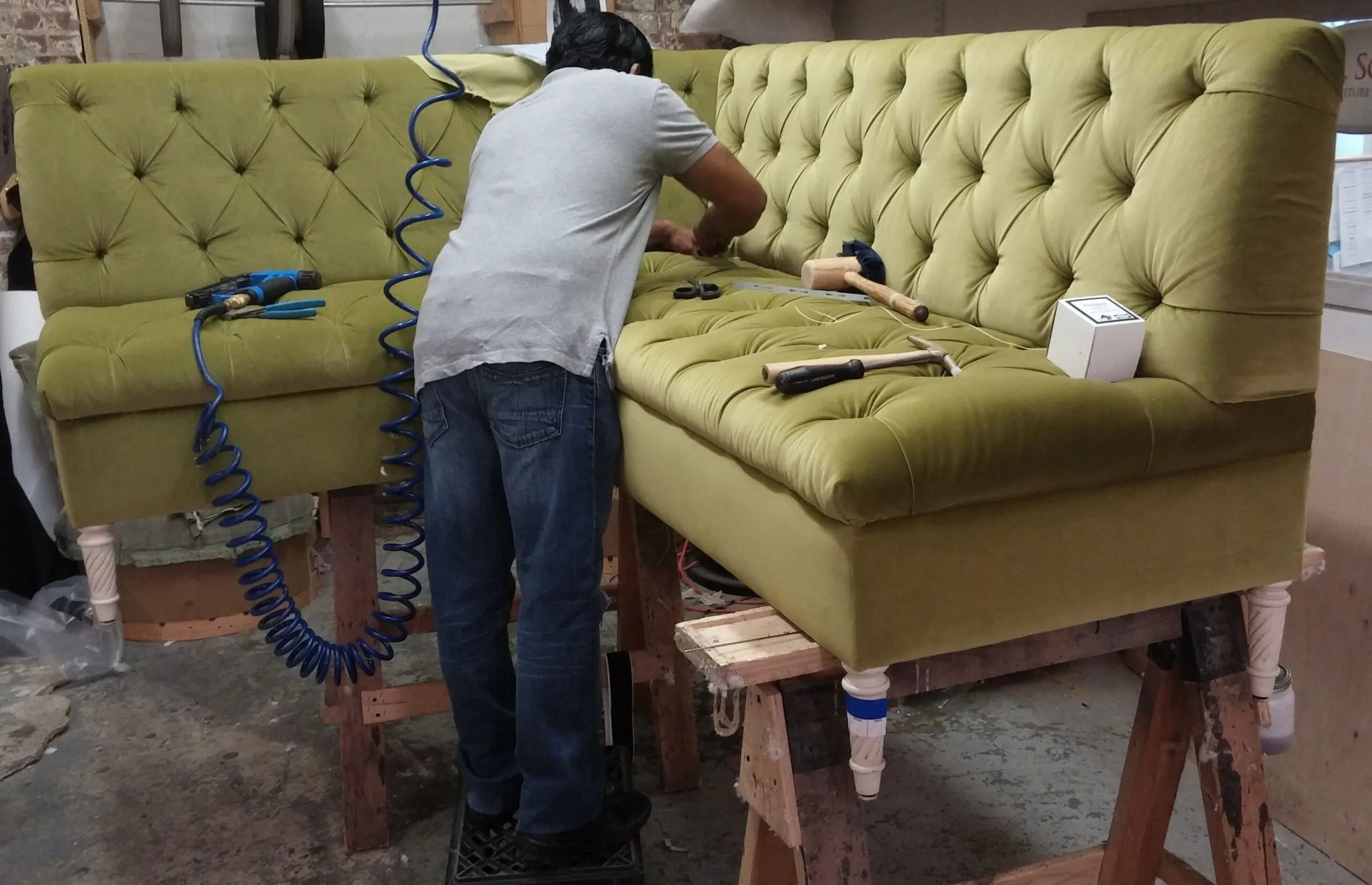
Has your favorite sofa seen better days? A lumpy cushion, a sagging spring, or an unsightly tear can make your beloved centerpiece look worn out. Before you consider the expensive and wasteful option of buying a new one, think about repair. Finding a reliable “sofa repair near me” service can breathe new life into your furniture, saving you money and preserving a piece full of memories. This comprehensive guide will walk you through everything you need to know about repairing your sofa, from identifying common problems to choosing the right professional for the job.
It’s easy to feel overwhelmed by the prospect of furniture repair. You might wonder if it’s worth the cost or how to even begin your search. The good news is that professional sofa repair is a thriving industry with skilled technicians ready to tackle any issue. Whether it’s a structural problem, fabric damage, or a mechanical failure in a recliner, an expert can often restore your sofa to its former glory. Let’s explore the world of sofa repair and find the best solution for you.
Key Takeaways
- Repair Over Replace: Repairing your sofa is often more cost-effective and environmentally friendly than buying a new one.
- Common Issues: Many common sofa problems, such as sagging cushions, broken frames, and fabric tears, are highly fixable by a professional.
- Finding the Right Pro: Research is key. Look for experienced technicians with positive reviews, clear pricing, and a portfolio of their work.
- DIY vs. Professional: While some minor cosmetic fixes can be done yourself, structural and complex repairs are best left to experts to avoid further damage.
- Ask the Right Questions: Prepare a list of questions about experience, cost, warranty, and timeline before hiring a repair service.
Why Choose Sofa Repair Over Replacement?
In a world that often encourages a “throwaway” culture, choosing to repair your sofa is a powerful decision. There are numerous compelling reasons why fixing your existing couch is a smarter move than heading to the furniture store. The most obvious benefit is the financial savings. A professional repair job almost always costs significantly less than a brand-new sofa of comparable quality. This allows you to allocate your budget to other home improvement projects or savings goals.
Beyond the cost, there’s the environmental impact. Furniture is a major contributor to landfill waste. By repairing your sofa, you are making an eco-conscious choice, reducing your carbon footprint, and promoting a more sustainable lifestyle. Moreover, many sofas, especially older ones, hold sentimental value.
They’re the backdrop for family movie nights, quiet afternoons with a book, and conversations with friends. Repairing a cherished piece of furniture preserves those memories and keeps a familiar comfort in your home. You also get to keep the quality you already know; a new, cheaper sofa may not have the same solid construction as the one you currently own.
Common Sofa Problems You Can Fix
Before you start your search for “sofa repair near me,” it’s helpful to identify what’s actually wrong with your couch. Technicians can fix a wide array of issues, from the purely cosmetic to the deeply structural. Understanding the problem will help you have a more productive conversation with a potential repair service.
Here are some of the most frequent sofa ailments that professionals can remedy:
- Sagging Cushions: Over time, foam or fiberfill in cushions compresses, leading to a lumpy, uncomfortable seat. Experts can replace or refill the inner material.
- Broken or Sagging Springs: Whether your sofa has serpentine (zig-zag) or coiled springs, they can break or lose tension, causing the seat to sink. This is a common structural repair.
- Frame Damage: A cracked or broken wooden frame can compromise the entire sofa’s stability. A skilled woodworker can often repair or reinforce the frame, making it strong again.
- Fabric and Upholstery Damage: Rips, tears, burns, and stubborn stains don’t have to be a permanent eyesore. Upholstery specialists can patch, mend, or even completely reupholster the piece.
- Recliner Mechanism Failure: For reclining sofas, the mechanical or electrical components can malfunction. Technicians specializing in recliners can fix everything from broken levers to faulty motors.
- Pet Damage: Scratches from cats or chew marks from dogs are a frequent complaint. Depending on the material, these areas can often be repaired or patched seamlessly.
How to Find the Best “Sofa Repair Near Me” Service
Your search for a great local repair service starts online. A simple search for “sofa repair near me” will give you a list of local businesses, but how do you narrow it down to find a true professional? The key is to do your homework and look for specific signs of a quality operation. Start by browsing their websites. A professional site should be easy to navigate and clearly list the services they offer. Look for a photo gallery or portfolio showcasing their past work. This gives you a direct look at the quality of their craftsmanship.
Customer reviews are your next best friend. Check reviews on Google, Yelp, and other third-party platforms. Don’t just look at the star rating; read what people are saying. Are they praising the technician’s skill, professionalism, and punctuality? Did the company communicate clearly about costs and timelines? Pay attention to how the business responds to negative reviews, as this can reveal a lot about their commitment to customer service. Finally, don’t be afraid to ask for references. A confident and reputable business will be happy to connect you with satisfied customers.
Questions to Ask Before Hiring a Repair Technician
Once you have a shortlist of potential candidates, it’s time to pick up the phone or send an email. Being prepared with the right questions will help you make an informed decision and avoid any surprises down the line. A transparent and professional technician will welcome your questions and provide clear, direct answers.
Here’s a checklist of what to ask:
- “How much experience do you have with my specific type of sofa/problem?” A technician who specializes in leather repair might not be the best choice for a broken recliner mechanism.
- “Can you provide a detailed estimate?” Ask for a breakdown of costs, including labor, materials, and any potential travel fees.
- “Do you offer a warranty on your work?” A reputable service will stand behind their repairs with some form of guarantee.
- “What is the estimated timeline for the repair?” This helps you manage your expectations and plan accordingly.
- “Do you have insurance?” This is crucial. It protects you and your property in the unlikely event of an accident or further damage during the repair process.
- “Do you perform repairs in-home, or will I need to transport the sofa to your workshop?” This is a major logistical point to clarify upfront.
Understanding the Cost of Sofa Repair
One of the biggest questions on your mind is likely about the cost. The price of a sofa repair can vary widely based on several factors. The nature and extent of the damage are the primary drivers. A simple cushion restuffing will be far less expensive than a full frame reconstruction. The type of material also plays a significant role. Repairing delicate or high-end materials like leather or velvet requires specialized skills and products, which can increase the cost compared to standard fabric.
Your geographic location also influences pricing, as labor rates differ from city to city. To get a clear picture, always request a detailed quote from at least two or three different services. This allows you to compare prices and ensure you’re getting a fair market rate. Be wary of any quote that seems unusually low, as it could indicate a lack of experience or the use of subpar materials. A good technician will often ask for photos of the damage to provide a more accurate preliminary estimate before an in-person inspection.
Average Cost for Common Sofa Repairs
While prices vary, this table provides a general idea of what you might expect to pay for different types of repairs in the United States.
|
Repair Type |
Estimated Cost Range |
Factors Influencing Cost |
|---|---|---|
|
Cushion Refilling/Restuffing |
$75 – $250 per cushion |
Foam density, type of fill (down, synthetic), cushion size. |
|
Spring Replacement/Repair |
$200 – $500 |
Number of broken springs, type of spring system, accessibility. |
|
Frame Repair (Crack/Break) |
$250 – $600+ |
Severity of the break, location, materials needed for reinforcement. |
|
Upholstery Patch/Tear Repair |
$150 – $400 |
Size of the tear, fabric type, need for color matching. |
|
Recliner Mechanism Repair |
$200 – $550 |
Manual vs. electric mechanism, part availability, complexity. |
|
Leather Scratch/Scuff Repair |
$175 – $450 |
Size of the area, depth of the scratch, color matching process. |
Note: These are estimates. Always get a specific quote from a “sofa repair near me” service for an accurate price.
The DIY Route: When Can You Repair a Sofa Yourself?
Feeling handy? Some minor sofa repairs can be tackled as a DIY project, saving you the cost of labor. However, it’s crucial to be realistic about your skills and the scope of the problem. Cosmetic issues are generally the best candidates for at-home fixes. For instance, a small tear in the upholstery fabric, especially in an inconspicuous area, can often be mended with a curved upholstery needle and heavy-duty thread. There are also fabric patch kits available that can be ironed on or glued for a quick fix.
Another manageable DIY task is plumping up sagging cushions. If your cushion covers have zippers, you can easily add more fiberfill or wrap the existing foam core with a layer of polyester batting to restore its loft and comfort. Cleaning stains is also something you can often do yourself, provided you use the right cleaning solution for your sofa’s material.
Always check the manufacturer’s cleaning code (usually found on a tag) and test any cleaner on a hidden spot first. However, for anything structural like a broken frame or springs, it is highly recommended to call a professional. A failed DIY structural repair can cause more damage and even lead to injury.
Tools for Basic Sofa Repair
If you decide to tackle a small repair, having the right tools is essential.
- Curved Upholstery Needles: Designed to sew in tight spaces without having to remove the fabric.
- Heavy-Duty or Upholstery Thread: Much stronger than standard sewing thread and made to withstand tension.
- Fabric Glue: A strong adhesive for no-sew patches or reinforcing seams.
- Staple Gun: For re-attaching fabric to the frame.
- Pliers and Screwdrivers: For minor adjustments to mechanical parts or frame components.
Sofa Upholstery Repair: Fabric vs. Leather
The material of your sofa is the first thing people see, and damage to it can be particularly noticeable. The approach to repair differs significantly between fabric and leather.
Fixing Fabric Sofas
For fabric sofas, the most common issues are tears, stains, and pilling. A small rip can sometimes be stitched closed from the inside for a nearly invisible mend. For larger holes, a patch is often the best solution. A skilled professional can take a piece of matching fabric, often from a hidden area like the underside of the sofa or a skirt, and create a seamless patch.
When dealing with stains, professional cleaners have access to powerful yet safe solvents that can lift deep-set grime without damaging the fibers. Some experts even offer services found at sites like Forbes Planet, which provide insights into maintaining home goods. Complete reupholstery is an option for extensive damage or if you simply want a new look without buying a new sofa.
Restoring Leather Sofas
Leather is durable, but it’s not indestructible. Scratches, scuffs, color fading, and cracks are common problems. Leather repair is a specialized art that involves cleaning, conditioning, and color matching. For minor scratches, a technician can use a special filler and flexible dye to blend the damage away. For deeper gouges or cracks from dryness, the process is more intensive.
It often involves applying a flexible filler compound, sanding it smooth, and then carefully airbrushing a custom-mixed dye to match the original color and finish perfectly. This level of skill is why finding a specialist in leather when searching for “sofa repair near me” is so important. A generalist may not have the specific tools and experience to achieve a flawless result.
Structural Sofa Repairs: Frame and Springs
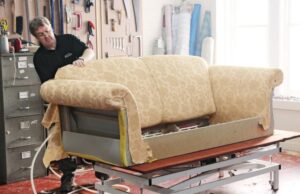
While upholstery damage affects the look of your sofa, structural damage affects its very function and safety. A wobbly leg or a sinking seat are signs of deeper issues that need immediate attention.
Repairing a Broken Sofa Frame
The frame is the skeleton of your sofa. Most are made of wood, and over time, joints can loosen or wood can crack under stress. A professional furniture medic will start by inspecting the frame to identify all points of weakness. For a cracked piece of wood, they may use a combination of strong wood glue and clamps to bond it back together. In more severe cases, they will reinforce the broken area by attaching a new piece of wood or a metal brace. They can also tighten or replace screws and dowels to eliminate wobbles and restore the sofa’s solid feel. This type of work requires woodworking skills and is best left to an experienced pro.
Fixing Sagging or Broken Springs
If you feel like you’re sinking into a hole when you sit down, you likely have a spring issue. There are two main types of spring systems in sofas: serpentine springs (S-shaped wires that run in rows) and hand-tied coil springs (individual coils tied together). For serpentine springs, a common failure is the clip that holds the spring to the frame breaking.
This is a relatively easy fix for a technician, who will simply replace the clip. If the spring itself has lost its tension, it will need to be replaced. For hand-tied systems, the twine that holds the coils together can fray and break. A technician will need to re-tie the springs, a labor-intensive but highly effective repair that restores the firm support of the seat.
Recliner Sofa Repair: Mechanical and Electrical Issues
Reclining sofas add an extra layer of comfort, but they also add an extra layer of complexity when it comes to repairs. Problems can be either mechanical or electrical.
Mechanical Recliner Problems
Mechanical issues are common in manually operated recliners. A broken pull handle or lever is a frequent complaint. These are often made of plastic and can snap under pressure. A technician can easily source and install a replacement part. Another common issue is a bent or broken linkage in the reclining mechanism itself. This can prevent the footrest from extending or retracting properly. A repair person can often straighten bent parts or replace broken ones to get the mechanism moving smoothly again.
Electrical Recliner Problems
Power recliners rely on a motor, wiring, and a control switch. When they fail, the problem usually lies in one of these three areas. A technician will typically start by checking the power supply and connections, as a loose wire is a simple fix. If the switch is the culprit, it can be replaced. A failed motor is the most expensive component to fix, but replacing the motor is still much cheaper than replacing the entire power reclining sofa. When searching for “sofa repair near me” for a power recliner, be sure to ask if they have experience with electrical furniture components.
Conclusion
Your sofa is more than just a piece of furniture; it’s a central part of your home life. When it starts to show signs of wear and tear, don’t rush to replace it. A professional repair can be a smart, sustainable, and satisfying solution. By identifying the problem, doing thorough research, and asking the right questions, you can find a skilled local technician to restore your sofa’s comfort and beauty. The next time you see a sag or a tear, remember that a search for “sofa repair near me” is the first step toward saving a piece of furniture you love, saving money, and making a positive choice for the environment.
Frequently Asked Questions (FAQ)
Q1: Is it worth it to repair an old sofa?
Absolutely. If the sofa has a solid frame (“good bones”), it is almost always worth repairing. High-quality older sofas were often built to last, and repairing them is more cost-effective and environmentally friendly than buying a new, lower-quality piece.
Q2: How much does it cost to completely reupholster a sofa?
The cost to reupholster a sofa can range from $800 to $4,000 or more. The price depends heavily on the size of the sofa, the chosen fabric (which can range from $20/yard to over $200/yard), and local labor rates. It’s a significant investment, but it allows you to completely customize the look of your sofa.
Q3: Can you repair a sofa that has been damaged by pets?
Yes, pet damage is a very common repair. Technicians can fix scratches on leather, patch holes chewed in fabric, and replace foam that has been damaged. For lingering odors, professional deep cleaning can also be highly effective.
Q4: How long does a typical sofa repair take?
A simple in-home repair, like fixing a recliner handle or restuffing a cushion, might take only an hour or two. More complex jobs like frame repair or spring replacement could take several hours or may require the technician to take the sofa to their workshop for a few days.
Q5: Should I try to fix my sofa’s broken frame myself?
It is not recommended. Frame repair is a structural job that requires specific tools and woodworking knowledge. An improper repair can fail, potentially causing injury or making the problem worse and more expensive to fix later. It’s best to call a professional for any structural issues.
Stay Informed With the Latest & Most Important News
Previous Post
Next Post











Advertisement