
Now Reading: Understanding the $2000 Federal Direct Deposit: What You Need to Know
-
01
Understanding the $2000 Federal Direct Deposit: What You Need to Know

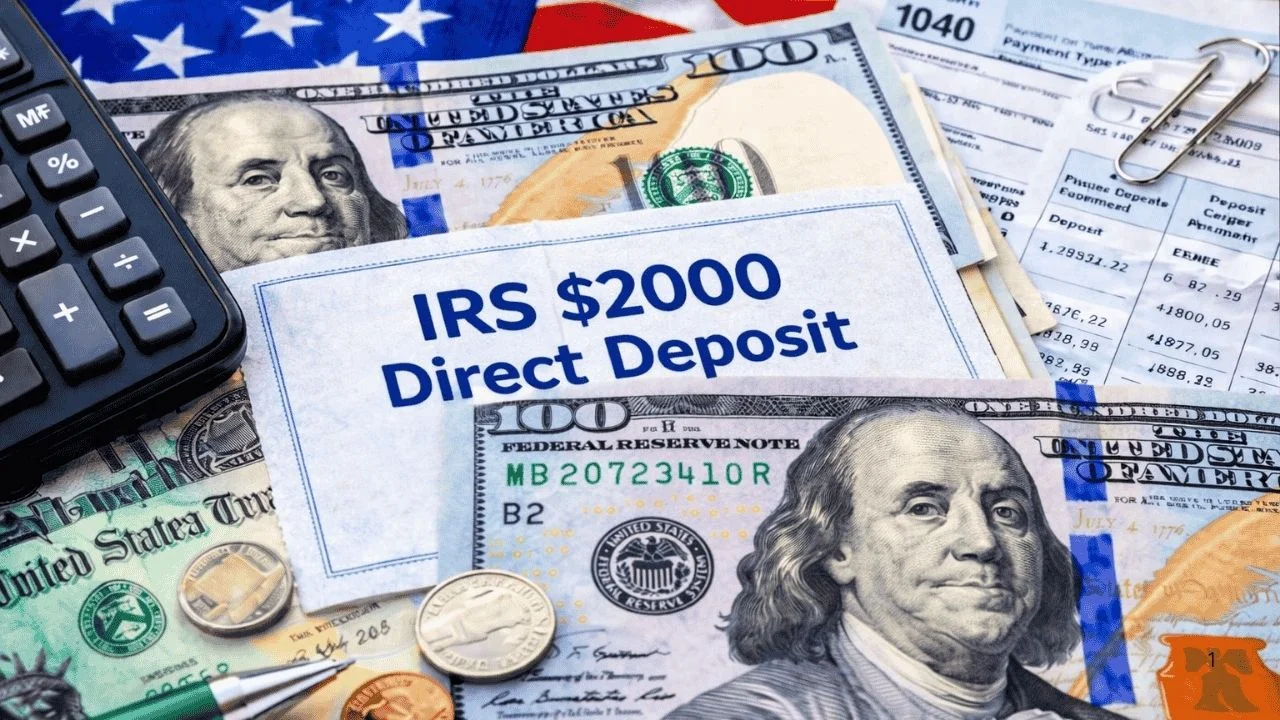
Discussions about government financial assistance often bring up specific figures, and one that frequently appears in online searches and social media is the $2000 federal direct deposit. This topic can be confusing, with information swirling about stimulus checks, tax refunds, and various benefit programs. This guide is here to clear things up. We will explore what this term means, separate fact from fiction, and explain how federal payments are typically handled. Understanding how these systems work is key to managing your finances and knowing what to expect from government agencies.
Key Takeaways
- The term $2000 federal direct deposit is often linked to discussions about stimulus payments or economic relief proposals but is not tied to a currently active, universal program for all Americans.
- Most federal payments, including tax refunds and Social Security benefits, are issued via direct deposit for speed and security.
- Eligibility for any federal payment is always determined by specific criteria set by law, such as income level, household size, or age.
- It is crucial to rely on official government sources like the IRS website for accurate information and to avoid scams related to promised payments.
What is a Federal Direct Deposit?
Before we dive into the specific dollar amount, let’s understand the core concept. A federal direct deposit is simply an electronic transfer of funds from the U.S. government directly into an individual’s bank account. This method is the standard for most federal payments today because it’s faster, more secure, and more efficient than mailing paper checks. The Department of the Treasury strongly encourages this method for everything from tax refunds to veterans’ benefits.
When you file your taxes or apply for federal benefits, you are typically asked to provide your bank account number and routing number. This information allows the government to send money directly to you. This process eliminates the risk of a check being lost, stolen, or delayed in the mail. For recipients, it means getting access to their funds almost immediately after they are sent.
The Origin of the “$2000 Federal Direct Deposit” Idea
The phrase $2000 federal direct deposit gained significant traction during the economic uncertainty caused by the COVID-19 pandemic. In response to widespread job losses and financial hardship, the U.S. government passed several relief packages. These packages included Economic Impact Payments, also known as stimulus checks, which were sent to millions of eligible Americans.
The amounts of these payments varied. While some were for $1,200 or $1,400, proposals were made by lawmakers for recurring or one-time payments of $2,000 to provide more substantial support. These proposals were widely discussed in the news and on social media, cementing the “$2,000” figure in the public’s mind. Although a universal $2,000 payment was not enacted in the final legislation, the term continues to surface whenever new economic relief measures are debated. It’s important to remember that this term often refers to a proposed or past idea rather than a current, active benefit program available to everyone.
Is There a Current $2000 Federal Stimulus Program?
As of late 2025, there is no active federal program providing a universal $2000 federal direct deposit to all Americans. The Economic Impact Payments issued during the pandemic have concluded. While the government continues to issue various payments, none are part of a new nationwide stimulus initiative of this specific amount.
It is vital to distinguish between ongoing, targeted federal benefits and broad-based stimulus programs. Targeted benefits are for specific groups, like retirees or low-income families. Stimulus payments are temporary measures designed to boost the economy during a crisis. Always check official sources like IRS.gov for the latest information on federal payments to avoid misinformation.
Misconceptions vs. Reality
The persistence of the $2000 federal direct deposit search term highlights a common issue: the spread of financial misinformation online. Scammers often exploit the hope for government aid by creating fake websites or social media posts promising easy money.
Common Misconceptions:
- A new $2,000 stimulus check is being sent to everyone.
- You can apply for a special $2,000 grant just by providing personal information.
- This payment is a recurring monthly benefit for all citizens.
The Reality:
- No such universal program is currently active.
- The government will never ask you to pay a fee or provide sensitive information via an unsolicited email or text to receive a legitimate payment.
- Most federal benefits are targeted based on specific eligibility requirements.
How Federal Payments Are Actually Distributed
While a universal $2,000 payment isn’t happening right now, many Americans receive federal funds through direct deposit regularly. Understanding these legitimate channels is key to knowing what you might be eligible for.
Tax Refunds
For millions of people, the most common federal direct deposit they receive is their annual tax refund. When you file your federal income tax return and are owed money, you can choose to receive it via direct deposit. The IRS states that combining e-filing with direct deposit is the fastest way to get your refund, often in less than 21 days. The amount varies entirely based on your individual tax situation, including your income, credits, and deductions.
Social Security and SSI Benefits
The Social Security Administration (SSA) distributes retirement, disability (SSDI), and survivor benefits to millions of Americans. Supplemental Security Income (SSI) provides financial assistance to older adults and people with disabilities who have very limited income and resources. Nearly all of these payments are made via direct deposit. The amount received depends on a person’s work history, age, and other specific circumstances, not a flat rate for everyone.
Veterans Benefits
The Department of Veterans Affairs (VA) provides a range of benefits and services to veterans. These can include disability compensation, pension payments, and educational benefits. Like other federal agencies, the VA primarily uses direct deposit to deliver these funds securely and efficiently. Eligibility and payment amounts are determined by factors such as service history, disability rating, and the specific program the veteran is enrolled in.
Who Could Be Eligible for a Federal Deposit?
Eligibility for any federal payment is strictly defined by law. Whether it’s a tax refund or a benefit program, you must meet certain criteria.
Key Eligibility Factors:
- Income Level: Many programs, especially those aimed at providing assistance, have income thresholds. The Earned Income Tax Credit (EITC), for example, is for low-to-moderate-income working individuals and families.
- Filing Status: Your tax filing status (e.g., single, married filing jointly, head of household) affects your tax liability and potential refund amount.
- Age: Age is a primary factor for retirement benefits from Social Security and certain tax credits, like the Credit for the Elderly or Disabled.
- Dependents: Having qualifying children or dependents can make you eligible for credits like the Child Tax Credit, which can significantly impact your tax refund.
To see if you qualify for any federal programs, the official government website Benefits.gov is an excellent resource. It features a benefit finder tool that can help you identify potential aid you may be eligible to receive.
How to Set Up and Track a Federal Direct Deposit
Setting up direct deposit for federal payments is a straightforward process.
- Have Your Information Ready: You will need your bank account number and the routing number for your financial institution. This can usually be found on a check or by logging into your online banking portal.
- Provide Information During Application/Filing:
-
- For Tax Refunds: Enter your banking details directly into your tax return form (Form 1040) when you file.
- For Social Security: You can set up or change your direct deposit information online through your “my Social Security” account or by contacting the SSA.
- For VA Benefits: You can manage your direct deposit information through the VA.gov website.
- Track Your Payment: For tax refunds, the IRS provides the “Where’s My Refund?” tool. For stimulus payments, the IRS had a “Get My Payment” tool, though it is no longer active for new payments. For other benefits, you can typically check the status through the respective agency’s online portal.
What if I Don’t Have a Bank Account?
The federal government has options for individuals without a traditional bank account. The Treasury Department recommends two main alternatives:
- Direct Deposit to a Prepaid Debit Card: Many prepaid cards have account and routing numbers that can be used for direct deposit.
- Direct Express® Debit MasterCard®: This card is specifically designed as a safe and low-cost alternative to paper checks for federal benefit recipients.
Scams Related to the “$2000 Federal Direct Deposit”

Scammers often use the lure of a $2000 federal direct deposit to trick people into giving away their money or personal information. Be vigilant and watch out for these red flags:
- Unsolicited Contact: The government will not contact you via social media, text, or email to ask for your personal information to send you money.
- Requests for a Fee: A legitimate government agency will never require you to pay a fee to receive a payment.
- Urgent or Threatening Language: Scammers create a false sense of urgency, telling you to act now or risk losing the money.
- Unofficial Websites: Always double-check that you are on an official government site (ending in “.gov”) before entering any information.
If you encounter a scam, you can report it to the Federal Trade Commission (FTC). Staying informed through reliable financial news outlets, such as those found on https://forbesplanet.co.uk/, can also help you recognize and avoid fraudulent schemes.
Frequently Asked Questions (FAQ)
Q1: Is the $2000 federal direct deposit real in 2025?
No, there is no universal program providing a $2000 federal direct deposit to all Americans in 2025. This term often refers to past proposals for economic stimulus that were not enacted or are being used in scams.
Q2: How can I know if I’m eligible for any federal payment?
The best way is to visit official government websites. For tax-related payments, check IRS.gov. For a broad overview of benefits you might qualify for, use the screening tool on Benefits.gov.
Q3: What should I do if I receive a suspicious message about a $2000 payment?
Do not click on any links, open attachments, or reply. Do not provide any personal or financial information. Report the message as a scam to the Federal Trade Commission (FTC) at ReportFraud.ftc.gov.
Q4: Can my Social Security benefits be a $2000 federal direct deposit?
Yes, it’s possible for an individual’s Social Security payment to be around $2,000, but it is not a flat rate. The amount is calculated based on your lifetime earnings. The average retirement benefit is typically lower than this amount.
Conclusion: Stay Informed and Vigilant
The idea of receiving a $2000 federal direct deposit is appealing, but it is essential to ground your expectations in reality. While this specific universal payment is not part of any current government program, millions of Americans receive federal funds regularly through legitimate channels like tax refunds, Social Security, and VA benefits. The key is to understand the eligibility requirements for these programs and to use official sources for all your information.
By staying informed and being cautious of unsolicited offers, you can protect yourself from scams and effectively manage your financial interactions with the government. Always rely on “.gov” websites for the most accurate and up-to-date information. Understanding the mechanisms of government payments, such as the preference for electronic funds transfers, helps clarify how these systems are designed to work for you safely and efficiently. For more information on similar topics, you can explore resources like Wikipedia’s page on Economic Impact Payments in the United States.
Stay Informed With the Latest & Most Important News
Previous Post
Next Post











Advertisement