
Now Reading: Exploring the World of типографское клише in Design
-
01
Exploring the World of типографское клише in Design


Have you ever looked at a design and felt like you’ve seen it a thousand times before? That feeling often comes from the use of a типографское клише. These are the familiar, sometimes overused, combinations of fonts, layouts, and design elements that we see everywhere. While they can feel a bit tired, they exist for a reason: they work. This guide will take you through the fascinating world of the типографское клише, exploring what it is, why it’s used, and how you can either embrace it or break free from it to create truly unique designs. We’ll dive into common examples, the psychology behind why they are effective, and how to use this knowledge to your advantage.
Key Takeaways
- What is a типографское клише?: It refers to a common or overused typographic practice, pattern, or stereotype in design, such as specific font pairings or layout styles.
- Why They Exist: These clichés often become popular because they are effective, legible, and emotionally resonant. They provide a reliable shortcut for designers to convey a specific mood or message.
- Common Examples: From using “Papyrus” for anything rustic to “Lobster” for friendly branding, certain fonts and styles have become go-to choices for specific themes.
- Breaking the Mold: To create innovative designs, you must understand the rules before you break them. Experimenting with lesser-known fonts, custom lettering, and unconventional layouts can lead to standout work.
- Embracing Clichés Thoughtfully: Sometimes, a типографское клише is the right tool for the job. The key is to use it intentionally and with a fresh twist to meet audience expectations without being predictable.
Understanding the Concept of типографское клише
At its core, a типографское клише is a stereotype in the world of letters and design. The term, which translates from Russian as “typographic cliché,” refers to any design choice involving text that has become so common it’s predictable. This could be a specific font used for a particular industry, a style of layout for a movie poster, or a combination of typefaces that everyone seems to be using. Think of it as a well-trodden path in the creative forest. Many have walked it before because it’s safe and leads to a known destination.
These clichés aren’t inherently bad. They become popular because they successfully communicate a certain idea or feeling. For example, a script font might be used for a wedding invitation to evoke elegance and romance. It’s a cliché, but it’s an effective one. The problem arises when these choices are used without thought, leading to designs that feel uninspired or generic. Recognizing a типографское клише is the first step for any designer looking to control the message their work sends. It’s about knowing the rules of the game so you can decide whether to follow them or strategically break them for greater impact.
The Origins and Evolution of Typographic Stereotypes
Typographic stereotypes are not a new phenomenon. They have evolved alongside the history of printing and graphic design. In the early days of print, certain typefaces became associated with specific types of documents. For instance, Blackletter fonts were used for religious texts and official documents, giving them an air of authority and tradition. As advertising blossomed in the 19th and 20th centuries, new clichés were born. Bold, heavy slab serifs were used to shout headlines from newspapers, creating an association with urgency and importance.
The digital age, and particularly the rise of desktop publishing in the 1990s, accelerated the creation of the modern типографское клише. Suddenly, designers and hobbyists alike had access to hundreds of fonts. Certain typefaces, like Comic Sans and Papyrus, were included with operating systems and became infamous for their misuse. They were applied to everything from corporate memos to bake sale flyers, regardless of context. Today, trends on social media and design platforms can turn a font into a cliché overnight. A typeface that feels fresh one year can feel dated and overused the next, showing how quickly the landscape of the типографское клише continues to change.
The Psychology Behind Why We Use a типографское клише
We are naturally drawn to patterns and shortcuts. The human brain loves efficiency, and a типографское клише is a highly efficient way to communicate. When we see a certain font or style, our brain quickly makes associations based on past experiences. A heavy, industrial-looking font instantly signals “strong” or “masculine,” while a light, airy script suggests “delicate” or “feminine.” Designers use these shortcuts to tap into an audience’s pre-existing emotional and cultural connections, ensuring the message is understood with minimal effort.
This reliance on clichés is rooted in what psychologists call “cognitive fluency.” People tend to prefer things that are easy to think about and process. A familiar font or layout feels comfortable and trustworthy. When a design aligns with a viewer’s expectations (e.g., a tech company using a clean, sans-serif font), it creates a sense of harmony and professionalism. The strategic use of a типографское клише can make a brand feel instantly familiar and accessible. The danger, of course, is that it can also make the brand forgettable if it doesn’t have any other unique qualities to help it stand out from the crowd.
Legibility and Functionality
Beyond psychology, one of the most practical reasons for the existence of a типографское клише is function. Some fonts and typographic layouts have become standard simply because they are the most legible and effective for a given purpose. For example, serif fonts like Times New Roman and Garamond are staples in book printing because their serifs—the small lines attached to the end of a stroke in a letter—guide the reader’s eye along the lines of text, reducing fatigue during long reading sessions. This isn’t a lazy choice; it’s a decision based on centuries of printing knowledge.
Similarly, the use of clean, geometric sans-serif fonts like Helvetica or Futura for signage and user interfaces is a functional cliché. These fonts are clear, easy to read at a distance or on a small screen, and their neutral tone prevents them from distracting from the message itself. While a designer could choose a more expressive font, doing so might compromise the primary goal of the design: clear communication. Therefore, many examples of a типографское клише persist because they represent the optimal solution to a common design problem, prioritizing function over novelty.
Common Examples of типографское клише in Modern Design
Once you start looking for it, you’ll see the типографское клише everywhere. It appears in movie posters, brand logos, restaurant menus, and websites. Recognizing these common patterns is a fun exercise and a crucial skill for designers and marketers. Each cliché carries a specific set of connotations and is often tied to a particular industry, emotion, or era. Let’s explore some of the most prevalent examples you’re likely to encounter in your daily life.
These clichés often become so ingrained in our visual culture that they become almost invisible, yet they continue to shape our perceptions. Understanding them allows you to see the design world with a more critical eye and appreciate both the designs that follow the rules and those that daringly break them.
Industry-Specific Font Choices
Certain industries have developed their own unofficial typographic uniforms. These font choices are so common that they have become a form of типографское клише.
- Technology & Startups: Clean, geometric, and friendly sans-serif fonts rule this space. Think Google’s custom font, Product Sans, or the widespread use of fonts like Montserrat, Lato, and Proxima Nova. They convey modernity, simplicity, and accessibility.
- Law Firms & Financial Institutions: These businesses often use traditional serif fonts like Garamond or Baskerville. This choice projects an image of stability, trustworthiness, and long-standing tradition.
- Coffee Shops & Artisanal Brands: A mix of rustic, hand-drawn scripts and sturdy slab serifs is a common sight. This pairing suggests craftsmanship, authenticity, and a personal touch.
- Fashion & Luxury Brands: High-contrast serif fonts like Didot or Bodoni are frequently used. Their elegant, delicate lines communicate sophistication, exclusivity, and glamour.
The “Overused” Fonts We Love to Hate
Some fonts have transcended mere cliché status to become infamous. Their widespread availability and misuse have turned them into typographic punchlines, yet they persist.
- Comic Sans: Designed to mimic comic book lettering, it was intended for informal documents and applications for children. Its inappropriate use in serious contexts has made it the most ridiculed font in the world.
- Papyrus: This font is the go-to choice for anything meant to look “ancient” or “exotic.” You’ve seen it on everything from spas and yoga studios to the subtitle of the movie Avatar.
- Lobster: For a period in the early 2010s, the Lobster font was inescapable. Its bold, friendly script was used for logos, websites, and posters, quickly becoming a victim of its own popularity.
- Trajan: Composed entirely of capital letters, Trajan is famously known as the “movie poster font.” Its classical Roman letterforms are used to lend an air of epic importance to countless film titles.
|
Font |
Common Association |
Why it’s a Cliché |
|---|---|---|
|
Comic Sans |
Childish, Informal, Playful |
Used inappropriately in professional or serious contexts. |
|
Papyrus |
Ancient, Exotic, Rustic |
Overused for anything remotely historical or natural. |
|
Lobster |
Friendly, Modern, Bold Script |
Became massively popular and saturated the market in the 2010s. |
|
Trajan |
Epic, Historical, Dramatic |
The default font for movie posters, especially for dramas and epics. |
|
Helvetica |
Corporate, Clean, Neutral |
Its neutrality led to it being used for everything, sometimes creating a bland feel. |
How to Break Free from the типографское клише
While using a типографское клише can be a safe bet, true innovation in design comes from breaking the mold. Moving beyond the obvious choices allows you to create work that is memorable, unique, and more accurately reflects a brand’s specific personality. However, this doesn’t mean choosing a weird font just for the sake of being different. It requires a thoughtful process of exploration, experimentation, and a deep understanding of the fundamentals of typography.
Breaking free from clichés is about making conscious, informed decisions rather than defaulting to the first idea that comes to mind. It’s about asking “why” for every choice. Why this font? Why this layout? Does it truly serve the message, or is it just what’s expected? By challenging your own assumptions and exploring the vast world of typography, you can elevate your work from predictable to powerful.
H4: Exploring Unconventional Font Pairings
A classic типографское клише is the pairing of a serif headline with a sans-serif body, or vice versa. To break this pattern, try more adventurous combinations. Pair two different sans-serifs—one geometric and one grotesque—to create a subtle, modern tension. Or, combine a decorative script with a typewriter font for a vintage-meets-personal feel. The key is to maintain contrast in weight, style, or structure to ensure the pairings work together harmoniously. Look for fonts that share a similar x-height or overall mood, even if they are from different classifications. This creates a cohesive look while still feeling fresh and unexpected.
H4: Diving into the World of Independent Foundries
The fonts that come pre-installed on your computer or are available on major free platforms are the ones most likely to become a типографское клише. To find unique typefaces, explore the work of independent type foundries and individual designers. These smaller studios often produce more experimental and character-rich fonts that aren’t yet in the mainstream. Websites like Future Fonts, MyFonts, and even creative marketplaces offer access to thousands of high-quality typefaces that can give your project a distinctive voice. Investing in a unique font is one of the easiest ways to make a design stand out.
H4: The Power of Custom Lettering
For ultimate originality, step away from pre-made fonts entirely. Creating custom lettering or a logotype for a project ensures it will be one-of-a-kind. This doesn’t mean you have to be a master calligrapher. You can start by modifying an existing font—adjusting a letterform here, tweaking a curve there—to better fit the brand’s personality. This process, known as “lettering,” gives you complete control over the final look and feel. It ensures that the typography is not just applied to the design but is an integral part of its DNA, making it impossible to replicate and immune to becoming a cliché. As discussed on platforms like Forbes Planet, developing unique brand assets is a cornerstone of modern marketing.
When Is It Okay to Use a типографское клише?
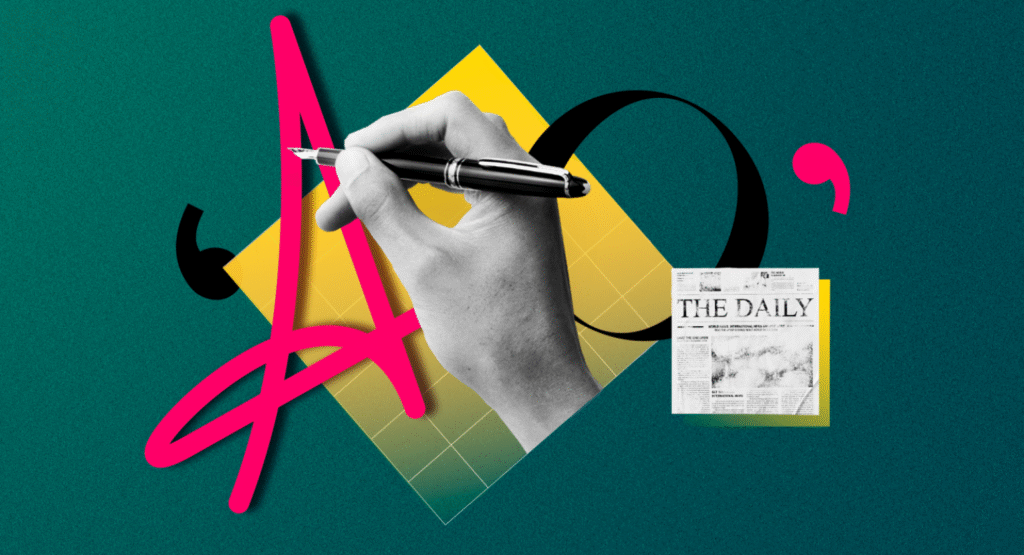
After discussing how to avoid it, it’s important to state that using a типографское клише is not always a design sin. There are situations where leaning into a well-known typographic trope is the most effective and intelligent choice. Clichés are, after all, a shared visual language. When used intentionally, they can be a powerful tool to communicate quickly and effectively with a specific audience, tapping into their expectations and creating an immediate sense of familiarity and trust.
The difference between a lazy designer and a smart one is intent. A lazy designer uses a cliché as a crutch because they don’t know what else to do. A smart designer uses a cliché as a strategic tool, understanding exactly what it communicates and why it’s the right choice for the project’s goals. It’s about controlling the cliché, not letting the cliché control you. In some cases, trying to be overly clever or unique can alienate an audience that is looking for the comfort and clarity of a familiar visual cue.
Designing for a Specific Audience Expectation
Sometimes, your audience expects to see a certain style, and defying that expectation can be counterproductive. If you’re designing a poster for a heavy metal concert, using a delicate script font would be confusing. The audience expects to see something that looks aggressive, dark, or ornate—a classic metal типографское клише. Meeting this expectation confirms to the viewer that they’ve understood the genre and message correctly. Similarly, a high-end wedding invitation that uses a clean, corporate font might feel cold and impersonal to its recipients. In these cases, the cliché serves as a vital signifier that helps the audience categorize and connect with the design instantly.
When Budget or Time is a Major Constraint
In the real world of design, projects are often constrained by tight deadlines and limited budgets. There may not be enough time or money to commission custom lettering or spend hours searching for the perfect, unique font. In these scenarios, a типографское клише can be a designer’s best friend. Using a reliable, well-known font pairing like Helvetica and Garamond is a quick and effective way to produce a clean, professional-looking design without reinventing the wheel. It’s a pragmatic choice that prioritizes getting the job done efficiently while still adhering to good design principles. The result may not win any avant-garde design awards, but it will be functional, legible, and professional.
The Future of the типографское клише
The landscape of design is always in motion, and so is the nature of the типографское клише. What feels fresh and innovative today may become the tired cliché of tomorrow. The rise of variable fonts, AI-powered design tools, and augmented reality will undoubtedly introduce new typographic trends and, consequently, new clichés. For example, kinetic typography (animated text) already has its own set of emerging tropes and patterns. As technology makes certain effects easier to produce, they will become more common and eventually risk becoming oversaturated.
However, the core principles will remain. The cycle of innovation, adoption, saturation, and cliché will continue. Designers will keep finding new ways to communicate, and the most successful of those methods will be copied until they become commonplace. The future of the типографское клише is simply the future of design trends. For creatives, the challenge will always be to stay aware of this cycle, to understand what is current, what is classic, and what has become a cliché. This awareness is what separates timeless design from fleeting fads and ensures that the work continues to communicate effectively, regardless of the tools and trends of the era. For a deeper dive into the history and theory, the topic of typography is extensively covered on platforms like Wikipedia, offering a rich resource for further learning.
Frequently Asked Questions (FAQ)
1. Is using a типографское клише always bad for branding?
Not at all. Using a типографское клише can be a strategic choice to align a brand with industry expectations and build immediate trust. For example, a bank using a traditional serif font benefits from the cliché’s association with stability and reliability. The key is to use it intentionally and pair it with other unique brand elements so the overall identity doesn’t feel generic.
2. How can I tell if a font I like is becoming a cliché?
Pay attention to the world around you. Start noticing the fonts used by major brands, in popular movies, and on trending websites and social media graphics. If you start seeing the same font everywhere, especially within a single industry, it’s likely on its way to becoming a типографское клише. Design trend reports and blogs can also help you stay ahead of the curve.
3. Are free fonts more likely to be clichés than paid fonts?
Generally, yes. Free fonts, especially those on large platforms like Google Fonts, are more accessible to a wider range of people, including professional designers, students, and hobbyists. This high level of accessibility and usage means they become oversaturated much faster than paid fonts from independent foundries, which have a smaller user base.
4. Can a design with no clichés feel too strange or alienating?
It’s possible. Design that is completely devoid of any familiar elements can sometimes feel jarring or difficult for an audience to connect with. Effective design often strikes a balance between novelty and familiarity. The goal is to be unique and memorable, but not so strange that the message becomes unclear or the audience feels excluded.
5. How do I justify using a типографское клише to a client who wants something “completely unique”?
Communication is key. Explain to the client that a типографское клише is like a shared language with their target audience. Using a certain style can instantly communicate a desired quality, like trustworthiness or creativity. Frame it as a strategic choice based on audience psychology and communication goals, not a lack of creativity. You can then suggest adding unique elements in other areas of the design, such as color, imagery, or layout, to create a final product that feels both familiar and fresh.
Related Posts

Stay Informed With the Latest & Most Important News
Previous Post
Next Post








Advertisement